

How do you evaluate the effectiveness of plant growth regulators?
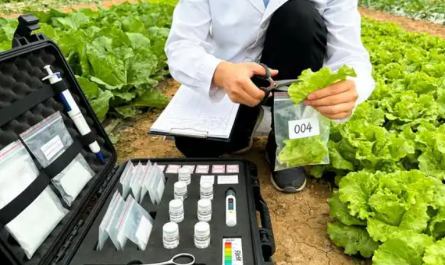
Evaluating the effectiveness of plant growth regulators requires a comprehensive assessment based on a "blank control" setup and multi-dimensional indicator monitoring. By considering the specific functions of the regulators, one should evaluate results across four key areas—visual morphology, physiological activity, yield and quality, and stress resistance—to avoid misjudgment based on a single indicator.
1. Fundamental Prerequisite: Establishing a Blank Control
Effectiveness must be determined by comparing treated plants against an untreated "blank control" group under identical conditions regarding water, fertilizer, light, and plant variety. By isolating the use of the regulator as the sole variable and eliminating interference from environmental differences, one can accurately distinguish the regulator's actual effects from the results of natural growth.
2. Evaluation Based on Visual Morphological Indicators
Key observation points vary significantly depending on the functional type of the regulator:
- Root-promoting types (e.g., NAA, IBA): Count the number of new roots, measure root length, and assess the proportion of fine roots 7–15 days after application. In scenarios such as large tree transplanting or cutting propagation, effectiveness is confirmed if the survival rate of the treated group is significantly higher than that of the control group.
- Growth-inhibiting/Control types (e.g., Paclobutrazol, Uniconazole):Regularly measure plant height and stem thickness after application. For crops like wheat and corn, effectiveness is confirmed if the treated group shows a 12%–20% reduction in height and a 0.3–0.5 mm increase in stem thickness compared to the control, alongside a noticeably darker green leaf color.
- Growth/Enlargement-promoting types (e.g., Gibberellins, Forchlorfenuron):Observe the rate of height increase, leaf area, and fruit dimensions (transverse and longitudinal diameters). Effectiveness is confirmed if, for instance, grape clusters lengthen by 5–8 cm after Gibberellin treatment, or if leafy vegetables show significantly greater height at harvest compared to the control.
- Flower and fruit retention types (e.g., Anti-drop agents, NAA):Track fruit set rates and the quantity of dropped flowers and fruit. Effectiveness is confirmed if the treated group achieves a fruit set rate more than 15% higher than the control and shows a marked reduction in young fruit abscission.

3. Assessment of Physiological Activity Indicators
Precisely verify the intrinsic effects of regulators through simple, practical physiological tests:
- Leaf chlorophyll content: Measured using a SPAD meter. Seven days after spraying with brassinosteroids, the chlorophyll levels in the treated group increased by 20%–25% compared to the control group, indicating significantly enhanced photosynthetic efficiency.
- Root activity: Determined using the TTC method. Crops treated with root-promoting agents showed a 30%–40% increase in root activity compared to the untreated group, signifying a marked improvement in nutrient absorption capacity.
- Leaf senescence rate: Observed in functional leaves. Treatment with cytokinin-type regulators delayed leaf yellowing and abscission by 3–5 days, demonstrating a significant anti-senescence effect.
4. Assessment of Yield and Quality Indicators
This represents the core dimension for verifying effectiveness in agricultural production:
- Yield dimension: Metrics include the number of productive spikes per unit area, single-fruit weight, and thousand-grain weight. For example, wheat treated with paclobutrazol showed an 8%–12% increase in yield per mu, and tomatoes treated with fruit-setting agents showed an 18% increase in fruit count per plant; these results indicate that yield-boosting targets were met.
- Quality dimension: For fruit crops, parameters such as soluble solids and Vitamin C content are measured. Grapes sprayed with appropriate regulators showed an increase in sugar content (Brix) of over 1.5 degrees, along with improvements of more than 15% in fruit uniformity and the rate of marketable fruit, demonstrating significant quality enhancement.
Note: If the use of a regulator results in hollow fruit, thickened skin, or an increased rate of deformity, it is considered a negative outcome—even if single-fruit weight increases—indicating improper application or a substandard product.
5. Assessment of Stress Resistance
Comparative observations under adverse conditions such as drought, low temperatures, and high temperatures:
- Low-temperature stress: Following cold damage, the proportion of wilted leaves and the severity of frost injury in the treated group were far lower than in the control group, and post-disaster recovery was faster, indicating effective cold resistance.
- Drought stress: Under drought conditions, leaves in the treated group exhibited superior water retention and delayed onset of wilting; the rate of leaf drop due to drought was significantly lower than in the untreated group, demonstrating effective drought-resistance regulation. 6. Determination of Ineffectiveness or Adverse Effects
The regulator's effect is deemed substandard or the application a failure if any of the following conditions occur:
- There is no significant difference in growth metrics between the treatment and control groups, indicating insufficient regulator activity, an excessively low dosage, or impaired absorption.
- Post-application symptoms such as leaf curling, yellowing, growth stagnation, or fruit deformity appear; these indicate phytotoxicity due to excessive concentration, completely running counter to the intended regulatory goal.
- Crop vigor appears robust initially but gives way to premature senescence, increased flower and fruit drop, and a decrease rather than an increase in yield in the later stages; this indicates that the regulator has disrupted the balance of endogenous hormones, resulting in an overall negative outcome.
1. Fundamental Prerequisite: Establishing a Blank Control
Effectiveness must be determined by comparing treated plants against an untreated "blank control" group under identical conditions regarding water, fertilizer, light, and plant variety. By isolating the use of the regulator as the sole variable and eliminating interference from environmental differences, one can accurately distinguish the regulator's actual effects from the results of natural growth.
2. Evaluation Based on Visual Morphological Indicators
Key observation points vary significantly depending on the functional type of the regulator:
- Root-promoting types (e.g., NAA, IBA): Count the number of new roots, measure root length, and assess the proportion of fine roots 7–15 days after application. In scenarios such as large tree transplanting or cutting propagation, effectiveness is confirmed if the survival rate of the treated group is significantly higher than that of the control group.
- Growth-inhibiting/Control types (e.g., Paclobutrazol, Uniconazole):Regularly measure plant height and stem thickness after application. For crops like wheat and corn, effectiveness is confirmed if the treated group shows a 12%–20% reduction in height and a 0.3–0.5 mm increase in stem thickness compared to the control, alongside a noticeably darker green leaf color.
- Growth/Enlargement-promoting types (e.g., Gibberellins, Forchlorfenuron):Observe the rate of height increase, leaf area, and fruit dimensions (transverse and longitudinal diameters). Effectiveness is confirmed if, for instance, grape clusters lengthen by 5–8 cm after Gibberellin treatment, or if leafy vegetables show significantly greater height at harvest compared to the control.
- Flower and fruit retention types (e.g., Anti-drop agents, NAA):Track fruit set rates and the quantity of dropped flowers and fruit. Effectiveness is confirmed if the treated group achieves a fruit set rate more than 15% higher than the control and shows a marked reduction in young fruit abscission.
3. Assessment of Physiological Activity Indicators
Precisely verify the intrinsic effects of regulators through simple, practical physiological tests:
- Leaf chlorophyll content: Measured using a SPAD meter. Seven days after spraying with brassinosteroids, the chlorophyll levels in the treated group increased by 20%–25% compared to the control group, indicating significantly enhanced photosynthetic efficiency.
- Root activity: Determined using the TTC method. Crops treated with root-promoting agents showed a 30%–40% increase in root activity compared to the untreated group, signifying a marked improvement in nutrient absorption capacity.
- Leaf senescence rate: Observed in functional leaves. Treatment with cytokinin-type regulators delayed leaf yellowing and abscission by 3–5 days, demonstrating a significant anti-senescence effect.
4. Assessment of Yield and Quality Indicators
This represents the core dimension for verifying effectiveness in agricultural production:
- Yield dimension: Metrics include the number of productive spikes per unit area, single-fruit weight, and thousand-grain weight. For example, wheat treated with paclobutrazol showed an 8%–12% increase in yield per mu, and tomatoes treated with fruit-setting agents showed an 18% increase in fruit count per plant; these results indicate that yield-boosting targets were met.
- Quality dimension: For fruit crops, parameters such as soluble solids and Vitamin C content are measured. Grapes sprayed with appropriate regulators showed an increase in sugar content (Brix) of over 1.5 degrees, along with improvements of more than 15% in fruit uniformity and the rate of marketable fruit, demonstrating significant quality enhancement.
Note: If the use of a regulator results in hollow fruit, thickened skin, or an increased rate of deformity, it is considered a negative outcome—even if single-fruit weight increases—indicating improper application or a substandard product.
5. Assessment of Stress Resistance
Comparative observations under adverse conditions such as drought, low temperatures, and high temperatures:
- Low-temperature stress: Following cold damage, the proportion of wilted leaves and the severity of frost injury in the treated group were far lower than in the control group, and post-disaster recovery was faster, indicating effective cold resistance.
- Drought stress: Under drought conditions, leaves in the treated group exhibited superior water retention and delayed onset of wilting; the rate of leaf drop due to drought was significantly lower than in the untreated group, demonstrating effective drought-resistance regulation. 6. Determination of Ineffectiveness or Adverse Effects
The regulator's effect is deemed substandard or the application a failure if any of the following conditions occur:
- There is no significant difference in growth metrics between the treatment and control groups, indicating insufficient regulator activity, an excessively low dosage, or impaired absorption.
- Post-application symptoms such as leaf curling, yellowing, growth stagnation, or fruit deformity appear; these indicate phytotoxicity due to excessive concentration, completely running counter to the intended regulatory goal.
- Crop vigor appears robust initially but gives way to premature senescence, increased flower and fruit drop, and a decrease rather than an increase in yield in the later stages; this indicates that the regulator has disrupted the balance of endogenous hormones, resulting in an overall negative outcome.
RECENT POSTS
-
What is the purpose of COA (Certificate of Analysis) verification for plant growth regulators?
-
How do you evaluate the effectiveness of plant growth regulators?
-
Preparation and Application Protocol for Gibberellic Acid GA3 90% TC to Break Dormancy and Promote Rooting and Germination
-
Precise Dilution and Application Guidelines for Diethyl Aminoethyl Hexanoate DA-6 98% TC
Featured News