

Preparation and Application Protocol for Gibberellic Acid GA3 90% TC to Break Dormancy and Promote Rooting and Germination
Gibberellic Acid 90% TC is highly active; it must be dissolved and diluted precisely according to specifications to safely and effectively break seed dormancy and promote rooting and germination, while avoiding issues such as leggy growth or phytotoxicity.
Precise Preparation of Gibberellic Acid 90% TC
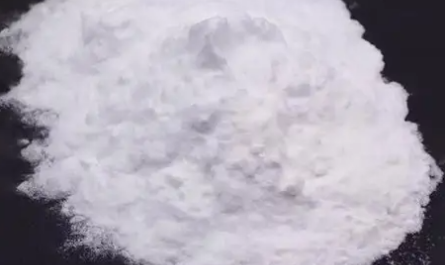
Stock Solution Dissolution:Gibberellic Acid 90% TC is virtually insoluble in cold water. The technical-grade product must first be added to 3–5 ml of 75% alcohol or high-proof spirits (over 60% ABV) and stirred thoroughly until completely dissolved into a clear stock solution. Do not pour it directly into water, as this leads to incomplete dissolution and uneven efficacy.
Precise Concentration Calculation:
General formula: Amount of technical-grade product (g) = (Target concentration in ppm × Water volume in L) ÷ (0.9 × 1000). For example, to prepare 10 liters of a 50 ppm solution, only about 0.55 g of Gibberellic Acid 90% TC is required; mixing 1 g of the product with 18 kg of water yields a standard 50 ppm solution.
Prepare and Use Immediately:
The activity of Gibberellic Acid aqueous solutions drops by more than 30% after 24 hours at room temperature. The solution must be prepared and used on the same day; any solution left overnight loses its efficacy completely. The water temperature during preparation must not exceed 50°C, as high temperatures directly destroy the product's activity. Tailored Protocols for Breaking Dormancy and Sprouting Across Crops
Seed Potatoes
Target Concentration: 0.5–1 ppm for whole tubers; 5–10 ppm for cut pieces
Application Method: Soak for 10–15 minutes, remove and air-dry, then proceed to sprout
Key Benefits: Breaks deep dormancy within 7 days; emergence occurs 7–10 days earlier than natural sprouting; germination rate exceeds 90%
Rice/Wheat Seeds
Target Concentration: 50–100 ppm
Application Method: Soak seeds for 6–12 hours (stirring twice during this period); air-dry in the shade before sowing
Key Benefits: Rapid germination even in low-temperature early spring conditions; germination rate increases by over 20%; significantly improved uniformity of seedling emergence
Cucumber/Tomato/Watermelon Seeds
Target Concentration: 10–15 ppm
Application Method: Soak seeds for 4–6 hours; wrap in moist gauze and incubate at 22°C for sprouting
Key Benefits: Uniform radicle emergence ("white tip") within 3 days; significant restoration of vigor in aged seeds; germination is 2–3 days faster than soaking in plain water
Garlic Cloves
Target Concentration: 100–150 ppm
Application Method: Soak for 5–6 hours; air-dry before planting
Key Benefits: Completely breaks physiological dormancy; emergence occurs 7 days earlier; germination rate consistently exceeds 90%
Stratified Peach/Cherry Seeds
Target Concentration: 500–1000 ppm
Application Method: Soak for 24 hours; replaces the need for low-temperature stratification treatment
Key Benefits: Bypasses the physiological after-ripening stage for direct germination; germination rate increases by over 30%
Key Operational Tips for Enhanced Efficacy
After soaking seeds in Gibberellic Acid, air-dry them in a cool, ventilated area for 2 hours before sowing. Strictly avoid exposure to intense sunlight, as UV rays can degrade the activity of Gibberellic Acid and compromise its dormancy-breaking effect.
Maintaining a constant sprouting environment of 18–22°C and approximately 80% humidity maximizes the dormancy-breaking efficacy of Gibberellic Acid, resulting in rapid and uniform sprouting. Soaking seeds in a mixture of Gibberellic Acid and a 0.2% potassium dihydrogen phosphate solution not only breaks dormancy but also supplies the embryo with readily available phosphorus and potassium, preventing the weak, spindly seedling growth often caused by using Gibberellic Acid alone.
When applying via foliar spray, choose a sunny day and spray before 10:00 AM or after 4:00 PM. If it rains within four hours of application, re-spray to ensure the treatment is not washed away.
Key Reminders
-Do not mix with strongly alkaline pesticides or fertilizers—such as Bordeaux mixture, lime sulfur, or plant ash extract—as Gibberellic Acid decomposes rapidly and loses all effectiveness in alkaline environments.
-Keep concentrations low; excessive concentration causes leggy, weak seedlings (resembling "bean sprouts") that are prone to lodging later on, or even leads to albino or deformed seedlings.
-Gibberellic Acid cannot replace fertilizer; it must be used in conjunction with adequate soil base fertilization. Its role is solely to break seed dormancy; it does not provide the nutrients required for crop growth.
-Do not use on fields intended for seed production; Gibberellic Acid can cause seed sterility and significantly reduce the vigor of the next generation, rendering the seeds unsuitable for future planting.
-For first-time use, conduct a small-scale trial to verify the safety of the concentration before applying it on a larger scale, thereby avoiding potential phytotoxicity caused by variations in crop variety sensitivity.
Precise Preparation of Gibberellic Acid 90% TC
Stock Solution Dissolution:Gibberellic Acid 90% TC is virtually insoluble in cold water. The technical-grade product must first be added to 3–5 ml of 75% alcohol or high-proof spirits (over 60% ABV) and stirred thoroughly until completely dissolved into a clear stock solution. Do not pour it directly into water, as this leads to incomplete dissolution and uneven efficacy.
Precise Concentration Calculation:
General formula: Amount of technical-grade product (g) = (Target concentration in ppm × Water volume in L) ÷ (0.9 × 1000). For example, to prepare 10 liters of a 50 ppm solution, only about 0.55 g of Gibberellic Acid 90% TC is required; mixing 1 g of the product with 18 kg of water yields a standard 50 ppm solution.
Prepare and Use Immediately:
The activity of Gibberellic Acid aqueous solutions drops by more than 30% after 24 hours at room temperature. The solution must be prepared and used on the same day; any solution left overnight loses its efficacy completely. The water temperature during preparation must not exceed 50°C, as high temperatures directly destroy the product's activity. Tailored Protocols for Breaking Dormancy and Sprouting Across Crops
Seed Potatoes
Target Concentration: 0.5–1 ppm for whole tubers; 5–10 ppm for cut pieces
Application Method: Soak for 10–15 minutes, remove and air-dry, then proceed to sprout
Key Benefits: Breaks deep dormancy within 7 days; emergence occurs 7–10 days earlier than natural sprouting; germination rate exceeds 90%
Rice/Wheat Seeds
Target Concentration: 50–100 ppm
Application Method: Soak seeds for 6–12 hours (stirring twice during this period); air-dry in the shade before sowing
Key Benefits: Rapid germination even in low-temperature early spring conditions; germination rate increases by over 20%; significantly improved uniformity of seedling emergence
Cucumber/Tomato/Watermelon Seeds
Target Concentration: 10–15 ppm
Application Method: Soak seeds for 4–6 hours; wrap in moist gauze and incubate at 22°C for sprouting
Key Benefits: Uniform radicle emergence ("white tip") within 3 days; significant restoration of vigor in aged seeds; germination is 2–3 days faster than soaking in plain water
Garlic Cloves
Target Concentration: 100–150 ppm
Application Method: Soak for 5–6 hours; air-dry before planting
Key Benefits: Completely breaks physiological dormancy; emergence occurs 7 days earlier; germination rate consistently exceeds 90%
Stratified Peach/Cherry Seeds
Target Concentration: 500–1000 ppm
Application Method: Soak for 24 hours; replaces the need for low-temperature stratification treatment
Key Benefits: Bypasses the physiological after-ripening stage for direct germination; germination rate increases by over 30%
Key Operational Tips for Enhanced Efficacy
After soaking seeds in Gibberellic Acid, air-dry them in a cool, ventilated area for 2 hours before sowing. Strictly avoid exposure to intense sunlight, as UV rays can degrade the activity of Gibberellic Acid and compromise its dormancy-breaking effect.
Maintaining a constant sprouting environment of 18–22°C and approximately 80% humidity maximizes the dormancy-breaking efficacy of Gibberellic Acid, resulting in rapid and uniform sprouting. Soaking seeds in a mixture of Gibberellic Acid and a 0.2% potassium dihydrogen phosphate solution not only breaks dormancy but also supplies the embryo with readily available phosphorus and potassium, preventing the weak, spindly seedling growth often caused by using Gibberellic Acid alone.
When applying via foliar spray, choose a sunny day and spray before 10:00 AM or after 4:00 PM. If it rains within four hours of application, re-spray to ensure the treatment is not washed away.
Key Reminders
-Do not mix with strongly alkaline pesticides or fertilizers—such as Bordeaux mixture, lime sulfur, or plant ash extract—as Gibberellic Acid decomposes rapidly and loses all effectiveness in alkaline environments.
-Keep concentrations low; excessive concentration causes leggy, weak seedlings (resembling "bean sprouts") that are prone to lodging later on, or even leads to albino or deformed seedlings.
-Gibberellic Acid cannot replace fertilizer; it must be used in conjunction with adequate soil base fertilization. Its role is solely to break seed dormancy; it does not provide the nutrients required for crop growth.
-Do not use on fields intended for seed production; Gibberellic Acid can cause seed sterility and significantly reduce the vigor of the next generation, rendering the seeds unsuitable for future planting.
-For first-time use, conduct a small-scale trial to verify the safety of the concentration before applying it on a larger scale, thereby avoiding potential phytotoxicity caused by variations in crop variety sensitivity.
RECENT POSTS
-
Preparation and Application Protocol for Gibberellic Acid GA3 90% TC to Break Dormancy and Promote Rooting and Germination
-
Precise Dilution and Application Guidelines for Diethyl Aminoethyl Hexanoate DA-6 98% TC
-
Which plant growth regulators are most effective for cuttings?
-
Precise Ratios and Operational Details for Rooting Regulators During Seedling Stages
Featured News