

Precise Ratios and Operational Details for Rooting Regulators During Seedling Stages
To effectively promote rooting, produce robust seedlings, and ensure high survival rates, rooting regulators used during the seedling stage must be precisely formulated based on crop type and propagation method, while adhering to standardized operational procedures.
I. Universal Basic Combination Formula
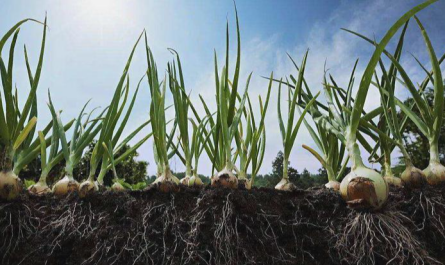
Optimal Combination Ratio: Indole-3-butyric acid (IBA) and Naphthaleneacetic acid (NAA) combined at a 2:1 ratio and diluted 1,500-fold with water; suitable for the vast majority of vegetable, flower, and fruit tree seedling scenarios.
Performance: Abundant white roots emerge within 3–5 days; stunted or weak seedlings rapidly regain vigor. This is the safest and most versatile formula for the seedling stage.
II. Precise Ratios Tailored to Specific Crops
Field Vegetable Seedlings
Ratio: 1g IBA per 15kg water (1,500-fold dilution) and 1g NAA per 20kg water (2,000-fold dilution); use either individually or in combination.
Operational Details: Apply via root drenching or foliar spray during the seedling stage; total dosage is 15–20g per mu. Strictly avoid NAA concentrations stronger than 1,000-fold dilution to prevent root or seedling burn.
Fruit Tree/Mature Seedlings
Ratio: 1g IBA per 12kg water (1,200-fold dilution) combined with NAA at a 2,000-fold dilution.
Operational Details: Dip roots before planting and apply "settling-in water" (initial irrigation) after planting; total dosage is 25–30g per mu. Significantly accelerates recovery for seedlings with a high degree of lignification.
Cutting Propagation
Ratio:1g IBA per 5kg water; can be combined with Sodium Nitrophenolate and Sodium Naphthaleneacetate (at a 1:3 ratio) and diluted 2,000–3,000-fold for use.
Operational Details: Soak the base of the cuttings for 20 minutes; rooting rates can double, with visible signs of rooting appearing within 2–3 days. **Scenario: Rescuing Weak or Stunted Seedlings
Mixing Ratio: 10g of 1.8% Sodium Nitrophenolate + 30g of Potassium Fulvate; dilute in 15–20 catties (30–40 jin) of water for root drenching.
Application Details:Apply after transplanting and the recovery period; weak or yellowing seedlings will resume vigorous growth within 3–5 days. There is no risk of phytotoxicity throughout the process.
III. Key Operational Details and Precautions
Prioritize Root Drenching: Direct contact between the solution and the root system ensures maximum absorption efficiency; foliar spraying alone cannot achieve the best root-promoting results.
Timing: Apply after transplanting and recovery, when seedlings are weak or stunted, or during low temperatures when root absorption is poor. It can also be safely used after fruit setting to nourish roots and prevent premature senescence.
Strictly Avoid Arbitrary Dosage Increases:Follow the mixing ratio precisely; excessive concentration inhibits root growth and may even cause chemical burn or rot at the base of the stem.
Fertilizer Supplementation: For extremely weak seedlings, a small amount (10–20g) of balanced N-P-K water-soluble fertilizer may be added to combine root promotion with nutrient supplementation, while avoiding fertilizer burn caused by excessive concentration.
I. Universal Basic Combination Formula
Optimal Combination Ratio: Indole-3-butyric acid (IBA) and Naphthaleneacetic acid (NAA) combined at a 2:1 ratio and diluted 1,500-fold with water; suitable for the vast majority of vegetable, flower, and fruit tree seedling scenarios.
Performance: Abundant white roots emerge within 3–5 days; stunted or weak seedlings rapidly regain vigor. This is the safest and most versatile formula for the seedling stage.
II. Precise Ratios Tailored to Specific Crops
Field Vegetable Seedlings
Ratio: 1g IBA per 15kg water (1,500-fold dilution) and 1g NAA per 20kg water (2,000-fold dilution); use either individually or in combination.
Operational Details: Apply via root drenching or foliar spray during the seedling stage; total dosage is 15–20g per mu. Strictly avoid NAA concentrations stronger than 1,000-fold dilution to prevent root or seedling burn.
Fruit Tree/Mature Seedlings
Ratio: 1g IBA per 12kg water (1,200-fold dilution) combined with NAA at a 2,000-fold dilution.
Operational Details: Dip roots before planting and apply "settling-in water" (initial irrigation) after planting; total dosage is 25–30g per mu. Significantly accelerates recovery for seedlings with a high degree of lignification.
Cutting Propagation
Ratio:1g IBA per 5kg water; can be combined with Sodium Nitrophenolate and Sodium Naphthaleneacetate (at a 1:3 ratio) and diluted 2,000–3,000-fold for use.
Operational Details: Soak the base of the cuttings for 20 minutes; rooting rates can double, with visible signs of rooting appearing within 2–3 days. **Scenario: Rescuing Weak or Stunted Seedlings
Mixing Ratio: 10g of 1.8% Sodium Nitrophenolate + 30g of Potassium Fulvate; dilute in 15–20 catties (30–40 jin) of water for root drenching.
Application Details:Apply after transplanting and the recovery period; weak or yellowing seedlings will resume vigorous growth within 3–5 days. There is no risk of phytotoxicity throughout the process.
III. Key Operational Details and Precautions
Prioritize Root Drenching: Direct contact between the solution and the root system ensures maximum absorption efficiency; foliar spraying alone cannot achieve the best root-promoting results.
Timing: Apply after transplanting and recovery, when seedlings are weak or stunted, or during low temperatures when root absorption is poor. It can also be safely used after fruit setting to nourish roots and prevent premature senescence.
Strictly Avoid Arbitrary Dosage Increases:Follow the mixing ratio precisely; excessive concentration inhibits root growth and may even cause chemical burn or rot at the base of the stem.
Fertilizer Supplementation: For extremely weak seedlings, a small amount (10–20g) of balanced N-P-K water-soluble fertilizer may be added to combine root promotion with nutrient supplementation, while avoiding fertilizer burn caused by excessive concentration.
RECENT POSTS
-
How do you choose the right plant growth regulator?
-
Which safe and residue-free plant growth regulators meet the requirements of green and organic agricultural production?
-
What is the purpose of COA (Certificate of Analysis) verification for plant growth regulators?
-
How do you evaluate the effectiveness of plant growth regulators?
Featured News