

Which plant growth regulators are most effective for cuttings?
For propagation via cuttings, three types of auxin-based growth regulators—Indole-3-acetic acid (IAA), Indole-3-butyric acid (IBA), and Naphthaleneacetic acid (NAA)—offer the most outstanding overall rooting performance. They are recognized as the core agents in commercial propagation, with the optimal choice depending on the specific scenario.
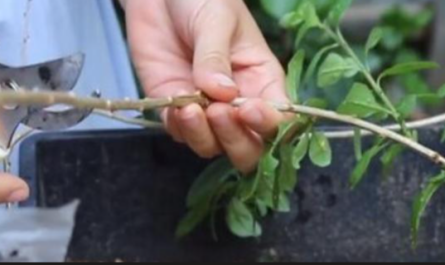
I. Core regulators with the best overall performance
Indole-3-acetic acid (IAA): A natural, endogenous rooting substance with a high safety profile. It directly induces the formation of adventitious roots at the base of the cutting without leaving harmful residues, making it suitable for softwood cuttings of various herbaceous and woody plants.
Indole-3-butyric acid (IBA): Offers stable and long-lasting rooting effects, producing a more robust and well-developed root system. It is currently the most widely used mainstream rooting regulator, suitable for both hardwood and softwood cuttings across the vast majority of plant species.
Naphthaleneacetic acid (NAA): Rapidly promotes callus formation at the base of the cutting. When combined with IBA in scientifically determined ratios, it yields rooting results far superior to using either agent alone, significantly boosting the survival rate of hard-to-root plants.
II. Optimal choices for different scenarios
Common, easy-to-root plants (e.g., roses, willows, hydrangeas): NAA is sufficient; it is cost-effective and simple to use, with standard root-dipping treatments achieving survival rates of over 75%.
Plants with moderate rooting difficulty (e.g., grapes, most fruit tree cuttings): Prioritize IBA for more stable rooting results; it produces a greater number of vigorous roots and allows for faster recovery after transplanting.
Hard-to-root, high-value woody plants: Use a combination of IBA and NAA; their synergistic effect significantly increases the likelihood of successful propagation for cuttings that are otherwise difficult to root.
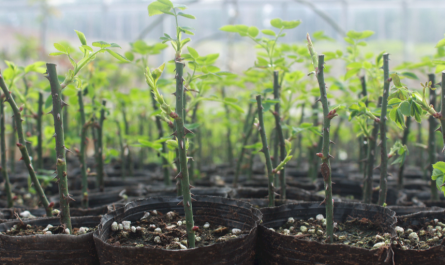
III. Key precautions for use
Strictly control the concentration of the solution; excessive concentration can burn the base of the cutting, leading to rot and rooting failure.
Treat only the basal 2–3 cm of the cutting (the rooting zone); prevent the solution from coming into contact with upper leaves or tender buds to avoid chemical injury or wilting. Growth regulators cannot replace basic cutting management; proper control of temperature and humidity after application is essential to ensure the cuttings successfully take root and develop into seedlings.
I. Core regulators with the best overall performance
Indole-3-acetic acid (IAA): A natural, endogenous rooting substance with a high safety profile. It directly induces the formation of adventitious roots at the base of the cutting without leaving harmful residues, making it suitable for softwood cuttings of various herbaceous and woody plants.
Indole-3-butyric acid (IBA): Offers stable and long-lasting rooting effects, producing a more robust and well-developed root system. It is currently the most widely used mainstream rooting regulator, suitable for both hardwood and softwood cuttings across the vast majority of plant species.
Naphthaleneacetic acid (NAA): Rapidly promotes callus formation at the base of the cutting. When combined with IBA in scientifically determined ratios, it yields rooting results far superior to using either agent alone, significantly boosting the survival rate of hard-to-root plants.
II. Optimal choices for different scenarios
Common, easy-to-root plants (e.g., roses, willows, hydrangeas): NAA is sufficient; it is cost-effective and simple to use, with standard root-dipping treatments achieving survival rates of over 75%.
Plants with moderate rooting difficulty (e.g., grapes, most fruit tree cuttings): Prioritize IBA for more stable rooting results; it produces a greater number of vigorous roots and allows for faster recovery after transplanting.
Hard-to-root, high-value woody plants: Use a combination of IBA and NAA; their synergistic effect significantly increases the likelihood of successful propagation for cuttings that are otherwise difficult to root.
III. Key precautions for use
Strictly control the concentration of the solution; excessive concentration can burn the base of the cutting, leading to rot and rooting failure.
Treat only the basal 2–3 cm of the cutting (the rooting zone); prevent the solution from coming into contact with upper leaves or tender buds to avoid chemical injury or wilting. Growth regulators cannot replace basic cutting management; proper control of temperature and humidity after application is essential to ensure the cuttings successfully take root and develop into seedlings.
RECENT POSTS
-
How do you choose the right plant growth regulator?
-
Which safe and residue-free plant growth regulators meet the requirements of green and organic agricultural production?
-
What is the purpose of COA (Certificate of Analysis) verification for plant growth regulators?
-
How do you evaluate the effectiveness of plant growth regulators?
Featured News