

Pros and Cons of Compound Sodium Nitrophenolates Atonik
Compound Sodium Nitrophenolates are known for their rapid action, significant results, and ease of use. However, they can only be formulated or mixed with neutral or alkaline regulators or fertilizers.
Compound Sodium Nitrophenolates are among the most common and widely used plant growth regulators on the market. Here, Pinsoa & Aowei briefly discuss the pros and cons of using Compound Sodium Nitrophenolates on crops:
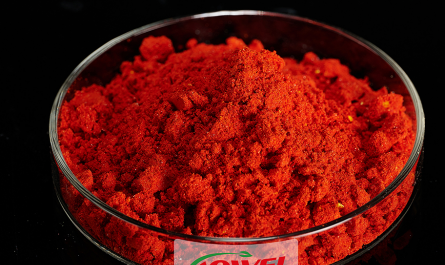
Compound Sodium Nitrophenolates offer rapid action, significant results, and ease of use.
1. Broad-spectrum: Suitable for all types of crops and fertilizers (foliar fertilizers, compound fertilizers, fertigation fertilizers, basal fertilizers, etc.) and applicable at any stage of growth.
2. Convenience: Can be added to any fertilizer without complex production processes. Whether used in foliar sprays, fertigation, solid or liquid fertilizers, or fungicides, the results are equally remarkable provided the product is mixed evenly.
3. Low dosage (per *mu*):
(1) Foliar spray: 0.2 g; (2) Fertigation: 8.0 g; (3) Compound fertilizer (basal or top-dressing): 6.0 g.
4. High purity: Active ingredient content reaches up to 98%; free from harmful impurities and safe to use.
5. Broad efficacy: No need to add other similar synergists when using Sodium Nitrophenolates.
6. Rapid action: Effects are visible within 24 hours at temperatures above 30°C, and within 48 hours at temperatures above 25°C.
Disadvantages of Sodium Nitrophenolates:
1. Temperature sensitivity: Efficacy is reduced at low temperatures; the duration of the effect is 7–14 days.
2. Alkalinity: As an alkaline regulator, it has formulation limitations and can only be mixed with neutral or alkaline regulators or fertilizers.
3. Risk of phytotoxicity: Excessive dosage can easily cause phytotoxicity in certain sensitive crops.
Compound Sodium Nitrophenolates are among the most common and widely used plant growth regulators on the market. Here, Pinsoa & Aowei briefly discuss the pros and cons of using Compound Sodium Nitrophenolates on crops:
Compound Sodium Nitrophenolates offer rapid action, significant results, and ease of use.
1. Broad-spectrum: Suitable for all types of crops and fertilizers (foliar fertilizers, compound fertilizers, fertigation fertilizers, basal fertilizers, etc.) and applicable at any stage of growth.
2. Convenience: Can be added to any fertilizer without complex production processes. Whether used in foliar sprays, fertigation, solid or liquid fertilizers, or fungicides, the results are equally remarkable provided the product is mixed evenly.
3. Low dosage (per *mu*):
(1) Foliar spray: 0.2 g; (2) Fertigation: 8.0 g; (3) Compound fertilizer (basal or top-dressing): 6.0 g.
4. High purity: Active ingredient content reaches up to 98%; free from harmful impurities and safe to use.
5. Broad efficacy: No need to add other similar synergists when using Sodium Nitrophenolates.
6. Rapid action: Effects are visible within 24 hours at temperatures above 30°C, and within 48 hours at temperatures above 25°C.
Disadvantages of Sodium Nitrophenolates:
1. Temperature sensitivity: Efficacy is reduced at low temperatures; the duration of the effect is 7–14 days.
2. Alkalinity: As an alkaline regulator, it has formulation limitations and can only be mixed with neutral or alkaline regulators or fertilizers.
3. Risk of phytotoxicity: Excessive dosage can easily cause phytotoxicity in certain sensitive crops.
RECENT POSTS
-
How do you choose the right plant growth regulator?
-
Which safe and residue-free plant growth regulators meet the requirements of green and organic agricultural production?
-
What is the purpose of COA (Certificate of Analysis) verification for plant growth regulators?
-
How do you evaluate the effectiveness of plant growth regulators?
Featured News