

Technical Grade vs. Formulated Plant Growth Regulators: What Is the Difference?
When purchasing plant growth regulators (PGRs), buyers may encounter terms such as Technical Grade, Technical Material, Technical Concentrate and Formulated Product. Although these products may contain the same active ingredient, they differ in composition, processing, physical form and intended use.
Understanding these differences is important for importers, agricultural chemical distributors and formulation manufacturers. Choosing the right product type can help buyers match their purchasing decisions with their production capabilities, market requirements and business needs.
In this guide, we explain the differences between technical grade and formulated plant growth regulators, introduce common formulation types, and outline the quality and documentation points buyers should consider before placing an order.
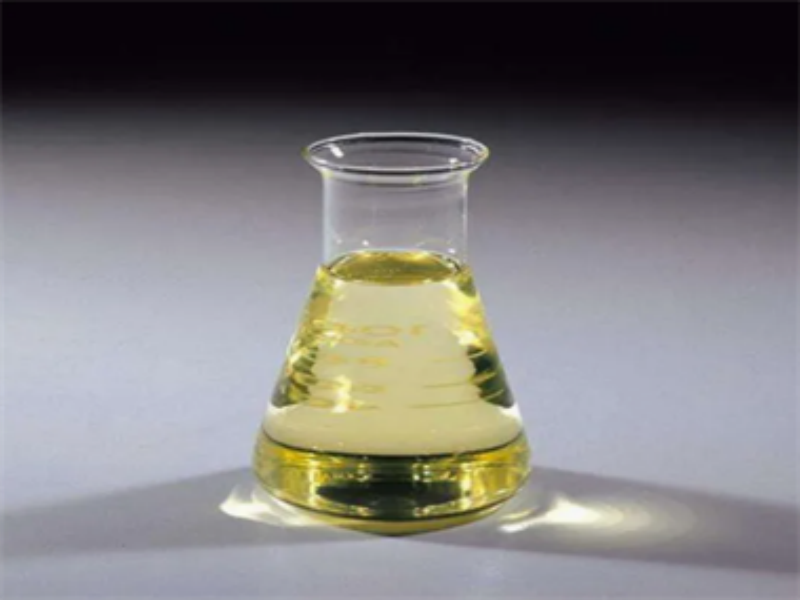
In international pesticide specifications, the term Technical Material (TC) is commonly used for this type of material. A related term, Technical Concentrate (TK), refers to a technical material that also contains a diluent and may contain a stabilizer.
Technical materials are generally supplied as raw materials for further processing or formulation rather than as finished agricultural products.
Important: Technical grade does not automatically mean 100% pure active ingredient. Buyers should check the declared content, impurity profile and product specification rather than relying on the product name alone.
These additional ingredients, often called formulants, are selected to provide the physical and chemical properties required for a particular product. Depending on the formulation, they may include:
These formulation types have different physical properties. For example, SL and SP products are designed to form solutions, while WP and WDG products generally form suspensions rather than true solutions.
Not every active ingredient can be made into every formulation type. The selection depends on its physical and chemical characteristics, formulation technology, product stability and applicable regulatory requirements.
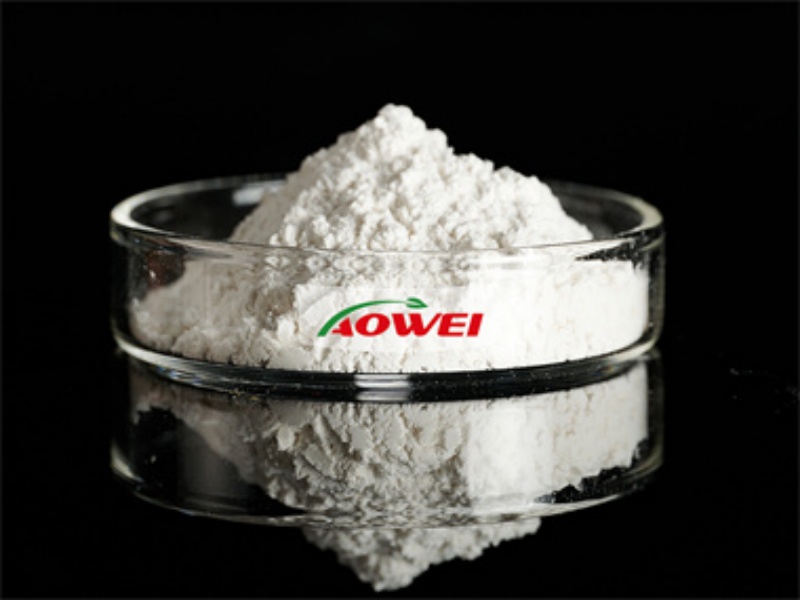
The following table summarizes their main differences:
One important point is that a formulated product is not necessarily a ready-to-use agricultural product. Some formulations are concentrates that require dilution or further processing. Others may be registered and labeled for specific agricultural uses.
Buyers should therefore check the product label, instructions for use and registration status in the destination market before making purchasing or application decisions.
Technical grade materials should not be assumed to be suitable for direct agricultural application. Their intended use and applicable regulatory requirements must be verified.
There is no universal answer as to which type is better. The right choice depends on the buyer's production capabilities, target customers and local regulatory requirements.
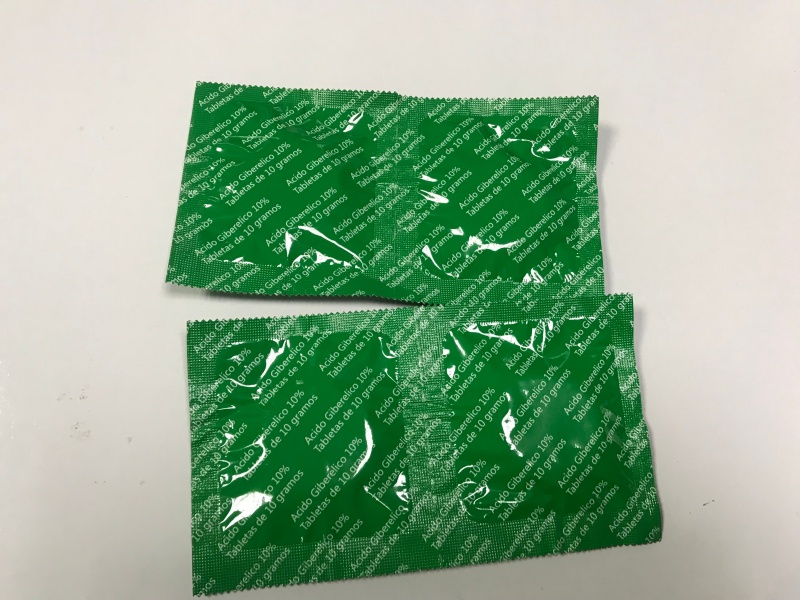
However, the inspection items for these two product types are not exactly the same.
The availability of these documents depends on the product, supplier and batch. Buyers should also confirm whether a test report is issued by the manufacturer or an independent third-party laboratory.
For more information, read our related guide: Plant Growth Regulator Quality Testing: Understanding COA, SDS and Product Documentation.
We support buyers in identifying suitable plant growth regulator products according to their purchasing requirements and target markets.
Depending on the product, buyers can discuss technical material or formulated product options with our team.
Please share your target active ingredient, required concentration, formulation type, packaging specifications and destination market. Our team will help you check suitable sourcing options and available product documentation.
admin@agriplantgrowth.com
whatsapp:+86 153 2484 0068
Understanding these differences is important for importers, agricultural chemical distributors and formulation manufacturers. Choosing the right product type can help buyers match their purchasing decisions with their production capabilities, market requirements and business needs.
In this guide, we explain the differences between technical grade and formulated plant growth regulators, introduce common formulation types, and outline the quality and documentation points buyers should consider before placing an order.
1. What Is Technical Grade Plant Growth Regulator?
Technical grade plant growth regulators are materials obtained through a manufacturing process and contain the target active ingredient together with associated manufacturing impurities. Depending on the product and manufacturing process, small amounts of necessary additives may also be present.In international pesticide specifications, the term Technical Material (TC) is commonly used for this type of material. A related term, Technical Concentrate (TK), refers to a technical material that also contains a diluent and may contain a stabilizer.
Technical materials are generally supplied as raw materials for further processing or formulation rather than as finished agricultural products.
Key Characteristics of Technical Grade PGRs
- Higher active ingredient concentration: Technical materials are generally more concentrated than many formulated products, although the actual content varies by active ingredient and specification.
- Raw material status: They are commonly used by manufacturers and formulators as inputs for further production.
- Specific quality requirements: Active ingredient content, relevant impurities and other product-specific parameters need to meet the agreed specifications.
- Different physical forms: Depending on the chemical properties of the active ingredient, technical materials may be supplied as powders, crystals or liquids.
Examples of PGR Active Ingredients
Common plant growth regulator active ingredients that buyers may encounter in technical material or formulated product sourcing include:- Gibberellic Acid (GA3)
- Brassinolide
- 6-Benzylaminopurine (6-BA)
- Diethyl Aminoethyl Hexanoate (DA-6)
Important: Technical grade does not automatically mean 100% pure active ingredient. Buyers should check the declared content, impurity profile and product specification rather than relying on the product name alone.
2. What Is a Formulated Plant Growth Regulator?
A formulated plant growth regulator is a product made by combining an active ingredient with selected formulation ingredients through a controlled formulation process.These additional ingredients, often called formulants, are selected to provide the physical and chemical properties required for a particular product. Depending on the formulation, they may include:
- Solvents: Help dissolve or carry the active ingredient.
- Carriers: Provide a suitable medium for the active ingredient.
- Wetting agents: Help the product spread and interact with water or treated surfaces.
- Dispersants: Help distribute solid particles throughout a liquid.
- Stabilizers: Help maintain product quality during storage.
- Other additives: Support specific formulation properties.
Common Formulation Types of Plant Growth Regulators
Different active ingredients may be developed into different formulation types depending on their solubility, stability, intended application and market requirements.| Code | Full Name | General Description |
| SL | Soluble Concentrate | A liquid concentrate that forms a solution after dilution in water |
| SP | Water-Soluble Powder | A powder designed to dissolve in water |
| WP | Wettable Powder | A powder that forms a suspension when mixed with water |
| WDG | Water-Dispersible Granules | Granules that disperse in water to form a suspension |
| SC | Suspension Concentrate | A liquid formulation containing finely dispersed solid particles |
| EC | Emulsifiable Concentrate | A liquid concentrate that forms an emulsion after dilution in water |
Not every active ingredient can be made into every formulation type. The selection depends on its physical and chemical characteristics, formulation technology, product stability and applicable regulatory requirements.
3. Key Differences Between Technical Grade and Formulated PGRs
Although technical grade and formulated products may contain the same active ingredient, they serve different roles in the supply chain.The following table summarizes their main differences:
| Comparison | Technical Grade | Formulated Product |
| Composition | Active ingredient with associated manufacturing impurities | Active ingredient combined with formulation ingredients |
| Processing stage | Raw material or technical input | Further processed product |
| Physical form | May be powder, crystal or liquid | May be SL, SP, WP, WDG, SC, EC and other forms |
| Main purpose | Further formulation or manufacturing | Agricultural use where registered and labeled, or further manufacturing |
| Quality focus | Active ingredient content, relevant impurities and specifications | Active ingredient content, physical properties, formulation performance and stability |
| Typical buyers | Formulation manufacturers and agricultural chemical producers | Distributors, importers, agricultural input suppliers and manufacturers |
Buyers should therefore check the product label, instructions for use and registration status in the destination market before making purchasing or application decisions.
4. Which One Should You Choose for Your Business?
The choice between technical grade and formulated plant growth regulators depends mainly on your business model, production capabilities and target market.When Should You Choose Technical Grade PGRs?
Technical grade materials may be more suitable for buyers who:- Operate their own formulation or manufacturing facilities.
- Need raw materials for producing different PGR formulations.
- Have specific formulation development requirements.
- Purchase active ingredients in larger quantities for further processing.
- Need greater control over the formulation process and final product specifications.
Technical grade materials should not be assumed to be suitable for direct agricultural application. Their intended use and applicable regulatory requirements must be verified.
When Should You Choose Formulated PGRs?
Formulated products may be more suitable for buyers who:- Want products that have already undergone formulation processing.
- Do not operate their own formulation facilities.
- Need specific product forms, such as soluble powders, soluble concentrates or water-dispersible granules.
- Supply agricultural distributors or other downstream customers.
- Require products developed for specific market and application requirements.
A Simple Purchasing Guide
| Your Business Requirement | Product Type to Consider |
| Manufacturing agricultural formulations | Technical Grade |
| Developing customized formulations | Technical Grade |
| Purchasing raw materials for further processing | Technical Grade |
| Supplying formulated products to distributors | Formulated Product |
| Purchasing products in specific formulation types | Formulated Product |
| Selling products for registered agricultural uses | Appropriate registered and labeled Formulated Product |
5. Quality Control: What Should Buyers Check Before Purchasing?
Whether purchasing technical materials or formulated products, buyers should establish clear product specifications and confirm that the supplied batch meets the agreed quality requirements.However, the inspection items for these two product types are not exactly the same.
Technical Grade Quality Inspection
For technical grade PGRs, buyers may need to pay attention to:- Active Ingredient Content: Confirms the declared concentration or content of the target active ingredient.
- Relevant Impurities: Checks manufacturing-related impurities that are specified for the product.
- Appearance: Identifies the expected physical appearance, such as powder, crystals or liquid.
- Moisture Content: An important parameter for certain solid materials.
- Product Specifications: Confirms that the material meets the agreed technical requirements.
Formulated Product Quality Inspection
For formulated PGRs, quality evaluation may include:- Active Ingredient Content: Confirms the amount of active ingredient in the finished formulation.
- pH Value: Relevant to certain liquid formulations.
- Solubility: Evaluates whether a product designed to form a solution dissolves as specified.
- Suspensibility: Evaluates the ability of certain formulations to remain suitably dispersed after mixing with water.
- Wetting and Dispersion Properties: Relevant to products such as WP and WDG.
- Storage Stability: Evaluates whether the product maintains its specified quality under defined storage conditions.
- Appearance and Physical Properties: Checks whether the product meets its expected physical characteristics.
Documents Buyers Should Request
Before confirming an order, buyers can request relevant product documentation, including:| Document | Main Purpose |
| COA (Certificate of Analysis) | Provides quality test results for a specific product batch |
| SDS (Safety Data Sheet) | Provides information on product hazards, safe handling, storage and emergency measures |
| TDS (Technical Data Sheet) | Introduces technical characteristics and product specifications |
| Product Specification Sheet | Defines agreed quality parameters and acceptance requirements |
| Relevant Inspection Reports | Provides additional testing information when available |
For more information, read our related guide: Plant Growth Regulator Quality Testing: Understanding COA, SDS and Product Documentation.
6. What Can PINSOA&AOWEI PGR Supply?
At Pinsoa&Aowei, we understand that different buyers have different sourcing requirements. Some customers need technical materials for further formulation, while others are looking for formulated products in specific concentrations and formulation types.We support buyers in identifying suitable plant growth regulator products according to their purchasing requirements and target markets.
Technical Grade and Formulated Product Options
Our product sourcing scope covers a range of plant growth regulator active ingredients, including Gibberellic Acid (GA3), Brassinolide, 6-BA and DA-6, subject to actual product availability and specifications.Depending on the product, buyers can discuss technical material or formulated product options with our team.
Product Documentation and Quality Support
We understand that reliable product information is essential for international purchasing. Depending on the product and batch, relevant documentation may include:- Certificate of Analysis (COA)
- Safety Data Sheet (SDS)
- Technical Data Sheet (TDS)
- Product specifications
- Available quality inspection records
Flexible Sourcing for Different Buyers
Whether you are an agricultural chemical distributor, importer or formulation manufacturer, we can discuss your requirements for:- Active ingredients and product grades.
- Required concentrations and formulation types.
- Packaging specifications.
- Target market requirements.
- Relevant product documentation.
7. Frequently Asked Questions
1. What Is the Difference Between Technical Grade and Formulated Plant Growth Regulators?
Technical grade materials contain the active ingredient together with associated manufacturing impurities and are generally used as raw materials for further processing. Formulated products combine an active ingredient with selected formulation ingredients to achieve specific physical and application properties.2. Is Technical Grade Plant Growth Regulator the Same as Pure Active Ingredient?
No. Technical grade material is not necessarily 100% pure. It may contain associated manufacturing impurities and, where necessary, small amounts of additives. Buyers should check the declared active ingredient content and relevant impurity specifications.3. Can Technical Grade PGRs Be Applied Directly to Crops?
Technical grade materials are generally intended for further formulation or manufacturing rather than direct agricultural application. Buyers should not assume they are suitable for direct use. Always verify the product's intended use, applicable registration and approved label instructions.4. Which Is Better for Agricultural Distributors: Technical Grade or Formulated PGRs?
For distributors who want to supply finished agricultural products, formulated PGRs may be more suitable, provided the products meet local registration and labeling requirements. Technical grade materials are generally more relevant to businesses with their own formulation or manufacturing capabilities.5. What Documents Should Buyers Request When Purchasing PGR Products?
Commonly requested documents include a COA, SDS, TDS and product specification sheet. Depending on the destination market and product category, additional registration, import or inspection documents may also be required.8. Contact Pinsoa&Aowei for PGR Sourcing Support
If you are looking for plant growth regulator raw materials or formulated products, contact Pinsoa&Aowei to discuss your requirements.Please share your target active ingredient, required concentration, formulation type, packaging specifications and destination market. Our team will help you check suitable sourcing options and available product documentation.
admin@agriplantgrowth.com
whatsapp:+86 153 2484 0068
RECENT POSTS
-
Technical Grade vs. Formulated Plant Growth Regulators: What Is the Difference?
-
Plant Growth Regulator Quality Testing: Understanding COA, SDS and Product Documentation
-
Fruitone-CPA Supplier: Product Specifications and Wholesale Supply
-
Brassinolide Supplier Solutions for Agricultural and Wholesale Buyers
Featured News