

How to Prevent Excessive Vegetative Growth While Promoting Fruit Development
Multiple Strategies to Control Excessive Vegetative Growth
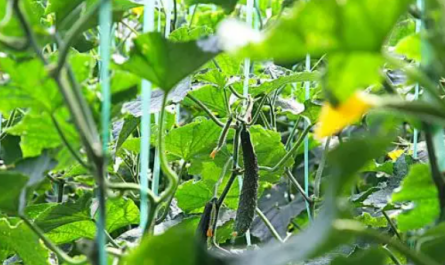
1. Alternate between heavy and light watering.
In summer, irrigation serves the dual purpose of replenishing moisture and lowering temperatures. However, if watering is too frequent or the volume of water is excessive—resulting in overly high soil humidity—the root system may remain shallow near the surface rather than penetrating deep into the soil, leading to an imbalance in plant growth. Therefore, it is advisable to water frequently using small amounts, or to alternate between heavy and light watering sessions.
2. Reduce nitrogen fertilizer application.
Excessive vegetative growth in plants is often linked to high levels of nitrogen in the soil—particularly ammonium nitrogen—which vegetables absorb readily, thereby triggering rapid, uncontrolled growth. To curb this excessive stem and leaf growth, growers should carefully adjust their fertilizer ratios. When applying supplementary fertilizers (top-dressing), prioritize products such as monopotassium phosphate or calcium suspensions to specifically replenish potassium, calcium, and phosphorus. These can be combined with amino acid-based fertilizers to enhance nutrient absorption, balance plant vigor, foster robust plant development, and boost disease resistance.
3. Increase the day-night temperature difference.
A significant difference between daytime and nighttime temperatures is a prerequisite for the accumulation of photosynthetic products. Maintaining a temperature differential of 10°C to 12°C can lead to more vigorous plant growth, as well as higher yields and superior fruit quality.
4. Use plant growth regulators to control excessive growth.
When vegetable plants exhibit overly vigorous growth, the judicious application of plant growth regulators is one of the most effective control measures available. Excessive vegetative growth can negatively impact flower bud formation, the quality of bud differentiation, and the rate of fruit expansion; therefore, growers should intervene early. The specific dosage of plant growth regulators required will vary depending on the plant's current growth stage and the severity of the excessive growth. Growers should determine the precise application concentration by consulting product instructions and drawing upon their own practical experience to avoid over-regulating the plants.
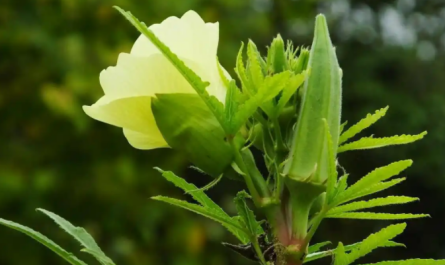
5. Ensure balanced nutrition to promote fruit expansion.
The quality of flower buds directly dictates the subsequent rate of fruit expansion. Consequently, to ensure rapid fruit enlargement later in the season, it is essential not only to balance the plant's overall vigor but also to prioritize the optimization of flower bud differentiation from the very beginning.
6. Optimize flower bud differentiation, practice proper pruning and side-shoot removal, and minimize the diversion of nutrients to stems and leaves.
During the hot season, pruning and removing lateral shoots help improve the plant's structural form. By utilizing the foliage to provide shade, this practice reduces heat accumulation in the soil and minimizes the incidence of sunscald on the fruit. Furthermore, it reduces nutrient expenditure, thereby promoting fruit enlargement. Consequently, for plants exhibiting vigorous vegetative growth, selective leaf thinning at appropriate intervals is recommended; this ensures that sufficient photosynthetic leaf area is maintained while simultaneously reducing nutrient consumption and directing a greater flow of nutrients toward the developing fruit.
7. Ensure a balanced supply of nutrients, with particular attention to secondary and micronutrients.
Vegetable growers are strongly advised to carefully coordinate the application of basal fertilizers and top dressings to avoid nutrient imbalances caused by the excessive application of specific elements. Only when nutrient levels are balanced—resulting in robust plant growth, vigorous photosynthesis, and substantial accumulation of organic nutrients—can the rate of fruit enlargement be effectively accelerated. Regarding secondary nutrients such as calcium and magnesium, crops like cucurbits and solanaceous vegetables have particularly high requirements; therefore, in addition to incorporating these elements into the basal fertilizer, it is beneficial to apply a calcium- and magnesium-rich fertilizer via fertigation (drip irrigation) once a month. Micronutrients—such as boron, zinc, iron, and silicon—are required in much smaller quantities and can be effectively supplemented through foliar sprays; typically, a single application every 10 to 15 days is sufficient.
1. Alternate between heavy and light watering.
In summer, irrigation serves the dual purpose of replenishing moisture and lowering temperatures. However, if watering is too frequent or the volume of water is excessive—resulting in overly high soil humidity—the root system may remain shallow near the surface rather than penetrating deep into the soil, leading to an imbalance in plant growth. Therefore, it is advisable to water frequently using small amounts, or to alternate between heavy and light watering sessions.
2. Reduce nitrogen fertilizer application.
Excessive vegetative growth in plants is often linked to high levels of nitrogen in the soil—particularly ammonium nitrogen—which vegetables absorb readily, thereby triggering rapid, uncontrolled growth. To curb this excessive stem and leaf growth, growers should carefully adjust their fertilizer ratios. When applying supplementary fertilizers (top-dressing), prioritize products such as monopotassium phosphate or calcium suspensions to specifically replenish potassium, calcium, and phosphorus. These can be combined with amino acid-based fertilizers to enhance nutrient absorption, balance plant vigor, foster robust plant development, and boost disease resistance.
3. Increase the day-night temperature difference.
A significant difference between daytime and nighttime temperatures is a prerequisite for the accumulation of photosynthetic products. Maintaining a temperature differential of 10°C to 12°C can lead to more vigorous plant growth, as well as higher yields and superior fruit quality.
4. Use plant growth regulators to control excessive growth.
When vegetable plants exhibit overly vigorous growth, the judicious application of plant growth regulators is one of the most effective control measures available. Excessive vegetative growth can negatively impact flower bud formation, the quality of bud differentiation, and the rate of fruit expansion; therefore, growers should intervene early. The specific dosage of plant growth regulators required will vary depending on the plant's current growth stage and the severity of the excessive growth. Growers should determine the precise application concentration by consulting product instructions and drawing upon their own practical experience to avoid over-regulating the plants.
5. Ensure balanced nutrition to promote fruit expansion.
The quality of flower buds directly dictates the subsequent rate of fruit expansion. Consequently, to ensure rapid fruit enlargement later in the season, it is essential not only to balance the plant's overall vigor but also to prioritize the optimization of flower bud differentiation from the very beginning.
6. Optimize flower bud differentiation, practice proper pruning and side-shoot removal, and minimize the diversion of nutrients to stems and leaves.
During the hot season, pruning and removing lateral shoots help improve the plant's structural form. By utilizing the foliage to provide shade, this practice reduces heat accumulation in the soil and minimizes the incidence of sunscald on the fruit. Furthermore, it reduces nutrient expenditure, thereby promoting fruit enlargement. Consequently, for plants exhibiting vigorous vegetative growth, selective leaf thinning at appropriate intervals is recommended; this ensures that sufficient photosynthetic leaf area is maintained while simultaneously reducing nutrient consumption and directing a greater flow of nutrients toward the developing fruit.
7. Ensure a balanced supply of nutrients, with particular attention to secondary and micronutrients.
Vegetable growers are strongly advised to carefully coordinate the application of basal fertilizers and top dressings to avoid nutrient imbalances caused by the excessive application of specific elements. Only when nutrient levels are balanced—resulting in robust plant growth, vigorous photosynthesis, and substantial accumulation of organic nutrients—can the rate of fruit enlargement be effectively accelerated. Regarding secondary nutrients such as calcium and magnesium, crops like cucurbits and solanaceous vegetables have particularly high requirements; therefore, in addition to incorporating these elements into the basal fertilizer, it is beneficial to apply a calcium- and magnesium-rich fertilizer via fertigation (drip irrigation) once a month. Micronutrients—such as boron, zinc, iron, and silicon—are required in much smaller quantities and can be effectively supplemented through foliar sprays; typically, a single application every 10 to 15 days is sufficient.
RECENT POSTS
Featured News