

Use of Plant Growth Regulators on Vegetables: Legumes
1. Green Beans (Snap Beans)
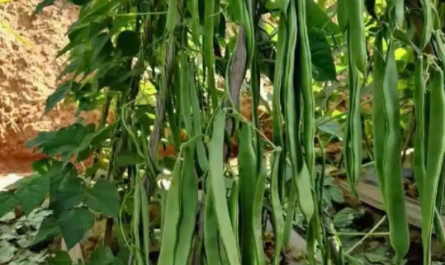
Germination Promotion
To accelerate seed germination speed and increase the germination rate—thereby ensuring uniform and robust seedlings—seeds can typically be soaked for 6 hours in one of the following solutions: Gibberellic Acid at 200–300 mg/L, Sodium Nitrophenolates at 6–8 mg/L, or Diethyl aminoethyl hexanoate (DA-6) at 10–12 mg/L. All three methods effectively achieve this result.
Management During the Seedling and Growth Stages
Green beans generally do not require nursery bed cultivation; instead, they are typically direct-sown in the open field. Furthermore, the methods for applying plant growth regulators—from the time of emergence through the mid-to-late growth stages—are largely consistent, as outlined below:
Sodium Nitrophenolates
Apply Sodium Nitrophenolates at a concentration of 6 mg/L, spraying the plants approximately every 10 days, starting from the true-leaf stage. This treatment can advance the green bean harvest period by 8–10 days and increase yield by approximately 30%.
Diethyl aminoethyl hexanoate (DA-6)
Apply DA-6 at a concentration of 5–15 mg/L, spraying the plants approximately every 10 days, starting from the true-leaf stage. This treatment can advance the green bean harvest period by 3–5 days while simultaneously delaying senescence and extending the overall harvest duration, resulting in a yield increase of 55%–60%.
Triacontanol
Apply Triacontanol at a concentration of 0.5 mg/L by spraying the plants at the onset of flowering. This promotes pod setting. A second application should be performed 7–10 days later; in total, 2–3 applications are recommended. This regimen can increase green bean yields by approximately 10%, with a particularly significant impact on early-season production.
Important Usage Notes:The optimal timing for application on green beans is at the onset of flowering, as this is most conducive to flower retention and increased pod formation. If applied either too early or too late, the results will not be as pronounced as those achieved during the flowering stage. Triacontanol is compatible with pesticides and trace elements; specifically, its efficacy is further enhanced when mixed and applied together with Monopotassium Phosphate (KH₂PO₄).
2. Cowpea (Vigna unguiculata)
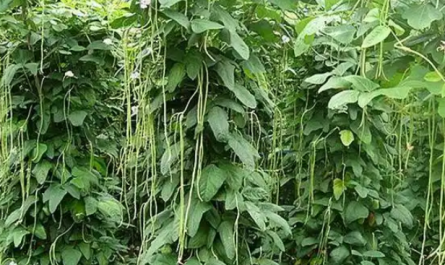
Promoting Seed Germination
Brassinolide (BR)
Soaking seeds in a 0.01–0.05 mg/L Brassinolide solution for 10 hours can increase oxygen uptake in the seeds and promote germination.
Humic Acid
Soaking seeds in a 10–50 mg/L Humic Acid solution for 12 hours can promote germination.
Sodium Nitrophenolates
Soaking seeds in a 3–6 mg/L Sodium Nitrophenolates solution for 12 hours can promote germination.
DA-6
Soaking seeds in a 10–15 mg/L DA-6 solution for 12 hours can promote germination.
Increasing Yields
Triacontanol
Treating cowpea plants with Triacontanol can increase the pod-setting rate. This is particularly beneficial during the spring season, when low temperatures often hinder pod formation; under such conditions, Triacontanol treatment can significantly boost the pod-setting rate, facilitating early high yields and increasing economic returns. By foliar spraying a 0.5 mg/L Triacontanol solution once at the initial flowering stage and again at the early pod-setting stage, cowpea yields can be increased by 12%. The application involves spraying the entire plant with 0.5 mg/L Triacontanol during the initial flowering and early pod-setting stages.
DA-6
DA-6 enhances photosynthesis, increases chlorophyll content, boosts the plant's uptake of CO₂, regulates the plant's carbon-to-nitrogen (C/N) ratio, and improves the disease resistance of both leaves and the entire plant, resulting in vigorous growth. During the growing season, applying a foliar spray of 10–12 mg/L DA-6 at 15-day intervals—for a total of 2 to 3 applications—can increase yields by over 20%.
Post-Harvest Preservation
2,4-D: Treating harvested cowpea pods with a 10–20 mg/L solution of 2,4-D increases the level of the endogenous hormone IAA within the pods while simultaneously reducing peroxidase activity. Furthermore, this treatment partially inhibits the transport of nutrients from the pod walls to the developing seeds and delays the degradation of chlorophyll within the pods, thereby extending the post-harvest shelf life of the cowpeas.
3. Broad Beans
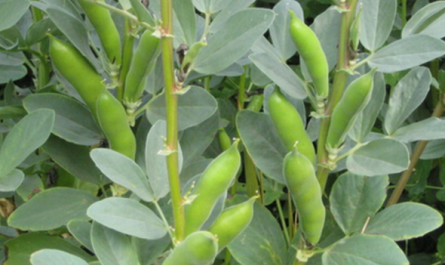
During the growth and development of broad beans, the proper application of low-concentration plant growth regulators not only promotes growth and development but also prevents flower and pod abscission, inhibits apical dominance, and enhances the plant's cold tolerance and lodging resistance, thereby achieving the objective of increased yield.
Preventing Abscission
Sodium 1-Naphthyl Acetic Acid (Na-NAA)
Spot-spraying a mixed solution of 10 mg/L Na-NAA and 1000 mg/L boric acid at points where buds, flowers, or pods are undergoing significant abscission can significantly reduce shedding and increase the number of pods formed. Following application, the average single-plot yield typically increases by 15–20 kg, and maturity is advanced by 5–7 days; this constitutes a simple, practical, economical, and effective measure for increasing yield. The optimal time for spraying is on overcast days or during the evening on sunny days; when spraying the entire plant, it is best to direct the spray toward the undersides of the leaves.
Increasing Yield
Paclobutrazol (Paclo)
Spraying 200–300 mg/L Paclobutrazol (Paclo) during the broad bean's initial flowering to full-bloom stages results in a significant increase in yield. According to experiments conducted by relevant institutions, the application of Paclobutrazol can boost yield by 18.5%; post-application, plant height typically decreases by approximately 15 cm, branch thickness increases by 21.2%, and the number of pods per plant increases by 12.6%.
Regarding application methods, careful attention must be paid to timing; spraying too early or too late will compromise the effectiveness of the treatment. For fields exhibiting poor growth, the product should be used sparingly or avoided entirely; conversely, for fields showing a tendency toward lodging, the concentration may be increased to 400 mg/L. Furthermore, following application, growers should not relax their management of fertilizer and water—despite the leaves potentially appearing darker green—as proper nutrient and moisture management remain crucial.
Sodium Nitrophenolates
Applying a solution of 6–9 mg/L Sodium Nitrophenolates once each during the seedling stage, full-bloom stage, and pod-setting stage of broad beans can strengthen seedlings and increase yield.
Germination Promotion
To accelerate seed germination speed and increase the germination rate—thereby ensuring uniform and robust seedlings—seeds can typically be soaked for 6 hours in one of the following solutions: Gibberellic Acid at 200–300 mg/L, Sodium Nitrophenolates at 6–8 mg/L, or Diethyl aminoethyl hexanoate (DA-6) at 10–12 mg/L. All three methods effectively achieve this result.
Management During the Seedling and Growth Stages
Green beans generally do not require nursery bed cultivation; instead, they are typically direct-sown in the open field. Furthermore, the methods for applying plant growth regulators—from the time of emergence through the mid-to-late growth stages—are largely consistent, as outlined below:
Sodium Nitrophenolates
Apply Sodium Nitrophenolates at a concentration of 6 mg/L, spraying the plants approximately every 10 days, starting from the true-leaf stage. This treatment can advance the green bean harvest period by 8–10 days and increase yield by approximately 30%.
Diethyl aminoethyl hexanoate (DA-6)
Apply DA-6 at a concentration of 5–15 mg/L, spraying the plants approximately every 10 days, starting from the true-leaf stage. This treatment can advance the green bean harvest period by 3–5 days while simultaneously delaying senescence and extending the overall harvest duration, resulting in a yield increase of 55%–60%.
Triacontanol
Apply Triacontanol at a concentration of 0.5 mg/L by spraying the plants at the onset of flowering. This promotes pod setting. A second application should be performed 7–10 days later; in total, 2–3 applications are recommended. This regimen can increase green bean yields by approximately 10%, with a particularly significant impact on early-season production.
Important Usage Notes:The optimal timing for application on green beans is at the onset of flowering, as this is most conducive to flower retention and increased pod formation. If applied either too early or too late, the results will not be as pronounced as those achieved during the flowering stage. Triacontanol is compatible with pesticides and trace elements; specifically, its efficacy is further enhanced when mixed and applied together with Monopotassium Phosphate (KH₂PO₄).
2. Cowpea (Vigna unguiculata)
Promoting Seed Germination
Brassinolide (BR)
Soaking seeds in a 0.01–0.05 mg/L Brassinolide solution for 10 hours can increase oxygen uptake in the seeds and promote germination.
Humic Acid
Soaking seeds in a 10–50 mg/L Humic Acid solution for 12 hours can promote germination.
Sodium Nitrophenolates
Soaking seeds in a 3–6 mg/L Sodium Nitrophenolates solution for 12 hours can promote germination.
DA-6
Soaking seeds in a 10–15 mg/L DA-6 solution for 12 hours can promote germination.
Increasing Yields
Triacontanol
Treating cowpea plants with Triacontanol can increase the pod-setting rate. This is particularly beneficial during the spring season, when low temperatures often hinder pod formation; under such conditions, Triacontanol treatment can significantly boost the pod-setting rate, facilitating early high yields and increasing economic returns. By foliar spraying a 0.5 mg/L Triacontanol solution once at the initial flowering stage and again at the early pod-setting stage, cowpea yields can be increased by 12%. The application involves spraying the entire plant with 0.5 mg/L Triacontanol during the initial flowering and early pod-setting stages.
DA-6
DA-6 enhances photosynthesis, increases chlorophyll content, boosts the plant's uptake of CO₂, regulates the plant's carbon-to-nitrogen (C/N) ratio, and improves the disease resistance of both leaves and the entire plant, resulting in vigorous growth. During the growing season, applying a foliar spray of 10–12 mg/L DA-6 at 15-day intervals—for a total of 2 to 3 applications—can increase yields by over 20%.
Post-Harvest Preservation
2,4-D: Treating harvested cowpea pods with a 10–20 mg/L solution of 2,4-D increases the level of the endogenous hormone IAA within the pods while simultaneously reducing peroxidase activity. Furthermore, this treatment partially inhibits the transport of nutrients from the pod walls to the developing seeds and delays the degradation of chlorophyll within the pods, thereby extending the post-harvest shelf life of the cowpeas.
3. Broad Beans
During the growth and development of broad beans, the proper application of low-concentration plant growth regulators not only promotes growth and development but also prevents flower and pod abscission, inhibits apical dominance, and enhances the plant's cold tolerance and lodging resistance, thereby achieving the objective of increased yield.
Preventing Abscission
Sodium 1-Naphthyl Acetic Acid (Na-NAA)
Spot-spraying a mixed solution of 10 mg/L Na-NAA and 1000 mg/L boric acid at points where buds, flowers, or pods are undergoing significant abscission can significantly reduce shedding and increase the number of pods formed. Following application, the average single-plot yield typically increases by 15–20 kg, and maturity is advanced by 5–7 days; this constitutes a simple, practical, economical, and effective measure for increasing yield. The optimal time for spraying is on overcast days or during the evening on sunny days; when spraying the entire plant, it is best to direct the spray toward the undersides of the leaves.
Increasing Yield
Paclobutrazol (Paclo)
Spraying 200–300 mg/L Paclobutrazol (Paclo) during the broad bean's initial flowering to full-bloom stages results in a significant increase in yield. According to experiments conducted by relevant institutions, the application of Paclobutrazol can boost yield by 18.5%; post-application, plant height typically decreases by approximately 15 cm, branch thickness increases by 21.2%, and the number of pods per plant increases by 12.6%.
Regarding application methods, careful attention must be paid to timing; spraying too early or too late will compromise the effectiveness of the treatment. For fields exhibiting poor growth, the product should be used sparingly or avoided entirely; conversely, for fields showing a tendency toward lodging, the concentration may be increased to 400 mg/L. Furthermore, following application, growers should not relax their management of fertilizer and water—despite the leaves potentially appearing darker green—as proper nutrient and moisture management remain crucial.
Sodium Nitrophenolates
Applying a solution of 6–9 mg/L Sodium Nitrophenolates once each during the seedling stage, full-bloom stage, and pod-setting stage of broad beans can strengthen seedlings and increase yield.
RECENT POSTS
Featured News