

Blueberry bushes growing weakly?Brassinolide effect tested
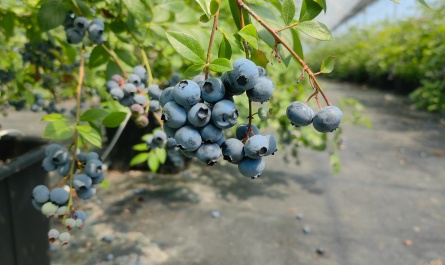
I. Mechanism of action of Brassinolide on blueberry bushes
Brassinolide is a plant growth regulator that promotes cell division and elongation. For blueberry bushes with weak growth, Brassinolide primarily works through the following mechanisms:
Stimulating root development and enhancing nutrient absorption
Promoting new shoot growth, increasing leaf quantity and area
Improving photosynthetic efficiency and accumulating more organic matter
II. Brassinolide Application Methods and Precautions
When using Brassinolide to improve blueberry bush growth, the following points should be noted:
Optimal application period: Spring budding and autumn vigorous growth
Suitable concentration: Generally recommended 50-100 ppm
Application method: Primarily foliar spraying, combined with root irrigation for better results
Avoid application during periods of high temperature to prevent phytotoxicity
III. Enhanced Results with Combined Management Measures
Simply relying on Brassinolide is insufficient to fundamentally solve blueberry bush growth problems. It is recommended to combine it with the following management measures:
Soil improvement: Maintain pH between 4.5 and 5.5
Appropriate fertilization: Increase the proportion of organic fertilizer
Water management: Keep the soil moist but not waterlogged
Proper pruning: Thin out overly dense branches to improve ventilation and light penetration
RECENT POSTS
-
13th National Plant Growth Regulator Industry Conference Held in Hebi Henan
-
Key Innovation Directions for Plant Hormone Technologies
-
Latest Growth Forecast for the Southeast Asian Plant Growth Regulator Market
-
Experiments have demonstrated excellent results using the plant hormone "Pineapple King" in Vietnamese pineapple cultivation
Featured News