

How to Use Plant Growth Regulators Effectively in Agriculture?
Plant growth regulators (PGRs) play an important role in modern agricultural production. However, they are not plant nutrients and cannot replace the essential requirements for normal crop growth, including suitable temperatures, adequate light, water, and nutrients. Understanding how plant growth regulators work, applying them appropriately, and combining their use with proper cultivation practices are essential to achieving the desired results.
1. Plant Growth Regulators Cannot Replace Plant Nutritional Requirements
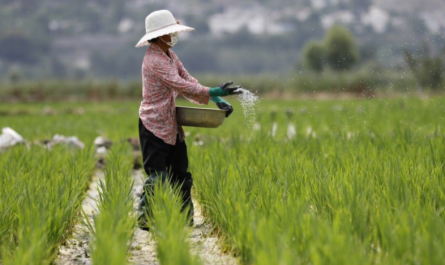
The primary function of plant growth regulators is to regulate plant growth and development rather than directly supply nutrients to crops. Normal plant growth depends on suitable temperatures, adequate light, sufficient water, and essential nutrients. These fundamental growing conditions cannot be replaced by the application of plant growth regulators.
Therefore, plant growth regulators should not be regarded as nutritional supplements for promoting crop growth. Nor should growers expect these products alone to correct nutrient deficiencies or resolve nutritional problems during crop development.
2. Adequate Water and Nutrient Supply Is Essential for Effective Regulation
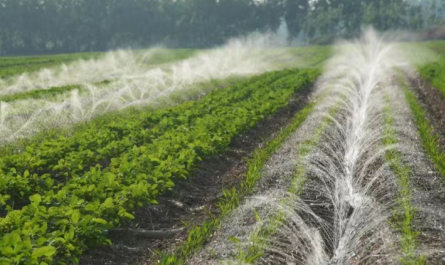
In agricultural production, even plant growth regulators with growth-promoting effects require adequate water and nutrient availability, together with proper cultivation management, to perform effectively.
When crops lack sufficient water or essential nutrients, or when environmental conditions are unfavorable, relying solely on plant growth regulators is unlikely to produce the expected results. Proper fertilization, efficient irrigation, and appropriate field management therefore remain essential practices for maintaining normal crop growth and development.
3. Combining Proper PGR Application with Good Cultivation Practices
Plant growth regulators are supplementary tools in agricultural production and should not replace conventional crop management practices. Growers should select and apply appropriate regulators according to crop species, growth stages, and specific production requirements. At the same time, proper water and nutrient management, along with routine field maintenance, should be maintained.
The key to using plant growth regulators effectively is understanding their proper role in crop production. Only when essential growing conditions are adequately maintained and appropriate PGR applications are integrated with sound cultivation practices can their regulatory effects be fully utilized. This approach helps prevent improper application, supports healthy crop development, and contributes to improved agricultural productivity and quality.
1. Plant Growth Regulators Cannot Replace Plant Nutritional Requirements
The primary function of plant growth regulators is to regulate plant growth and development rather than directly supply nutrients to crops. Normal plant growth depends on suitable temperatures, adequate light, sufficient water, and essential nutrients. These fundamental growing conditions cannot be replaced by the application of plant growth regulators.
Therefore, plant growth regulators should not be regarded as nutritional supplements for promoting crop growth. Nor should growers expect these products alone to correct nutrient deficiencies or resolve nutritional problems during crop development.
2. Adequate Water and Nutrient Supply Is Essential for Effective Regulation
In agricultural production, even plant growth regulators with growth-promoting effects require adequate water and nutrient availability, together with proper cultivation management, to perform effectively.
When crops lack sufficient water or essential nutrients, or when environmental conditions are unfavorable, relying solely on plant growth regulators is unlikely to produce the expected results. Proper fertilization, efficient irrigation, and appropriate field management therefore remain essential practices for maintaining normal crop growth and development.
3. Combining Proper PGR Application with Good Cultivation Practices
Plant growth regulators are supplementary tools in agricultural production and should not replace conventional crop management practices. Growers should select and apply appropriate regulators according to crop species, growth stages, and specific production requirements. At the same time, proper water and nutrient management, along with routine field maintenance, should be maintained.
The key to using plant growth regulators effectively is understanding their proper role in crop production. Only when essential growing conditions are adequately maintained and appropriate PGR applications are integrated with sound cultivation practices can their regulatory effects be fully utilized. This approach helps prevent improper application, supports healthy crop development, and contributes to improved agricultural productivity and quality.