

New Research Highlights the Potential of DA-6 and Brassinolide in Improving Wheat Cold Tolerance
Low-temperature stress remains a major challenge for winter wheat production, particularly during sensitive growth stages in early spring. Sudden temperature drops can damage plant cells, disrupt photosynthesis, affect grain development, and ultimately reduce crop yield. Recent research published in Frontiers in Plant Science in July 2026 has highlighted the potential of combining DA-6 and 28-homobrassinolide to improve wheat tolerance to low-temperature stress.
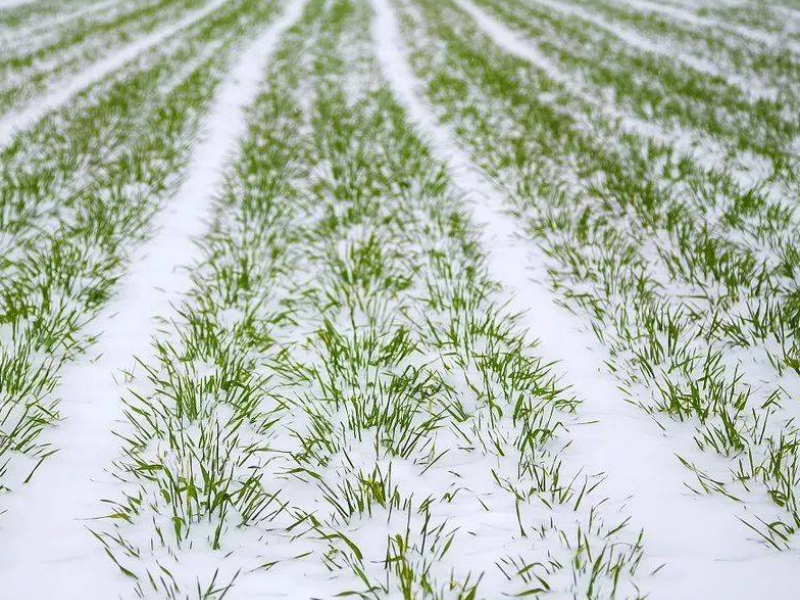
Cold stress can affect wheat production in several ways:
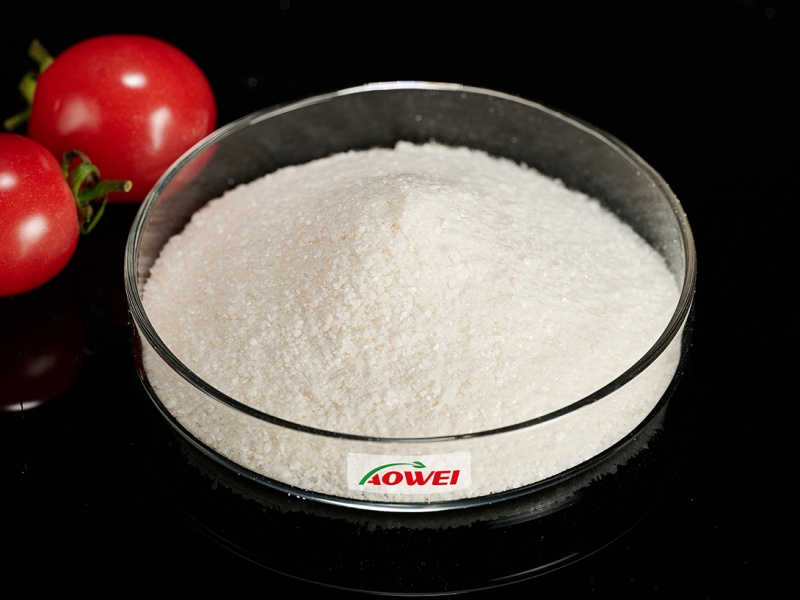
The researchers tested two winter wheat cultivars, Bainong207 and Zhengmai136, during the jointing stage. The plants were exposed to a simulated low temperature of -3°C for 12 hours.
The results showed that foliar application of the DA-6 and 28-HBL formulation helped improve several physiological indicators associated with cold tolerance.
Key findings included:
These findings suggest that the combined application of DA-6 and 28-homobrassinolide may help winter wheat maintain physiological activity and reduce yield losses under low-temperature stress.
DA-6 (Diethyl Aminoethyl Hexanoate)
DA-6 is commonly studied for its potential effects on plant growth, nutrient metabolism, photosynthetic activity, and stress responses. Depending on the crop and application conditions, it may help support plant physiological activity under unfavorable environmental conditions.
Brassinolide
Brassinolide belongs to the brassinosteroid group of plant hormones. It plays important roles in cell elongation, cell division, photosynthesis, and plant responses to environmental stress.
Research has investigated the involvement of brassinosteroids in regulating antioxidant defense systems and maintaining cellular function under low-temperature conditions.
The 2026 wheat study provides experimental evidence for the potential benefits of a combined DA-6 and 28-HBL formulation. However, it does not establish that either ingredient alone would produce the same results.
For agricultural producers, several considerations are important:
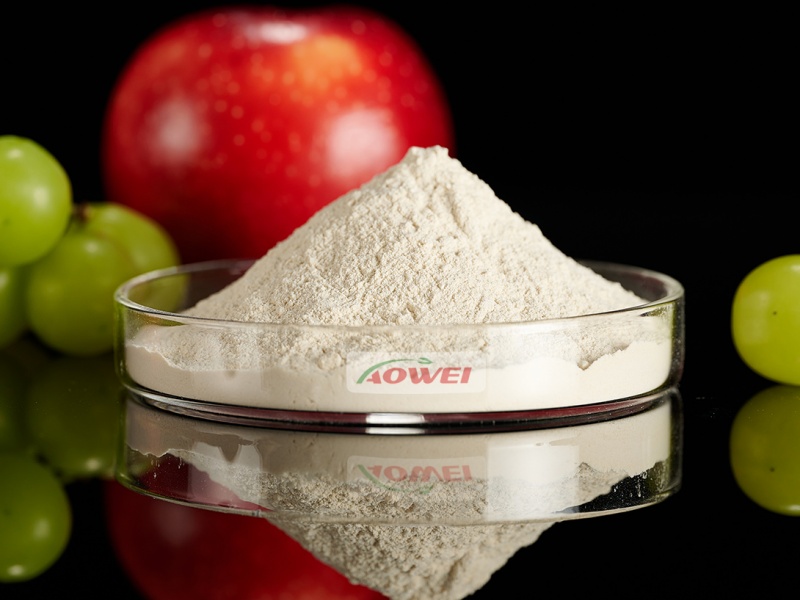
1. Why Is Cold Stress a Concern for Winter Wheat?
Winter wheat is exposed to changing environmental conditions throughout its growing cycle. Although the crop can tolerate relatively low temperatures during certain developmental stages, sudden cold events during spring growth may cause significant physiological damage.Cold stress can affect wheat production in several ways:
- Cell membrane damage: Low temperatures can affect membrane stability and increase cellular damage.
- Reduced photosynthetic activity: Cold conditions may interfere with chlorophyll function and photosystem activity.
- Oxidative stress: Excessive reactive oxygen species (ROS) can damage cellular structures and important metabolic processes.
- Impaired grain development: Cold stress during sensitive reproductive stages may affect grain setting and yield components.
2. What Does the Latest Research Reveal About DA-6 and Brassinolide?
A study published on July 27, 2026, in Frontiers in Plant Science investigated the effects of a compound formulation containing diethyl aminoethyl hexanoate (DA-6) and 28-homobrassinolide (28-HBL) on winter wheat under simulated low-temperature stress.The researchers tested two winter wheat cultivars, Bainong207 and Zhengmai136, during the jointing stage. The plants were exposed to a simulated low temperature of -3°C for 12 hours.
The results showed that foliar application of the DA-6 and 28-HBL formulation helped improve several physiological indicators associated with cold tolerance.
Key findings included:
- Increased activities of antioxidant enzymes, particularly superoxide dismutase (SOD) and catalase (CAT).
- Increased accumulation of soluble sugars, soluble proteins, and proline, which are associated with plant stress responses.
- Reduced malondialdehyde (MDA) accumulation, indicating less membrane lipid peroxidation.
- Improved photosystem II (PSII) activity and protection of leaf cell structures.
These findings suggest that the combined application of DA-6 and 28-homobrassinolide may help winter wheat maintain physiological activity and reduce yield losses under low-temperature stress.
3. Understanding the Roles of DA-6 and Brassinolide
DA-6 and brassinolide are plant growth regulators associated with different physiological processes.DA-6 (Diethyl Aminoethyl Hexanoate)
DA-6 is commonly studied for its potential effects on plant growth, nutrient metabolism, photosynthetic activity, and stress responses. Depending on the crop and application conditions, it may help support plant physiological activity under unfavorable environmental conditions.
Brassinolide
Brassinolide belongs to the brassinosteroid group of plant hormones. It plays important roles in cell elongation, cell division, photosynthesis, and plant responses to environmental stress.
Research has investigated the involvement of brassinosteroids in regulating antioxidant defense systems and maintaining cellular function under low-temperature conditions.
The 2026 wheat study provides experimental evidence for the potential benefits of a combined DA-6 and 28-HBL formulation. However, it does not establish that either ingredient alone would produce the same results.
4. What Does This Mean for Agricultural Production?
The research offers useful insights for winter wheat management, particularly in regions where sudden spring temperature drops are a recurring concern.For agricultural producers, several considerations are important:
- Monitor weather conditions during sensitive wheat growth stages.
- Maintain balanced crop nutrition and appropriate water management.
- Evaluate suitable plant growth regulator products as part of an integrated crop management strategy.
- Select products according to crop requirements, local registration, formulation specifications, and label instructions.
5. Exploring DA-6 and Brassinolide Product Solutions
The growing interest in plant stress management has increased attention on active ingredients that may support crop growth under challenging environmental conditions.
DA-6 and brassinolide are two important ingredients for agricultural product development and formulation research. They are available in different product specifications and formulation types depending on the manufacturer and target market.
For agricultural distributors, importers, and crop input suppliers, evaluating product concentration, formulation stability, solubility, packaging, and registration requirements is essential when sourcing these products.
Pinsoa&Aowei provides plant growth regulator product solutions for agricultural and wholesale buyers, including DA-6 and brassinolide products in different specifications.
Contact our team to explore suitable DA-6 and brassinolide formulations for your agricultural product portfolio.
admin@agriplantgrowth.com
whatsapp:+86 153 2484 0068
RECENT POSTS
-
Preparing for the 2027 Growing Season: A Guide to Plant Growth Regulator Selection
-
Plant Growth Regulators in Winter Greenhouse Vegetable Production
-
New Research Highlights the Potential of DA-6 and Brassinolide in Improving Wheat Cold Tolerance
-
Biostimulant Market Continues to Expand as Global Agricultural Demand Grows
Featured News