

Plant Growth Regulators in Winter Greenhouse Vegetable Production
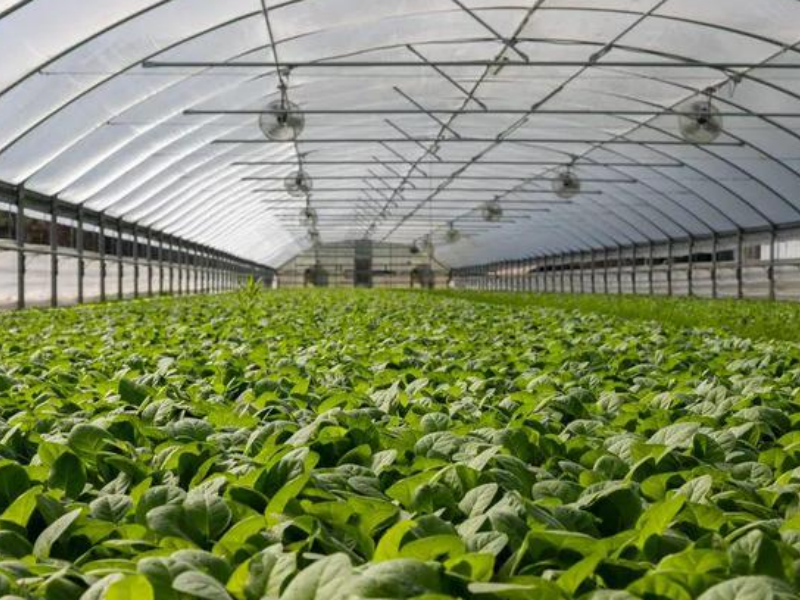
Winter greenhouse vegetable production allows growers to maintain crop production beyond the traditional growing season. However, shorter daylight hours, lower temperatures, reduced light intensity, and fluctuating humidity can create challenges for plant development, flowering, and fruit production.
In addition to environmental management and balanced crop nutrition, plant growth regulators (PGRs) can be useful tools for managing specific aspects of vegetable growth when the products are registered and suitable for the target crop.
Winter conditions can influence greenhouse vegetables in several ways.
Low Temperature
Cold temperatures may slow cell division, root activity, nutrient uptake, and overall plant growth. In fruiting vegetables such as tomatoes and cucumbers, unsuitable temperatures can also affect flowering, pollen development, and fruit setting.
Insufficient Light
Shorter days and lower light intensity reduce the energy available for photosynthesis. Plants may develop more slowly, and fruit growth can be affected when the available assimilates are insufficient.
Humidity Fluctuations
High humidity and poor air circulation may increase the risk of fungal diseases. On the other hand, excessively dry air can increase water loss and plant stress.
Imbalanced Vegetative and Reproductive Growth
Some greenhouse crops may develop excessive stems and leaves while flowering and fruit production remain limited. Maintaining an appropriate balance between vegetative and reproductive growth is important for consistent production.
Their functions vary according to the active ingredient, crop species, concentration, growth stage, and application method.
In greenhouse production, research on brassinosteroids has attracted attention because of their potential involvement in maintaining physiological activity under unfavorable growing conditions.
For winter vegetable production, brassinolide may be considered as part of a crop management program where the specific product is approved for the target crop and application purpose.
Its application in greenhouse production depends strongly on crop species and growth stage. Inappropriate use may result in excessive vegetative growth or undesirable changes in fruit development.
Growers should follow crop-specific product labels rather than applying general recommendations across different vegetable varieties.
Depending on the crop and approved use, cytokinin-based products may be involved in regulating shoot development, branching, or other growth-related processes.
The appropriate application timing and concentration should always be determined by the registered product instructions.
However, CPPU is not a universal solution for greenhouse vegetable fruit setting. Its suitability depends on the target crop, local registration, application stage, and product label.
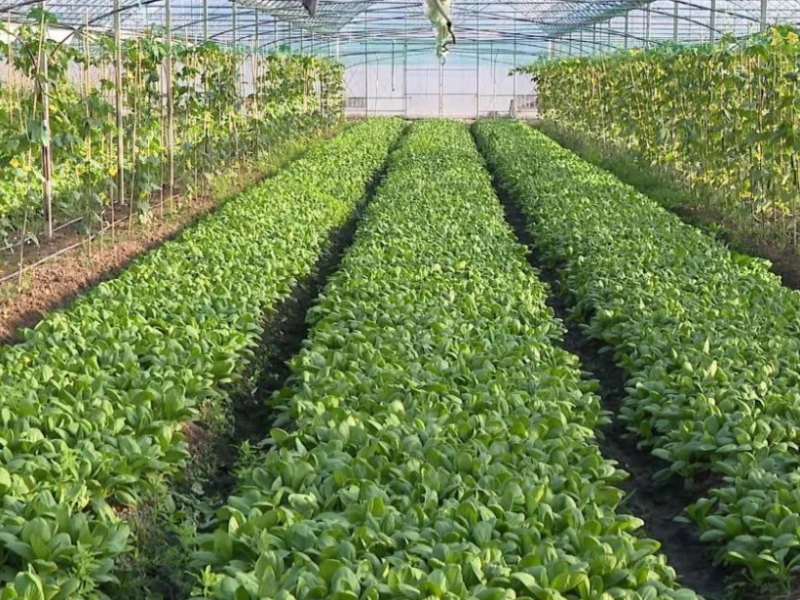
Tomatoes
Winter greenhouse tomatoes may experience reduced flowering and fruit setting when temperatures and light conditions are unsuitable.
Growers should first optimize temperature, ventilation, pollination, irrigation, and nutrition. Where locally registered, specific growth regulators may be used for approved purposes related to fruit development or other growth processes.
Cucumbers
Greenhouse cucumbers require appropriate temperature, humidity, light, and irrigation management. Cold conditions can slow plant development and reduce production.
Maintaining suitable root-zone conditions and a stable greenhouse environment is essential. PGRs should only be considered when there is a clearly identified crop requirement and an approved product use.
Peppers
Greenhouse peppers may experience slow growth and inconsistent flowering under unfavorable winter conditions.
Balanced nutrition, sufficient light, appropriate temperature, and irrigation management should remain the primary management measures. Any PGR application should be based on the specific pepper variety and registered product instructions.
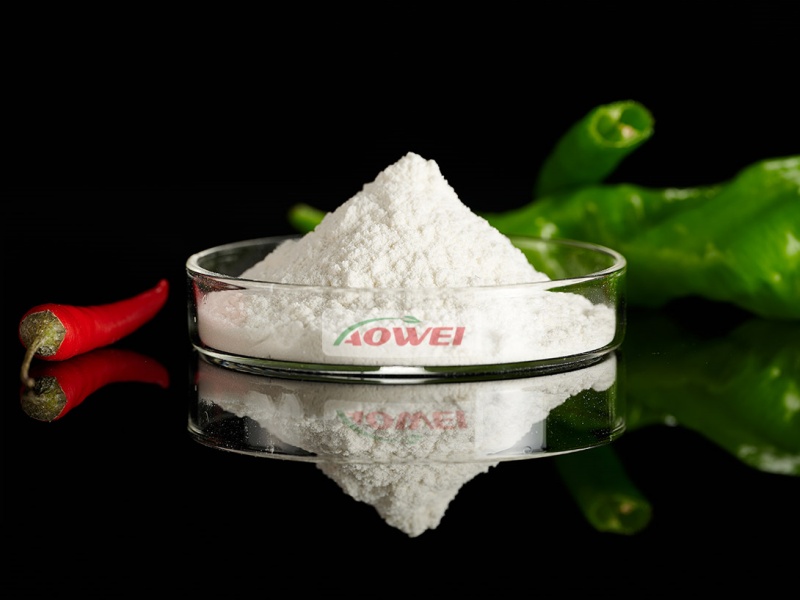
Important purchasing considerations include:
admin@agriplantgrowth.com
whatsapp:+86 153 2484 0068
In addition to environmental management and balanced crop nutrition, plant growth regulators (PGRs) can be useful tools for managing specific aspects of vegetable growth when the products are registered and suitable for the target crop.
1. Common Challenges in Winter Greenhouse Vegetable Production
Winter conditions can influence greenhouse vegetables in several ways.Low Temperature
Cold temperatures may slow cell division, root activity, nutrient uptake, and overall plant growth. In fruiting vegetables such as tomatoes and cucumbers, unsuitable temperatures can also affect flowering, pollen development, and fruit setting.
Insufficient Light
Shorter days and lower light intensity reduce the energy available for photosynthesis. Plants may develop more slowly, and fruit growth can be affected when the available assimilates are insufficient.
Humidity Fluctuations
High humidity and poor air circulation may increase the risk of fungal diseases. On the other hand, excessively dry air can increase water loss and plant stress.
Imbalanced Vegetative and Reproductive Growth
Some greenhouse crops may develop excessive stems and leaves while flowering and fruit production remain limited. Maintaining an appropriate balance between vegetative and reproductive growth is important for consistent production.
2. How Can Plant Growth Regulators Support Greenhouse Vegetable Production?
Plant growth regulators influence different physiological processes, including cell division, cell elongation, rooting, flowering, and fruit development.Their functions vary according to the active ingredient, crop species, concentration, growth stage, and application method.
2.1 Brassinolide: Supporting Plant Growth and Stress Responses
Brassinolide is a brassinosteroid associated with cell development, photosynthesis, and plant responses to environmental stress.In greenhouse production, research on brassinosteroids has attracted attention because of their potential involvement in maintaining physiological activity under unfavorable growing conditions.
For winter vegetable production, brassinolide may be considered as part of a crop management program where the specific product is approved for the target crop and application purpose.
2.2 Gibberellic Acid (GA3): Regulating Growth and Development
Gibberellic acid is a plant growth regulator involved in stem elongation, seed germination, flowering, and fruit development in certain crops.Its application in greenhouse production depends strongly on crop species and growth stage. Inappropriate use may result in excessive vegetative growth or undesirable changes in fruit development.
Growers should follow crop-specific product labels rather than applying general recommendations across different vegetable varieties.
2.3 6-Benzylaminopurine (6-BA): Involvement in Cell Division
6-BA is a synthetic cytokinin widely studied for its role in cell division and plant development.Depending on the crop and approved use, cytokinin-based products may be involved in regulating shoot development, branching, or other growth-related processes.
The appropriate application timing and concentration should always be determined by the registered product instructions.
2.4 Forchlorfenuron (CPPU): Regulating Fruit Development in Specific Crops
Forchlorfenuron (CPPU) is a synthetic plant growth regulator with cytokinin-like activity. It has been used in certain fruit crops to influence fruit development.However, CPPU is not a universal solution for greenhouse vegetable fruit setting. Its suitability depends on the target crop, local registration, application stage, and product label.
3. Crop-Specific Considerations for Winter Greenhouse Production
Different greenhouse vegetables have different physiological requirements. Therefore, PGR selection should be based on the crop rather than the season alone.Tomatoes
Winter greenhouse tomatoes may experience reduced flowering and fruit setting when temperatures and light conditions are unsuitable.
Growers should first optimize temperature, ventilation, pollination, irrigation, and nutrition. Where locally registered, specific growth regulators may be used for approved purposes related to fruit development or other growth processes.
Cucumbers
Greenhouse cucumbers require appropriate temperature, humidity, light, and irrigation management. Cold conditions can slow plant development and reduce production.
Maintaining suitable root-zone conditions and a stable greenhouse environment is essential. PGRs should only be considered when there is a clearly identified crop requirement and an approved product use.
Peppers
Greenhouse peppers may experience slow growth and inconsistent flowering under unfavorable winter conditions.
Balanced nutrition, sufficient light, appropriate temperature, and irrigation management should remain the primary management measures. Any PGR application should be based on the specific pepper variety and registered product instructions.
4. Best Practices for Using PGRs in Winter Greenhouses
To achieve consistent results, greenhouse growers should consider the following practices:- Identify the growth problem: Determine whether the issue involves vegetative growth, flowering, fruit development, or environmental stress.
- Check the crop growth stage: Different PGRs act on different physiological processes and may require specific application timing.
- Choose the appropriate active ingredient: Select products according to the target crop, intended function, and registered use.
- Evaluate formulation and concentration: Check the active ingredient content, solubility, and suitability for the intended application method.
- Consider environmental conditions: Temperature, humidity, light, and crop health can influence plant responses.
- Follow label instructions: Observe the recommended application rate, frequency, safety requirements, and pre-harvest interval where applicable.
5. Sourcing Plant Growth Regulators for Greenhouse Vegetable Production
For agricultural distributors, greenhouse input suppliers, and importers, selecting suitable PGR products requires more than comparing active ingredient names.Important purchasing considerations include:
- Active ingredient and concentration.
- Available formulations, such as SL, SP, WDG, and other suitable types.
- Solubility and formulation stability.
- Packaging specifications and storage requirements.
- Product documentation, including COA and SDS.
- Registration and regulatory requirements in the destination market.
admin@agriplantgrowth.com
whatsapp:+86 153 2484 0068
RECENT POSTS
-
Preparing for the 2027 Growing Season: A Guide to Plant Growth Regulator Selection
-
Plant Growth Regulators in Winter Greenhouse Vegetable Production
-
New Research Highlights the Potential of DA-6 and Brassinolide in Improving Wheat Cold Tolerance
-
Biostimulant Market Continues to Expand as Global Agricultural Demand Grows
Featured News