

Daily R&D in Pinsoa and Aowei Laboratory
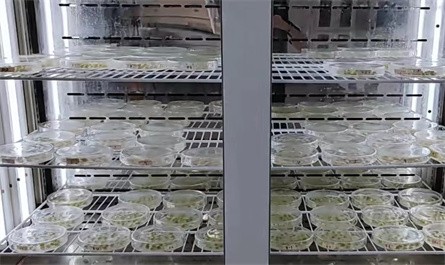
In daily R&D, PINSOA & Aowei's intelligent artificial climate chamber ensures product performance.
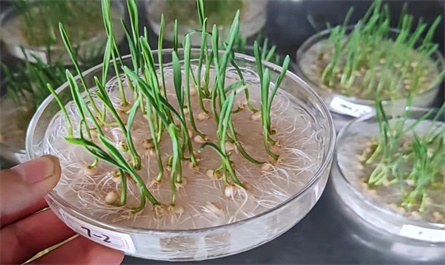
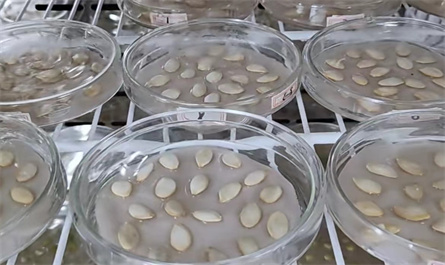
Plant growth regulators are a class of organic compounds, either synthetically synthesized or extracted from microorganisms, that mimic the physiological effects of natural plant hormones. They are used in agricultural production by regulating plant growth and development, encompassing field crops, fruits, vegetables, and flowers. Their main components include DA-6, forchlorfenuron, gibberellins, and ethephon. They promote rooting, preserve flowers and fruits, and control plant shape. They are typically used in trace amounts and have low residues.
These substances work by affecting cell division and photosynthesis, requiring adherence to dosage guidelines to avoid abnormal crop growth or phytotoxicity.
Plant growth regulators are a class of organic compounds, either synthetically synthesized or extracted from microorganisms, that mimic the physiological effects of natural plant hormones. They are used in agricultural production by regulating plant growth and development, encompassing field crops, fruits, vegetables, and flowers. Their main components include DA-6, forchlorfenuron, gibberellins, and ethephon. They promote rooting, preserve flowers and fruits, and control plant shape. They are typically used in trace amounts and have low residues.
These substances work by affecting cell division and photosynthesis, requiring adherence to dosage guidelines to avoid abnormal crop growth or phytotoxicity.
RECENT POSTS
-
13th National Plant Growth Regulator Industry Conference Held in Hebi Henan
-
Key Innovation Directions for Plant Hormone Technologies
-
Latest Growth Forecast for the Southeast Asian Plant Growth Regulator Market
-
Experiments have demonstrated excellent results using the plant hormone "Pineapple King" in Vietnamese pineapple cultivation
Featured News