

Key Points for August Corn Field Management
As August begins, corn crops generally enter the tasseling and silking stages. This is a period of high sensitivity to heat and a critical time for determining final yield.
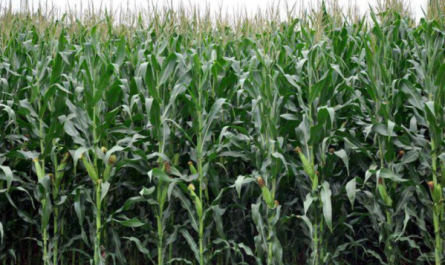
It is essential to guard against late-season high temperatures and drought while implementing various technical measures to mitigate heat stress on the crop. First, areas experiencing drought should irrigate promptly and thoroughly; watering helps lower temperatures and improve the field microclimate, thereby alleviating heat damage. Second, apply micronutrient fertilizers; elements such as zinc and boron enhance the drought resistance of plant proteins. This application should be combined with pest and disease control measures to achieve multiple protective effects with a single spraying. It is also recommended to conduct manual assisted pollination widely in late July and early August—after the emergence of male and female tassels—to boost yields.
Following tasseling, corn enters the reproductive growth stage. During this time, the leaf area index reaches its maximum, marking a crucial period for energy accumulation and kernel development.
The silking stage is critical for determining kernel number, while the subsequent grain-filling stage determines kernel weight; together, these phases are vital for yield formation and are also periods of high pest and disease incidence. To ensure high yields, field management during this time must be intensified. The following recommendations are provided:
1. Timely Irrigation
Water consumption during the ear development stage accounts for 30%–35% of the crop's total water needs over its lifespan. The tasseling stage involves high-intensity water use and is a critical period for water demand; drought or water deficiency can lead to varying degrees of yield loss—or even total crop failure—severely impacting production.
If high temperatures occur without effective rainfall, the soil begins to dry out, negatively affecting corn growth. Timely irrigation is essential in such conditions to prevent serious yield loss.
2. Appropriate Top-Dressing
The ear development stage is a period of high nutrient demand and intensity for corn. Absorption of nitrogen, phosphorus, and potassium during this phase accounts for 50%–55%, 52%–60%, and 75%–85% of the total uptake over the crop's life cycle, respectively. Top-dressing should be applied appropriately based on specific conditions. For corn showing signs of nitrogen deficiency, "grain fertilizer" is typically applied between the tasseling and silking stages. Nitrogen-based fertilizer—specifically around 10 kg of urea per mu—is used to promote grain filling, improve the seed-setting rate, and increase grain weight.
3. Removal of Barren Stalks and Non-Productive Ears
Barren stalks impede field ventilation and light penetration, compete with healthy plants for water and nutrients, waste resources, and potentially spread diseases, all of which negatively impact yield; therefore, they should be removed early. Aside from the uppermost ear, secondary and tertiary ears on a corn plant usually develop poorly (except in specific varieties) and generally fail to produce viable grain. These "blind ears" (barren or undeveloped ears) should be removed to minimize nutrient waste, thereby directing nutrients to the primary ear to ensure it is large, well-filled, and high-yielding. Alongside removing barren stalks and blind ears, diseased plants must also be promptly eliminated to curb the spread of pests and diseases.
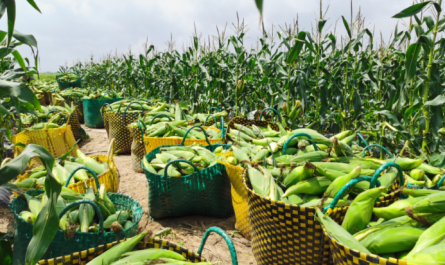
4. Inter-row Cultivation and Earthing Up
Inter-row cultivation improves soil aeration, permeability, and the availability of water and nutrients, while also promoting root development and eliminating weeds. Earthing up (mounding soil around the base of the plant) encourages the formation of aerial roots, thereby enhancing the crop's resistance to lodging. Since autumn winds frequently cause corn to lodge (fall over), earthing up should be performed promptly after top-dressing fertilizer to prevent this issue; lodging during the late growth stage can severely reduce yields.
5. Pest and Disease Control
Pest and disease management relies on early detection and timely intervention. Based on historical data, forecasts indicate localized heavy outbreaks this year of the third-generation armyworm, ear-stage corn borer, cotton bollworm, northern corn leaf blight, and brown spot disease; the period from late July to late August marks the peak season for these threats.
During the mid-to-late growth stages, the primary threats include boring, leaf-feeding, and sap-sucking insects, as well as foliar diseases. Corn borers, cotton bollworms, aphids, northern corn leaf blight, southern corn leaf blight, and brown spot disease are widespread and cause significant damage. Additionally, pests and diseases such as spider mites, corn rootworms (specifically *Diabrotica* species), Curvularia leaf spot, head smut, common smut, sheath blight, stalk rot, ear rot, and gray leaf spot cause varying degrees of damage in certain regions and require active control measures.
6. Timely Delayed Harvesting
Promoting the practice of timely delayed harvesting ensures sufficient grain-filling time for the corn, serving as an effective measure to increase grain weight and boost yields and income. Ideally, harvesting should take place during the full maturity stage—typically late September to early October. Indicators of maturity include husks turning white, drying out, and loosening; the disappearance of the milk line; and a glossy appearance on the kernels. Grain weight is usually highest at this stage. This technique requires no additional cost; trials have shown that, within a certain timeframe, delaying the harvest by one day increases the thousand-kernel weight by an average of approximately 3 grams.
It is essential to guard against late-season high temperatures and drought while implementing various technical measures to mitigate heat stress on the crop. First, areas experiencing drought should irrigate promptly and thoroughly; watering helps lower temperatures and improve the field microclimate, thereby alleviating heat damage. Second, apply micronutrient fertilizers; elements such as zinc and boron enhance the drought resistance of plant proteins. This application should be combined with pest and disease control measures to achieve multiple protective effects with a single spraying. It is also recommended to conduct manual assisted pollination widely in late July and early August—after the emergence of male and female tassels—to boost yields.
Following tasseling, corn enters the reproductive growth stage. During this time, the leaf area index reaches its maximum, marking a crucial period for energy accumulation and kernel development.
The silking stage is critical for determining kernel number, while the subsequent grain-filling stage determines kernel weight; together, these phases are vital for yield formation and are also periods of high pest and disease incidence. To ensure high yields, field management during this time must be intensified. The following recommendations are provided:
1. Timely Irrigation
Water consumption during the ear development stage accounts for 30%–35% of the crop's total water needs over its lifespan. The tasseling stage involves high-intensity water use and is a critical period for water demand; drought or water deficiency can lead to varying degrees of yield loss—or even total crop failure—severely impacting production.
If high temperatures occur without effective rainfall, the soil begins to dry out, negatively affecting corn growth. Timely irrigation is essential in such conditions to prevent serious yield loss.
2. Appropriate Top-Dressing
The ear development stage is a period of high nutrient demand and intensity for corn. Absorption of nitrogen, phosphorus, and potassium during this phase accounts for 50%–55%, 52%–60%, and 75%–85% of the total uptake over the crop's life cycle, respectively. Top-dressing should be applied appropriately based on specific conditions. For corn showing signs of nitrogen deficiency, "grain fertilizer" is typically applied between the tasseling and silking stages. Nitrogen-based fertilizer—specifically around 10 kg of urea per mu—is used to promote grain filling, improve the seed-setting rate, and increase grain weight.
3. Removal of Barren Stalks and Non-Productive Ears
Barren stalks impede field ventilation and light penetration, compete with healthy plants for water and nutrients, waste resources, and potentially spread diseases, all of which negatively impact yield; therefore, they should be removed early. Aside from the uppermost ear, secondary and tertiary ears on a corn plant usually develop poorly (except in specific varieties) and generally fail to produce viable grain. These "blind ears" (barren or undeveloped ears) should be removed to minimize nutrient waste, thereby directing nutrients to the primary ear to ensure it is large, well-filled, and high-yielding. Alongside removing barren stalks and blind ears, diseased plants must also be promptly eliminated to curb the spread of pests and diseases.
4. Inter-row Cultivation and Earthing Up
Inter-row cultivation improves soil aeration, permeability, and the availability of water and nutrients, while also promoting root development and eliminating weeds. Earthing up (mounding soil around the base of the plant) encourages the formation of aerial roots, thereby enhancing the crop's resistance to lodging. Since autumn winds frequently cause corn to lodge (fall over), earthing up should be performed promptly after top-dressing fertilizer to prevent this issue; lodging during the late growth stage can severely reduce yields.
5. Pest and Disease Control
Pest and disease management relies on early detection and timely intervention. Based on historical data, forecasts indicate localized heavy outbreaks this year of the third-generation armyworm, ear-stage corn borer, cotton bollworm, northern corn leaf blight, and brown spot disease; the period from late July to late August marks the peak season for these threats.
During the mid-to-late growth stages, the primary threats include boring, leaf-feeding, and sap-sucking insects, as well as foliar diseases. Corn borers, cotton bollworms, aphids, northern corn leaf blight, southern corn leaf blight, and brown spot disease are widespread and cause significant damage. Additionally, pests and diseases such as spider mites, corn rootworms (specifically *Diabrotica* species), Curvularia leaf spot, head smut, common smut, sheath blight, stalk rot, ear rot, and gray leaf spot cause varying degrees of damage in certain regions and require active control measures.
6. Timely Delayed Harvesting
Promoting the practice of timely delayed harvesting ensures sufficient grain-filling time for the corn, serving as an effective measure to increase grain weight and boost yields and income. Ideally, harvesting should take place during the full maturity stage—typically late September to early October. Indicators of maturity include husks turning white, drying out, and loosening; the disappearance of the milk line; and a glossy appearance on the kernels. Grain weight is usually highest at this stage. This technique requires no additional cost; trials have shown that, within a certain timeframe, delaying the harvest by one day increases the thousand-kernel weight by an average of approximately 3 grams.