

Agricultural Uses of Forchlorfenuron 99%
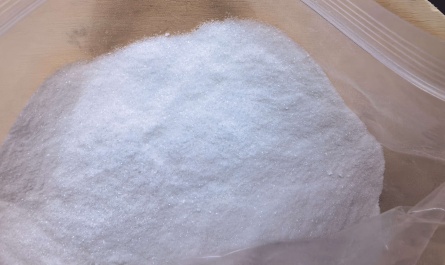
Forchlorfenuron with a purity of 99% is a high-grade phenylurea-based plant growth regulator (PGR) technical material. It serves primarily as a highly active cytokinin, used as a raw ingredient for formulating various commercial agricultural products designed to promote cell division, enhance fruit enlargement, and improve flower and fruit retention.
Core Applications of Forchlorfenuron
Key Raw Material for Formulation: At 99% purity, Forchlorfenuron is rarely applied directly in the field. Instead, it serves as an industrial technical material, processed and diluted into registered commercial formulations—such as 0.1% aqueous solutions or mixtures with Gibberellic Acid (GA3)—for use in agricultural production.
Highly Potent Growth-Regulating Base: Forchlorfenuron exhibits cytokinin activity 10 to 100 times greater than that of 6-benzylaminopurine (6-BA), allowing it to be effective at extremely low dosages. Using a high-purity technical material ensures precise control over the active ingredient concentration in the final formulation, minimizing the risk of phytotoxicity caused by impurities.
Primary Functions in Agricultural Production
Powerful Fruit Enlargement:Forchlorfenuron accelerates mitosis (cell division) in fruit tissues and promotes both lateral and longitudinal cell expansion. It is highly effective for increasing the size of crops such as grapes, kiwifruit, and watermelons; when used appropriately, it can increase the weight of individual fruits by more than 30%.
Effective Flower and Fruit Retention: Under adverse conditions—such as low temperatures or rainy weather—that hinder fertilization, Forchlorfenuron significantly improves fruit set and reduces the shedding of flowers and fruit. For cucurbit crops (melons, cucumbers, etc.), it can boost the fruit-setting rate to over 98%.
Quality Enhancement and Yield Increase:It promotes chlorophyll synthesis, delays leaf senescence, and enhances photosynthesis. This leads to higher levels of soluble solids and Vitamin C in the fruit, typically resulting in yield increases of 10% to 50% across various crops. Forchlorfenuron-Induced Seedless Fruit: This substance stimulates the development of unfertilized ovaries, enabling the production of seedless or near-seedless fruit in crops such as grapes and watermelons, thereby enhancing their commercial value.
Key Usage and Control Requirements
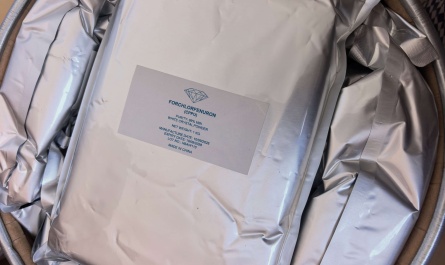
With a purity of 99%, technical-grade Forchlorfenuron is extremely potent. It must never be applied directly by mixing it with water. Instead, it must be diluted and processed into a low-concentration formulation in strict accordance with pesticide registration standards. Furthermore, the application concentration, timing, and frequency must be precisely controlled for each specific crop to prevent issues such as hollow fruit, fruit cracking, or a decline in flavor.
Core Applications of Forchlorfenuron
Key Raw Material for Formulation: At 99% purity, Forchlorfenuron is rarely applied directly in the field. Instead, it serves as an industrial technical material, processed and diluted into registered commercial formulations—such as 0.1% aqueous solutions or mixtures with Gibberellic Acid (GA3)—for use in agricultural production.
Highly Potent Growth-Regulating Base: Forchlorfenuron exhibits cytokinin activity 10 to 100 times greater than that of 6-benzylaminopurine (6-BA), allowing it to be effective at extremely low dosages. Using a high-purity technical material ensures precise control over the active ingredient concentration in the final formulation, minimizing the risk of phytotoxicity caused by impurities.
Primary Functions in Agricultural Production
Powerful Fruit Enlargement:Forchlorfenuron accelerates mitosis (cell division) in fruit tissues and promotes both lateral and longitudinal cell expansion. It is highly effective for increasing the size of crops such as grapes, kiwifruit, and watermelons; when used appropriately, it can increase the weight of individual fruits by more than 30%.
Effective Flower and Fruit Retention: Under adverse conditions—such as low temperatures or rainy weather—that hinder fertilization, Forchlorfenuron significantly improves fruit set and reduces the shedding of flowers and fruit. For cucurbit crops (melons, cucumbers, etc.), it can boost the fruit-setting rate to over 98%.
Quality Enhancement and Yield Increase:It promotes chlorophyll synthesis, delays leaf senescence, and enhances photosynthesis. This leads to higher levels of soluble solids and Vitamin C in the fruit, typically resulting in yield increases of 10% to 50% across various crops. Forchlorfenuron-Induced Seedless Fruit: This substance stimulates the development of unfertilized ovaries, enabling the production of seedless or near-seedless fruit in crops such as grapes and watermelons, thereby enhancing their commercial value.
Key Usage and Control Requirements
With a purity of 99%, technical-grade Forchlorfenuron is extremely potent. It must never be applied directly by mixing it with water. Instead, it must be diluted and processed into a low-concentration formulation in strict accordance with pesticide registration standards. Furthermore, the application concentration, timing, and frequency must be precisely controlled for each specific crop to prevent issues such as hollow fruit, fruit cracking, or a decline in flavor.