

How can herbicide injury be remedied?
With the modernization of agriculture, herbicides have played a vital and irreplaceable role in controlling farmland weeds and protecting agricultural production. However, improper use can hinder crop growth or even cause plants to wither and die. Additionally, some weeds develop resistance to herbicides, making control more difficult—a phenomenon also categorized under the broad scope of herbicide injury. In recent years, the range of affected crops and the scale of such incidents have increased, causing significant losses to agricultural production and becoming a major factor influencing herbicide application.
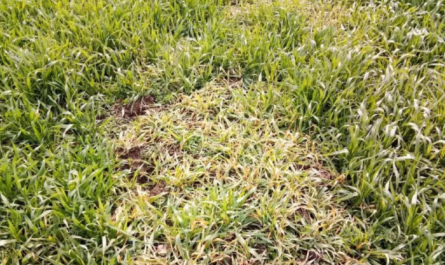
Herbicide injury in wheat; herbicide injury in tobacco.
Remedial measures for herbicide injury:
1. Water-washing method: After herbicide injury occurs, clean water can be sprayed on the foliage to wash away chemical residues, or the entire field can be irrigated to dilute the concentration of the herbicide in the soil and alleviate the damage. Typically, new leaves appear three days after washing, chlorotic (yellowed) leaves begin to regain color, and full recovery occurs within 7–10 days.
2. Fertilization method: Fertilization boosts crop resilience and provides the nutrients needed for recovery. Following herbicide injury, foliar sprays containing urea, ammonium nitrate, or potassium dihydrogen phosphate can be applied.
3. Plant growth regulator method: Plant growth regulators can enhance a crop's immune function. Upon the occurrence of herbicide injury, regulators such as Brassinolide, Sodium Nitrophenolate (Atonik), Diethyl aminoethyl hexanoate (DA-6), or Gibberellic Acid (GA3) can be sprayed immediately.
The above are common remedial measures for herbicide injury. In practical farming, these methods—such as fertilization and the application of plant growth regulators—can be combined based on the specific circumstances of the injury to achieve better mitigation results.
Herbicide injury in wheat; herbicide injury in tobacco.
Remedial measures for herbicide injury:
1. Water-washing method: After herbicide injury occurs, clean water can be sprayed on the foliage to wash away chemical residues, or the entire field can be irrigated to dilute the concentration of the herbicide in the soil and alleviate the damage. Typically, new leaves appear three days after washing, chlorotic (yellowed) leaves begin to regain color, and full recovery occurs within 7–10 days.
2. Fertilization method: Fertilization boosts crop resilience and provides the nutrients needed for recovery. Following herbicide injury, foliar sprays containing urea, ammonium nitrate, or potassium dihydrogen phosphate can be applied.
3. Plant growth regulator method: Plant growth regulators can enhance a crop's immune function. Upon the occurrence of herbicide injury, regulators such as Brassinolide, Sodium Nitrophenolate (Atonik), Diethyl aminoethyl hexanoate (DA-6), or Gibberellic Acid (GA3) can be sprayed immediately.
The above are common remedial measures for herbicide injury. In practical farming, these methods—such as fertilization and the application of plant growth regulators—can be combined based on the specific circumstances of the injury to achieve better mitigation results.