

Key Management Points During Wheat Grain-Filling Stage
The grain-filling stage is crucial for wheat yield formation. During this period, starch and converted proteins produced by wheat photosynthesis are stored in the wheat seed through assimilation. In May, winter wheat gradually enters the grain-filling stage. During this time, temperatures are high, transpiration is strong, and plant metabolism is vigorous. Therefore, management during the wheat grain-filling stage is critical for increasing wheat yield.
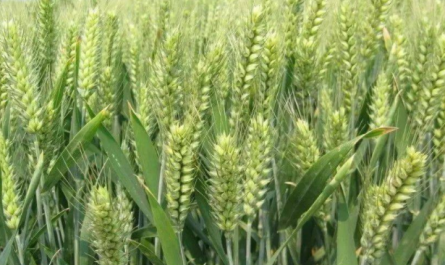
The grain-filling stage is a critical period for protecting roots and leaves, prolonging leaf function, preventing premature aging, increasing grain weight, and preventing natural disasters such as drought, waterlogging, wind, diseases, pests, and lodging. The following measures are recommended to increase yield:
1. Proper Irrigation During Grain Filling
The grain-filling stage is the final stage of wheat yield formation and has a significant impact on high wheat yields. If there is some rainfall during the grain-filling stage, irrigation may not be necessary; if rainfall is scarce, irrigation can be considered.
For wheat fields with large plant populations, excessive growth, and a risk of lodging, irrigation should be avoided as much as possible. Otherwise, if lodging occurs, the yield reduction will be greater, and the risk will be even higher. 1. Water lightly during the grain-filling stage, and pay attention to weather forecasts. Do not water before windy or rainy weather to avoid lodging.
2. Apply foliar fertilizer.
During the later stages of wheat growth, root absorption capacity weakens. Foliar fertilization can prolong the functional period of wheat leaves, improve photosynthesis, prevent disease and lodging, and reduce damage from hot, dry winds. A mixture of potassium dihydrogen phosphate and urea, with added amino acid-based foliar fertilizer, is recommended for foliar spraying. Repeat the spray every 7 days to increase thousand-grain weight and optimize quality.
3. Control pests and diseases.
The grain-filling stage of wheat is a peak period for various pests and diseases, and a crucial period for increasing thousand-grain weight. The main targets for control during this period include wheat aphids, powdery mildew, rust, Fusarium head blight, and leaf blight. When controlling wheat pests and diseases, different control techniques should be adopted according to the dynamics of pest and disease occurrence in the field to achieve multiple preventions with a single spray.
The grain-filling stage is a critical period for protecting roots and leaves, prolonging leaf function, preventing premature aging, increasing grain weight, and preventing natural disasters such as drought, waterlogging, wind, diseases, pests, and lodging. The following measures are recommended to increase yield:
1. Proper Irrigation During Grain Filling
The grain-filling stage is the final stage of wheat yield formation and has a significant impact on high wheat yields. If there is some rainfall during the grain-filling stage, irrigation may not be necessary; if rainfall is scarce, irrigation can be considered.
For wheat fields with large plant populations, excessive growth, and a risk of lodging, irrigation should be avoided as much as possible. Otherwise, if lodging occurs, the yield reduction will be greater, and the risk will be even higher. 1. Water lightly during the grain-filling stage, and pay attention to weather forecasts. Do not water before windy or rainy weather to avoid lodging.
2. Apply foliar fertilizer.
During the later stages of wheat growth, root absorption capacity weakens. Foliar fertilization can prolong the functional period of wheat leaves, improve photosynthesis, prevent disease and lodging, and reduce damage from hot, dry winds. A mixture of potassium dihydrogen phosphate and urea, with added amino acid-based foliar fertilizer, is recommended for foliar spraying. Repeat the spray every 7 days to increase thousand-grain weight and optimize quality.
3. Control pests and diseases.
The grain-filling stage of wheat is a peak period for various pests and diseases, and a crucial period for increasing thousand-grain weight. The main targets for control during this period include wheat aphids, powdery mildew, rust, Fusarium head blight, and leaf blight. When controlling wheat pests and diseases, different control techniques should be adopted according to the dynamics of pest and disease occurrence in the field to achieve multiple preventions with a single spray.