

Triacontanol is a plant growth promoter that significantly increases yields in various leafy and fruit vegetables
Triacontanol is a highly effective, broad-spectrum plant growth promoter that significantly increases yields in various leafy and fruit vegetables, with an average increase of approximately 10%. Triacontanol's mechanism of action involves enhancing the activity of polyphenol oxidase in plants, promoting photosynthesis, dry matter accumulation, and the absorption of mineral elements, thereby improving yield and quality.
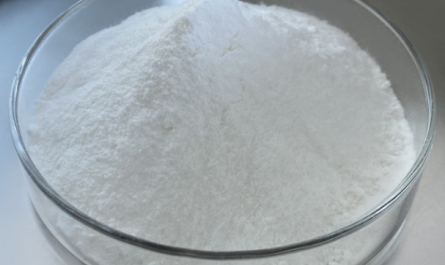
Main Application Methods of Triacontanol
1. Leafy Vegetables (e.g., celery, spinach, lettuce): Spraying the stems and leaves with a Triacontanol solution at a concentration of 0.5–1 mg/kg can promote plant growth and increase yield by more than 10%. For example, spraying celery every 10 days after transplanting, for a total of 3–4 times, can increase chlorophyll and vitamin C content.
2. Application of Triacontanol in Fruits and Vegetables (e.g., tomatoes, cucumbers, peppers)
Tomatoes: Spray 0.5 mg/kg Triacontanol solution once each during flowering and full bloom to increase fruit set by 20%–25%.
Cucumbers: Spray 0.5–1 mg/kg Triacontanol solution during seedling and flowering stages to increase yield by 16%–28% and promote early maturity.
Precautions
Concentration Control: Strictly adhere to the recommended concentration of Triacontanol to avoid phytotoxicity caused by excessive concentrations.
Spraying Timing: Spray in the morning or evening when there is no wind. If it rains within 6 hours after spraying, re-spray.
Compound Application Suggestions: Combining with fertilizers such as potassium dihydrogen phosphate can enhance the effect, but small-scale trials are necessary first.
Triacontanol has a faster-acting effect than brassinolide, but its residual effect is shorter. It should be used appropriately according to the crop's growth stage.
Main Application Methods of Triacontanol
1. Leafy Vegetables (e.g., celery, spinach, lettuce): Spraying the stems and leaves with a Triacontanol solution at a concentration of 0.5–1 mg/kg can promote plant growth and increase yield by more than 10%. For example, spraying celery every 10 days after transplanting, for a total of 3–4 times, can increase chlorophyll and vitamin C content.
2. Application of Triacontanol in Fruits and Vegetables (e.g., tomatoes, cucumbers, peppers)
Tomatoes: Spray 0.5 mg/kg Triacontanol solution once each during flowering and full bloom to increase fruit set by 20%–25%.
Cucumbers: Spray 0.5–1 mg/kg Triacontanol solution during seedling and flowering stages to increase yield by 16%–28% and promote early maturity.
Precautions
Concentration Control: Strictly adhere to the recommended concentration of Triacontanol to avoid phytotoxicity caused by excessive concentrations.
Spraying Timing: Spray in the morning or evening when there is no wind. If it rains within 6 hours after spraying, re-spray.
Compound Application Suggestions: Combining with fertilizers such as potassium dihydrogen phosphate can enhance the effect, but small-scale trials are necessary first.
Triacontanol has a faster-acting effect than brassinolide, but its residual effect is shorter. It should be used appropriately according to the crop's growth stage.
RECENT POSTS
-
13th National Plant Growth Regulator Industry Conference Held in Hebi Henan
-
Key Innovation Directions for Plant Hormone Technologies
-
Latest Growth Forecast for the Southeast Asian Plant Growth Regulator Market
-
Experiments have demonstrated excellent results using the plant hormone "Pineapple King" in Vietnamese pineapple cultivation
Featured News