

Methods for Effective Growth Control and High Yield in Sweet Potatoes
Sweet potatoes grow during the hot and rainy summer and autumn seasons. Under these high-temperature and high-humidity conditions, they are prone to excessive vegetative growth. If this growth is not controlled, it can lead to rapid stem and leaf growth, affecting the enlargement of the underground tubers, resulting in reduced yield and lower quality. So, how can we effectively control excessive growth during sweet potato cultivation?
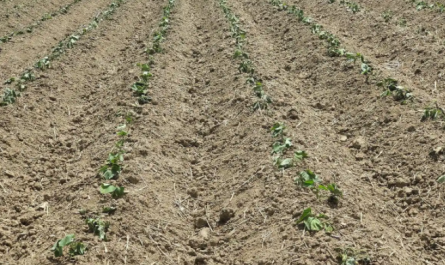
First, we need to understand the growth habits of sweet potatoes. Sweet potatoes are a crop that prefers warmth and sunlight, and is sensitive to waterlogging, drought, and cold temperatures. During stem and leaf growth, they are prone to excessive growth. Therefore, growth control is necessary during cultivation to ensure normal growth.
There are various methods for controlling sweet potato growth, including physical and chemical methods.
1. Water Control
In high-temperature and high-humidity environments, sweet potatoes are prone to excessive growth. During the sweet potato growing season, if there is rainfall or excessive water, it will lead to rapid stem and leaf growth, thus affecting the enlargement of the underground tubers. Therefore, during cultivation, attention should be paid to drainage and water control to maintain appropriate humidity.
2. Application of Growth Regulators
There are many growth regulators available on the market. The most commonly used include Paclobutrazol (Paclo), Mepiquat chloride, Chlormequat Chloride (CCC), and Prohexadione calcium. The concentration and application methods vary for different types of growth regulators. When sweet potato stems and leaves show excessive growth, you can use 30 ml of 25% Paclobutrazol or 30 ml of 10% Prohexadione calcium suspension, diluted with 20 kg of water, and sprayed evenly.
3. Manual Vine Turning
When the stems and leaves are large and the plants show a tendency for excessive growth, you can also choose the method of turning the vines to control growth. Generally, turning the vines every 20 days or so can effectively control excessive plant growth.
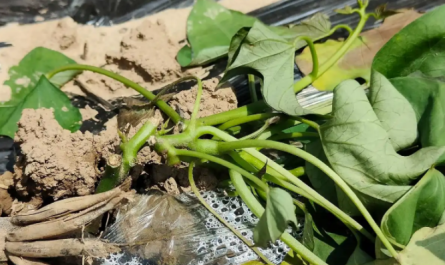
In addition to water and fertilizer control, other measures such as topping and pinching the sweet potato seedlings can be used to control their growth height and promote branching; in the later stages of sweet potato growth, measures such as vine turning and root pruning can be used to inhibit growth rate and promote root development.
First, we need to understand the growth habits of sweet potatoes. Sweet potatoes are a crop that prefers warmth and sunlight, and is sensitive to waterlogging, drought, and cold temperatures. During stem and leaf growth, they are prone to excessive growth. Therefore, growth control is necessary during cultivation to ensure normal growth.
There are various methods for controlling sweet potato growth, including physical and chemical methods.
1. Water Control
In high-temperature and high-humidity environments, sweet potatoes are prone to excessive growth. During the sweet potato growing season, if there is rainfall or excessive water, it will lead to rapid stem and leaf growth, thus affecting the enlargement of the underground tubers. Therefore, during cultivation, attention should be paid to drainage and water control to maintain appropriate humidity.
2. Application of Growth Regulators
There are many growth regulators available on the market. The most commonly used include Paclobutrazol (Paclo), Mepiquat chloride, Chlormequat Chloride (CCC), and Prohexadione calcium. The concentration and application methods vary for different types of growth regulators. When sweet potato stems and leaves show excessive growth, you can use 30 ml of 25% Paclobutrazol or 30 ml of 10% Prohexadione calcium suspension, diluted with 20 kg of water, and sprayed evenly.
3. Manual Vine Turning
When the stems and leaves are large and the plants show a tendency for excessive growth, you can also choose the method of turning the vines to control growth. Generally, turning the vines every 20 days or so can effectively control excessive plant growth.
In addition to water and fertilizer control, other measures such as topping and pinching the sweet potato seedlings can be used to control their growth height and promote branching; in the later stages of sweet potato growth, measures such as vine turning and root pruning can be used to inhibit growth rate and promote root development.
RECENT POSTS
-
13th National Plant Growth Regulator Industry Conference Held in Hebi Henan
-
Key Innovation Directions for Plant Hormone Technologies
-
Latest Growth Forecast for the Southeast Asian Plant Growth Regulator Market
-
Experiments have demonstrated excellent results using the plant hormone "Pineapple King" in Vietnamese pineapple cultivation
Featured News