

Why is the effectiveness of pesticides in the field sometimes poor?
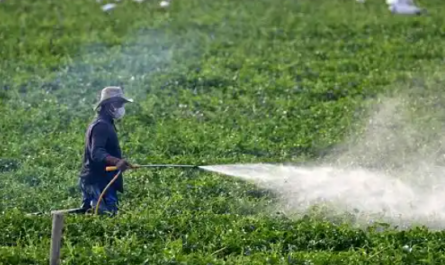
Currently, controlling crop diseases and pests still primarily relies on spraying pesticides. However, in practical production, it is common to encounter situations where the application of qualified pesticides does not yield satisfactory results. The reasons for this are as follows (7 points):
1. Incorrect Diagnosis:
Firstly, treating a disease as an insect infestation, or vice versa, leads to incorrect pesticide application. For example, misdiagnosing seedling death caused by tomato bacterial wilt as seedling death caused by root damage from underground pests will result in ineffective treatment, no matter how much pesticide is used.
Secondly, even with a correct diagnosis, the wrong pesticide is used. For example, using Jinggangmycin to control rice blast, using dicofol to control wheat aphids, or using cartap to control rice planthoppers will naturally be ineffective.
2. Missed Opportunity:
For pest control, applying pesticides during the peak egg-laying period of adult insects or before the larvae reach the 3rd instar is most effective. If the larvae are older than the 3rd instar, even large amounts of pesticide will not be effective.
3. Incorrect Dosage:
Using too much pesticide can cause phytotoxicity, while using too little will not achieve the goal of controlling diseases and pests. Therefore, it is essential to prepare the pesticide solution according to the instructions to obtain satisfactory control results.
4. Improper Mixing:
Mixing weakly acidic or neutral pesticides such as dimethoate, phoxim, and deltamethrin with alkaline pesticides such as lime sulfur will cause the pesticides to decompose and become ineffective; mixing alkaline pesticides like lime sulfur with Bordeaux mixture will produce excessive soluble copper, leading to phytotoxicity.
5. Blind Spraying:
Pesticides must be sprayed on the target areas to achieve ideal results. For example, to control sunflower sclerotinia rot, the pesticide should be applied to the field before the sclerotia germinate in the soil, based on the overwintering pattern of the sclerotia, for better control. Spraying the pesticide on the affected parts will be less effective. Rice blast and bacterial blight mainly affect the leaves, so the pesticide should be sprayed directly onto the leaves; to control cotton spider mites, the pesticide must be sprayed on the underside of the leaves to achieve good control. 6. Unfavorable Weather Conditions
The effectiveness of pesticides is closely related to meteorological factors such as temperature, humidity, rain, dew, wind, and sunlight. For example, when applying emulsifiable concentrate pesticides, the effect is best if there is no rain for at least 24 hours after spraying. For stomach poisons and contact insecticides, at least two days without rain are needed for the pesticides to be most effective. Therefore, spraying should be done during clear weather based on local weather forecasts.
7. Poor Quality of Application Equipment
The effectiveness of pesticides is also related to the spraying equipment used. High-quality spraying equipment saves pesticides, reduces labor, and improves efficacy.
1. Incorrect Diagnosis:
Firstly, treating a disease as an insect infestation, or vice versa, leads to incorrect pesticide application. For example, misdiagnosing seedling death caused by tomato bacterial wilt as seedling death caused by root damage from underground pests will result in ineffective treatment, no matter how much pesticide is used.
Secondly, even with a correct diagnosis, the wrong pesticide is used. For example, using Jinggangmycin to control rice blast, using dicofol to control wheat aphids, or using cartap to control rice planthoppers will naturally be ineffective.
2. Missed Opportunity:
For pest control, applying pesticides during the peak egg-laying period of adult insects or before the larvae reach the 3rd instar is most effective. If the larvae are older than the 3rd instar, even large amounts of pesticide will not be effective.
3. Incorrect Dosage:
Using too much pesticide can cause phytotoxicity, while using too little will not achieve the goal of controlling diseases and pests. Therefore, it is essential to prepare the pesticide solution according to the instructions to obtain satisfactory control results.
4. Improper Mixing:
Mixing weakly acidic or neutral pesticides such as dimethoate, phoxim, and deltamethrin with alkaline pesticides such as lime sulfur will cause the pesticides to decompose and become ineffective; mixing alkaline pesticides like lime sulfur with Bordeaux mixture will produce excessive soluble copper, leading to phytotoxicity.
5. Blind Spraying:
Pesticides must be sprayed on the target areas to achieve ideal results. For example, to control sunflower sclerotinia rot, the pesticide should be applied to the field before the sclerotia germinate in the soil, based on the overwintering pattern of the sclerotia, for better control. Spraying the pesticide on the affected parts will be less effective. Rice blast and bacterial blight mainly affect the leaves, so the pesticide should be sprayed directly onto the leaves; to control cotton spider mites, the pesticide must be sprayed on the underside of the leaves to achieve good control. 6. Unfavorable Weather Conditions
The effectiveness of pesticides is closely related to meteorological factors such as temperature, humidity, rain, dew, wind, and sunlight. For example, when applying emulsifiable concentrate pesticides, the effect is best if there is no rain for at least 24 hours after spraying. For stomach poisons and contact insecticides, at least two days without rain are needed for the pesticides to be most effective. Therefore, spraying should be done during clear weather based on local weather forecasts.
7. Poor Quality of Application Equipment
The effectiveness of pesticides is also related to the spraying equipment used. High-quality spraying equipment saves pesticides, reduces labor, and improves efficacy.