

Indole Acetic Acid (IAA) Application Methods
Indole Acetic Acid (IAA) Seed Soaking Treatment
Suitable for cereal crops such as rice and wheat.
Procedure: Soak seeds in a 0.3-0.8 ppm solution for 2 hours, then air dry before sowing.
Precautions: Maintain a solution temperature of 25-30℃. In low-temperature environments, extend the soaking time to 4 hours.
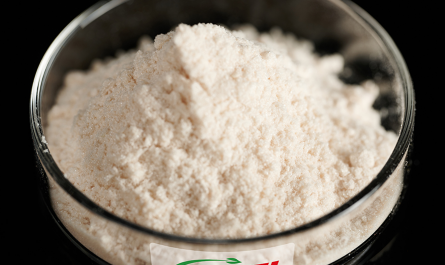
Indole Acetic Acid (IAA) Foliar Spray
Atomization Equipment Requirements: Droplet diameter ≤ 100 micrometers.
Optimal Time: After morning dew dries or in the evening 16:00-18:00.
Spraying Techniques: Focus on spraying the shoot tip growth point, avoiding periods of high temperature and strong sunlight.
Indole Acetic Acid (IAA) Root Drenching
Suitable for: Solanaceous and tuber crops.
Dilution Ratio: Add 10-15 mg of the active ingredient per liter of water.
Coordination Measures: Combine with cultivation and loosening of the soil to improve root absorption efficiency.
Suitable for cereal crops such as rice and wheat.
Procedure: Soak seeds in a 0.3-0.8 ppm solution for 2 hours, then air dry before sowing.
Precautions: Maintain a solution temperature of 25-30℃. In low-temperature environments, extend the soaking time to 4 hours.
Indole Acetic Acid (IAA) Foliar Spray
Atomization Equipment Requirements: Droplet diameter ≤ 100 micrometers.
Optimal Time: After morning dew dries or in the evening 16:00-18:00.
Spraying Techniques: Focus on spraying the shoot tip growth point, avoiding periods of high temperature and strong sunlight.
Indole Acetic Acid (IAA) Root Drenching
Suitable for: Solanaceous and tuber crops.
Dilution Ratio: Add 10-15 mg of the active ingredient per liter of water.
Coordination Measures: Combine with cultivation and loosening of the soil to improve root absorption efficiency.