

Water-soluble fertilizers and fertigation
Water-soluble fertilizers, containing the nutrients needed for crop growth, dissolve rapidly in water, and are easily absorbed by crops, are increasingly becoming the preferred fertilizer choice for farmers, and their application is gradually expanding from cash crops to field crops. Because water-soluble fertilizers are water-saving, fertilizer-saving, labor-saving, and yield-increasing, they perfectly meet the fertilizer requirements of water-saving agriculture's "fertigation," thus having a very broad development prospect. It is understood that my country's water-soluble fertilizer industry is currently in a critical period of transitioning from an auxiliary fertilizer to a primary fertilizer.
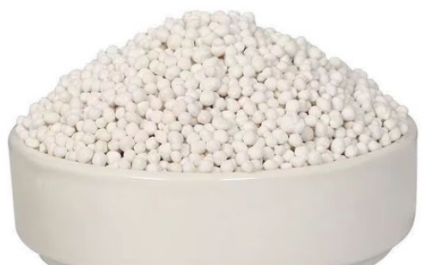
Fertigation technology is a new agricultural technology that integrates irrigation and fertilization. It involves dissolving solid, fast-acting fertilizers in water and applying the fertilizer through water. Generally, the fertilizer is dissolved and mixed in a water tank in the field, using water as a carrier to complete fertilization simultaneously with irrigation. The advantages of this technology are rapid fertilizer effect and improved nutrient utilization. It avoids the problems of volatilization loss, slow dissolution, and slow final fertilizer effect caused by applying fertilizer to dry topsoil. In particular, it avoids the volatilization loss of ammonium and urea nitrogen fertilizers applied to the soil surface, saving nitrogen fertilizer, benefiting environmental protection, and showing significant water-saving effects.
The irrigation fertilization system saves 50% to 70% of fertilizer compared to conventional fertilization, achieving the goal of good crop yield and quality. The advantages of this technology include rapid fertilizer effect, improved nutrient utilization, balanced and concentrated fertilization, reduced fertilizer volatilization and loss, and losses caused by nutrient excess. It also features convenient fertilization, timely fertilizer supply, easy crop absorption, and improved fertilizer utilization. Water-soluble fertilizers are characterized by water saving, fertilizer saving, labor saving, and increased yield.
Fertigation technology is a new agricultural technology that integrates irrigation and fertilization. It involves dissolving solid, fast-acting fertilizers in water and applying the fertilizer through water. Generally, the fertilizer is dissolved and mixed in a water tank in the field, using water as a carrier to complete fertilization simultaneously with irrigation. The advantages of this technology are rapid fertilizer effect and improved nutrient utilization. It avoids the problems of volatilization loss, slow dissolution, and slow final fertilizer effect caused by applying fertilizer to dry topsoil. In particular, it avoids the volatilization loss of ammonium and urea nitrogen fertilizers applied to the soil surface, saving nitrogen fertilizer, benefiting environmental protection, and showing significant water-saving effects.
The irrigation fertilization system saves 50% to 70% of fertilizer compared to conventional fertilization, achieving the goal of good crop yield and quality. The advantages of this technology include rapid fertilizer effect, improved nutrient utilization, balanced and concentrated fertilization, reduced fertilizer volatilization and loss, and losses caused by nutrient excess. It also features convenient fertilization, timely fertilizer supply, easy crop absorption, and improved fertilizer utilization. Water-soluble fertilizers are characterized by water saving, fertilizer saving, labor saving, and increased yield.
RECENT POSTS
-
13th National Plant Growth Regulator Industry Conference Held in Hebi Henan
-
Key Innovation Directions for Plant Hormone Technologies
-
Latest Growth Forecast for the Southeast Asian Plant Growth Regulator Market
-
Experiments have demonstrated excellent results using the plant hormone "Pineapple King" in Vietnamese pineapple cultivation
Featured News