

What measures should be taken to help crops recover after heavy snowfall and a drop in temperature?
After heavy snowfall and a drop in temperature, crops require a series of management measures to recover growth, prevent diseases, and minimize losses. Specific measures vary depending on the crop type and planting environment (such as open field or protected cultivation).
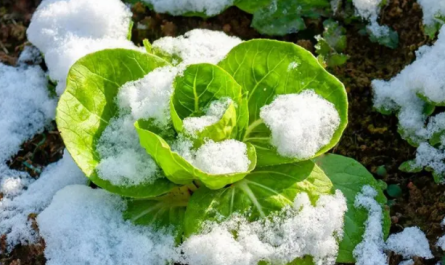
Crop Management in Protected Cultivation (e.g., vegetable greenhouses)
After heavy snowfall, crops in protected cultivation face risks such as insufficient light, high humidity, and sudden temperature changes. The following measures are crucial:
1. Timely snow removal:Remove snow from the greenhouse as soon as possible to prevent the structure from collapsing due to excessive weight.
2. Gradual ventilation and light exposure:When the weather clears after snowfall, avoid immediately removing all shading materials. Gradually increase light exposure to prevent acute wilting of plants due to direct sunlight. Avoid opening vents too wide to prevent sudden temperature drops.
3. Watering to alleviate wilting: If crops show signs of wilting, spray with clean water, 1% glucose solution, or 1% alginic acid solution to help the plants recover. Simultaneously, ventilate the greenhouse to reduce humidity, increase carbon dioxide concentration, and enhance the crop's cold resistance.
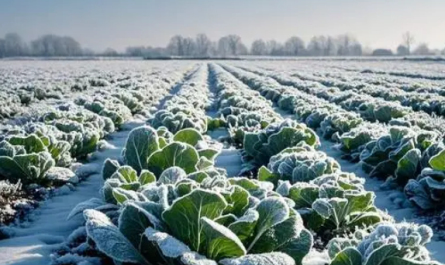
4. Disease control: High humidity in the greenhouse after snowfall can easily lead to diseases such as gray mold and bacterial diseases. Apply fumigants or micro-powder agents (such as iprodione and chlorothalonil fumigants) for control, avoiding the application of liquid pesticides in low-temperature and high-humidity conditions.
5. Rational fertilization: Apply humic acid, microbial fertilizers, or plant growth regulators such as brassinolide to promote root development and improve crop resistance.
Crop Management in Protected Cultivation (e.g., vegetable greenhouses)
After heavy snowfall, crops in protected cultivation face risks such as insufficient light, high humidity, and sudden temperature changes. The following measures are crucial:
1. Timely snow removal:Remove snow from the greenhouse as soon as possible to prevent the structure from collapsing due to excessive weight.
2. Gradual ventilation and light exposure:When the weather clears after snowfall, avoid immediately removing all shading materials. Gradually increase light exposure to prevent acute wilting of plants due to direct sunlight. Avoid opening vents too wide to prevent sudden temperature drops.
3. Watering to alleviate wilting: If crops show signs of wilting, spray with clean water, 1% glucose solution, or 1% alginic acid solution to help the plants recover. Simultaneously, ventilate the greenhouse to reduce humidity, increase carbon dioxide concentration, and enhance the crop's cold resistance.
4. Disease control: High humidity in the greenhouse after snowfall can easily lead to diseases such as gray mold and bacterial diseases. Apply fumigants or micro-powder agents (such as iprodione and chlorothalonil fumigants) for control, avoiding the application of liquid pesticides in low-temperature and high-humidity conditions.
5. Rational fertilization: Apply humic acid, microbial fertilizers, or plant growth regulators such as brassinolide to promote root development and improve crop resistance.