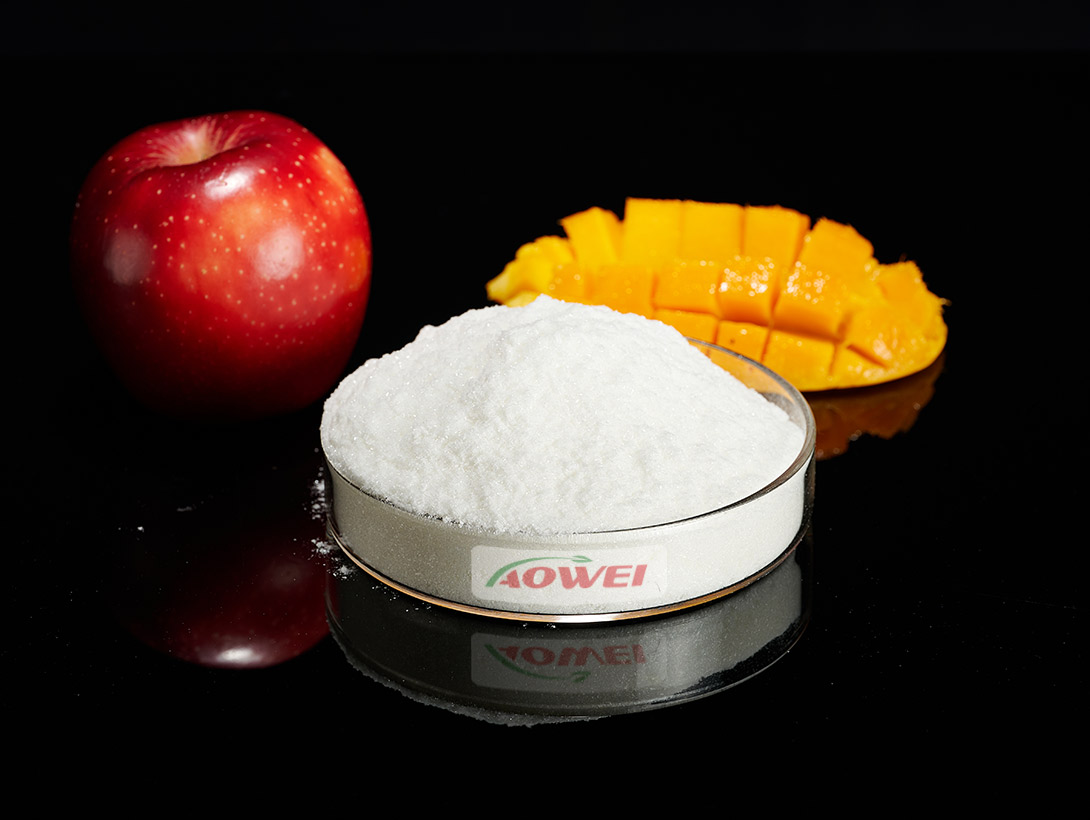
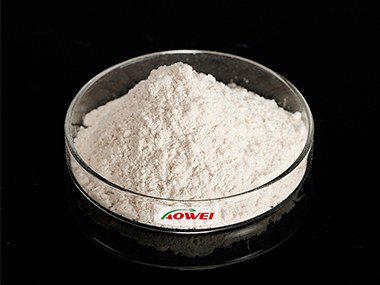
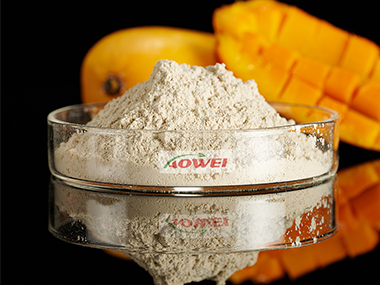
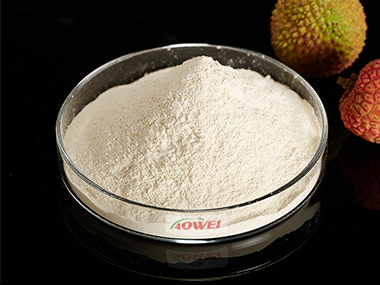
6-Benzylaminopurine (6-BA) is a cytokinin that promotes cell division and fruit enlargement, suitable for protecting flowers and fruits and increasing yield in fruit trees such as apples and citrus. Combining it with high-potassium fertilizers (such as chelated seaweed potassium fertilizer) can enhance its effects, but attention must be paid to the ratio and timing of application.
Applicable Crops and Key Periods: 6-Benzylaminopurine combined with high-potassium fertilizer is suitable for various fruit trees such as apples, citrus, peaches, and grapes, with a focus on application during the flowering and fruiting period.
Citrus: Spraying once after flowering, once during the young fruit stage, and once before fruit enlargement can reduce physiological fruit drop and promote fruit enlargement and sugar content.
Apple: Spraying during the initial flowering stage, full bloom stage, young fruit stage, and fruit enlargement stage can improve fruit set rate and fruit quality.
Other Fruit Trees: For example, when peach trees are more than 80% open, application can prevent flower and fruit drop and promote fruit enlargement. Compounding Methods and Precautions: High-potassium fertilizers (such as chelated seaweed potassium) should be mixed with 6-benzylaminopurine to enhance nutrient supply.
Example Citrus Formula: Spray twice after flowering. Add 10 ml of 2% 6-Benzylaminopurine aqueous solution, 30 ml of high-potassium fertilizer (such as chelated seaweed potassium), and 20 ml of seaweed boron per 15 liters of water to improve fruit set and fruit uniformity.
Apple Application: 6-BA·GA3 (a compound of 6-BA and GA3) products can be used, such as a 3.6% soluble concentrate diluted 800-1200 times. Spray during flowering and young fruit stages, focusing on the flower and fruit areas.