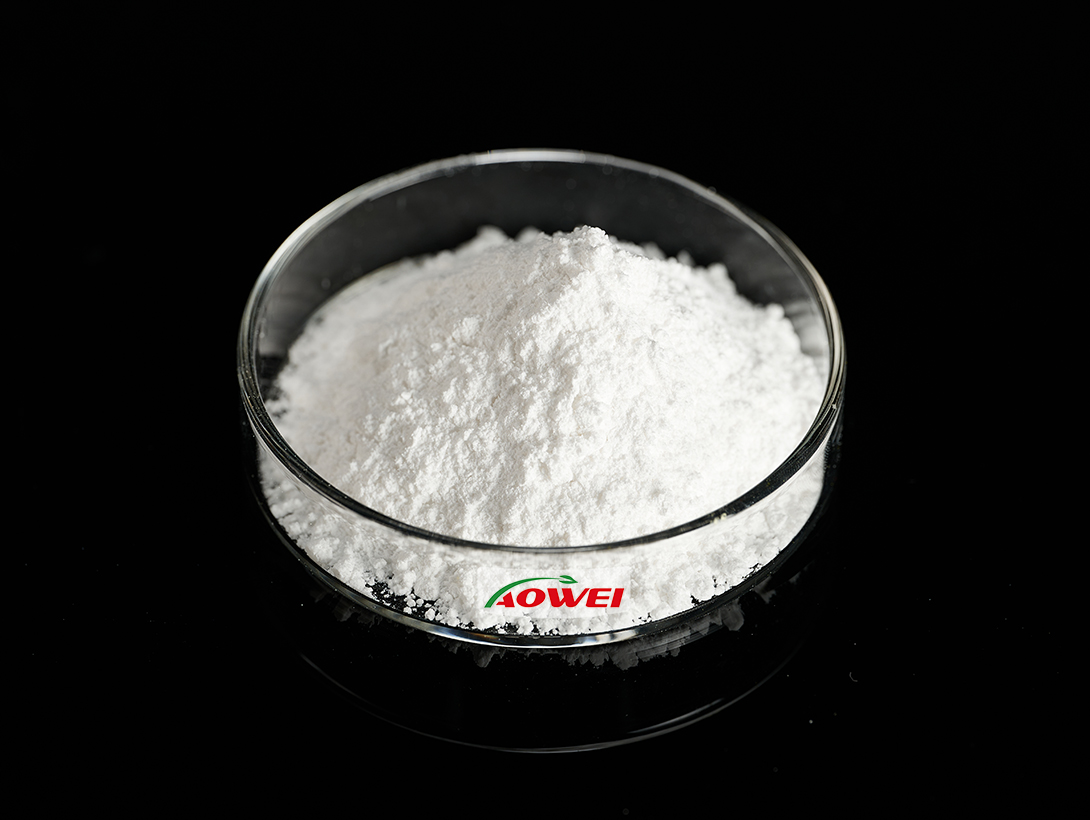
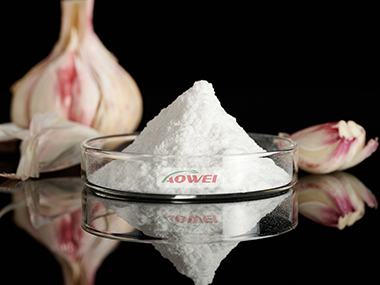
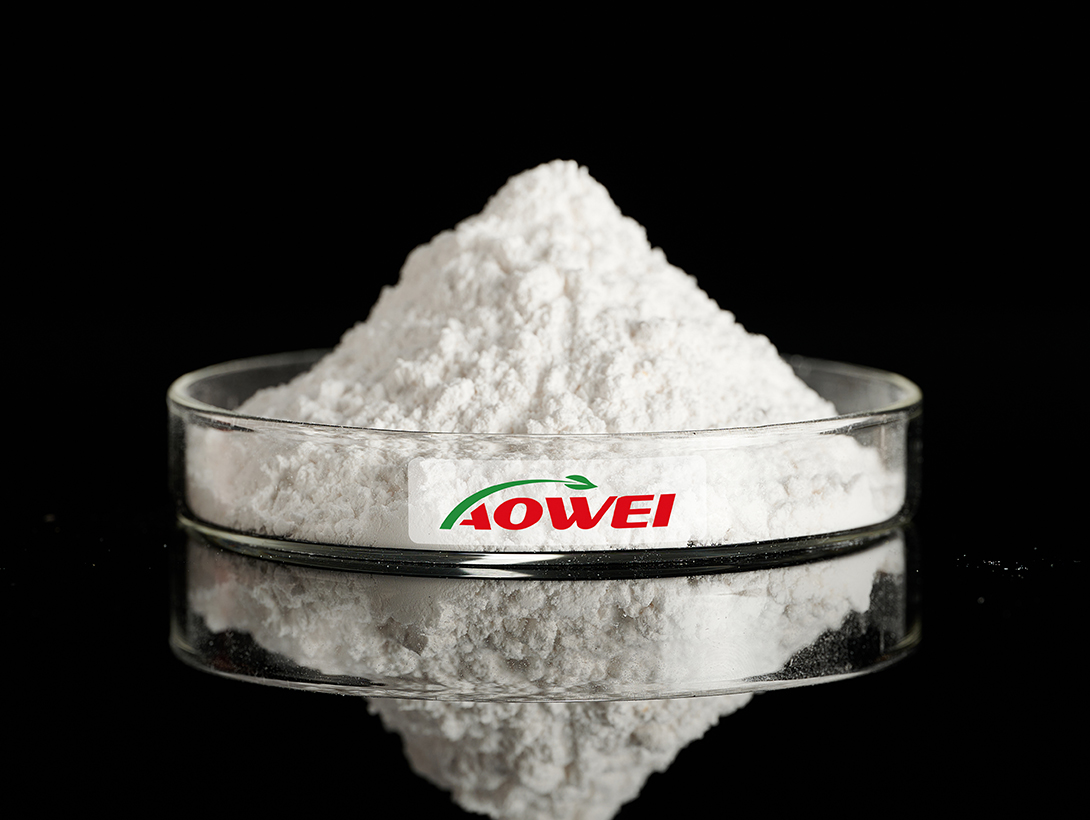
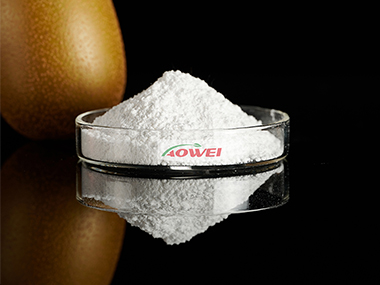
Mepiquat chloride is a mild, systemic plant growth regulator. Its primary function is to inhibit gibberellin synthesis, thereby regulating growth, promoting fruit and ear development, and increasing yields. Its applications and usage guidelines are as follows:
I. Key Functions of Mepiquat Chloride
Growth Regulation:It retards vegetative growth, resulting in shorter, sturdier, and more compact plants with shortened internodes. This significantly enhances lodging resistance while increasing leaf chlorophyll content and photosynthetic efficiency.
Fruit and Ear Development: It minimizes the wasteful consumption of nutrients and promotes their translocation to fruits and ears. This improves fruit set, leads to larger fruits and fuller grains, and reduces issues such as fruit drop and barren ears.
Quality and Yield Enhancement:When used at recommended dosages, it increases the thousand-grain weight and sugar content of crops, ultimately boosting yields. It is characterized by low toxicity and low residue, making it safe for use throughout the growth cycle of most crops.
II. Reference Usage for Major Crops
Cotton: Apply during the squaring (budding) and early flowering stages. Dilute 12–16 ml of the product per mu (approx. 0.067 hectares) in water and spray; maximum of 2 applications per season.
Corn:Apply during the stage when 6–13 leaves have fully expanded. Dilute 22.5–25 ml per mu in 15–30 kg of water and spray; single application only.
Grapes:Apply from 2–3 days before flowering until the onset of flowering. Spray the entire plant with a 500–750 mg/L solution to inhibit excessive shoot growth and improve fruit set.
Tomatoes/Cucurbits: Apply from the flowering to fruiting stages using a 100 mg/L solution; this balances the control of excessive vegetative growth with the promotion of fruit enlargement.