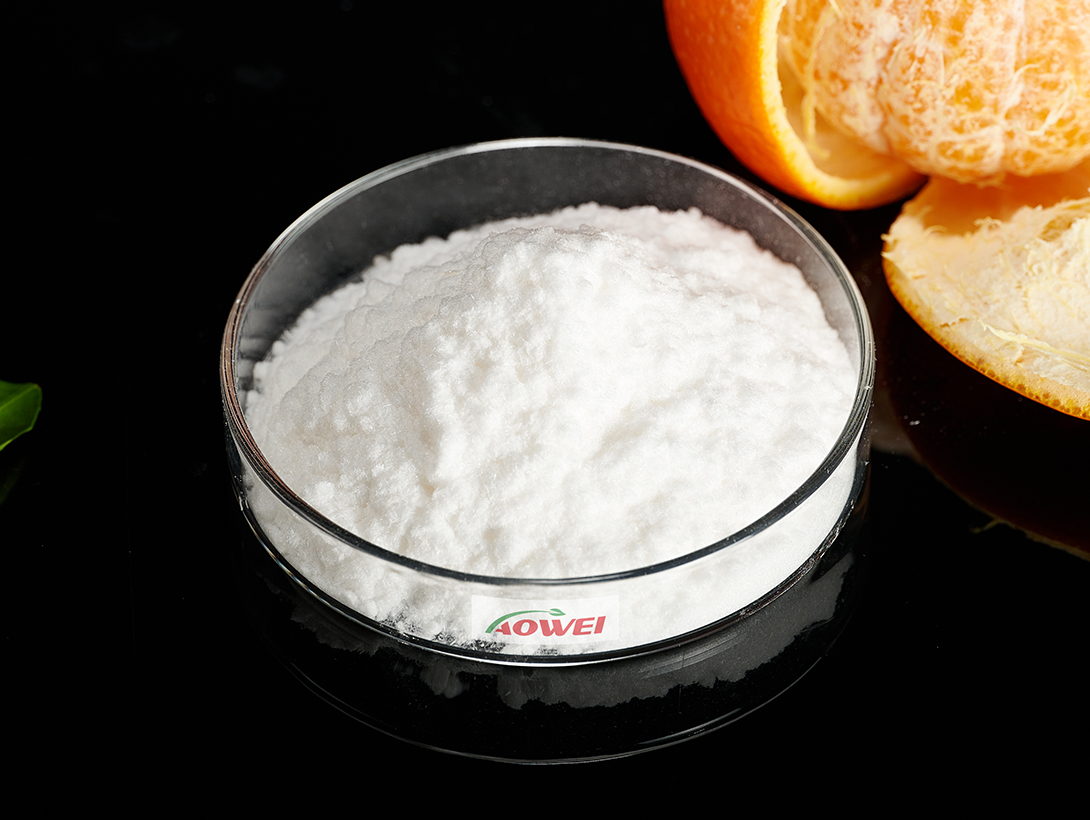
The use of Mepiquat chloride in tobacco cultivation is a common, safe growth regulation strategy that controls plant architecture, prevents excessive vegetative growth (leggy growth), and improves leaf quality by making the leaves thicker and more substantial.
I. Key Mechanisms of Action for Mepiquat Chloride on Tobacco
Controlling Plant Architecture and Preventing Excessive Growth: Mepiquat chloride inhibits gibberellin biosynthesis within the plant, slowing down cell and internode elongation. This prevents vertical overgrowth, resulting in a more compact plant structure and improved field ventilation and light penetration.
Promoting Leaf Thickening:Mepiquat chloride increases chlorophyll content and photosynthetic capacity, enhancing the accumulation of dry matter. This results in thicker leaves and increased individual leaf weight, while also reducing bottom-leaf scorching and the incidence of disease.
Optimizing Leaf Quality: Mepiquat chloride balances vegetative and reproductive growth, reducing the waste of nutrients. It promotes the accumulation of aroma compounds and oils within the leaves, ultimately enhancing their industrial usability and grade.
II. Recommended Application Protocol
Application Timing: Perform the first foliar spray of Mepiquat chloride 10–15 days after transplanting (once the seedlings have recovered) or at the early "cluster" stage (rosette stage). If soil fertility is high and the plants are growing too vigorously, a follow-up spray may be applied after an interval of 15–20 days.
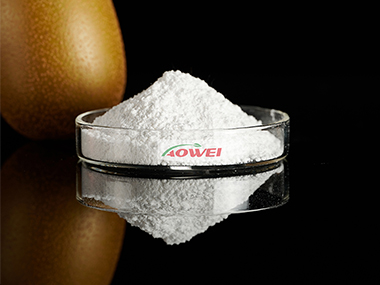
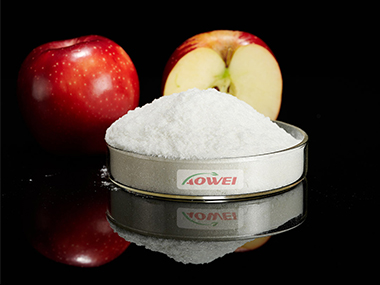
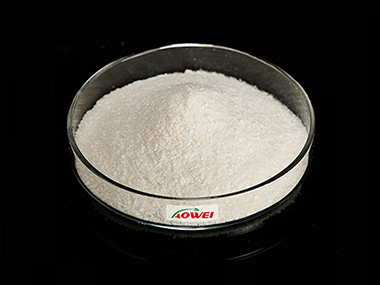
Reference Dosage: Use 1.5–2.5 grams of 98% Mepiquat chloride soluble powder per mu (approx. 0.067 hectares), mixed with 30 kg of water, and spray evenly over the stems and leaves.
Application Principles: Follow the principle of "higher concentration for vigorous growth, lower concentration for weak growth, and no application for weak seedlings," and avoid indiscriminately increasing the dosage.