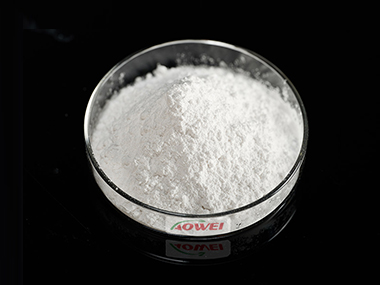
Applying Mepiquat chloride during the wheat jointing stage inhibits gibberellin synthesis, thereby shortening basal internodes and thickening stem walls. This controls excessive vegetative growth and prevents lodging while facilitating the transition from vegetative to reproductive growth. It promotes young spike development, improves the seed-setting rate and thousand-grain weight, and ultimately boosts both yield and quality.
**Scientific Application of Mepiquat chloride**
**Standalone application:** Apply 20–30 ml of Mepiquat chloride per mu, diluted in 30–50 kg of water, and spray evenly across the field.
**Synergistic combination:** It can be mixed with potassium dihydrogen phosphate to further strengthen stems and enhance stress resistance, while avoiding adverse reactions such as precipitation.
**Key Precautions for Mepiquat chloride**
**Strictly control the timing of application:** Spraying is recommended from one week prior to jointing through the early jointing stage. Application that is too late may inhibit young spike development or even cause heading difficulties.
**Follow the principle of "spray vigorous crops but not weak ones; spray moist fields but not dry ones":** Do not use on weak seedlings, in drought-stricken fields, or on poor soil, as this could negatively impact yield.
**Strictly avoid excessive dosage:** Overuse can cause wheat growth to stall and adversely affect young spike differentiation.