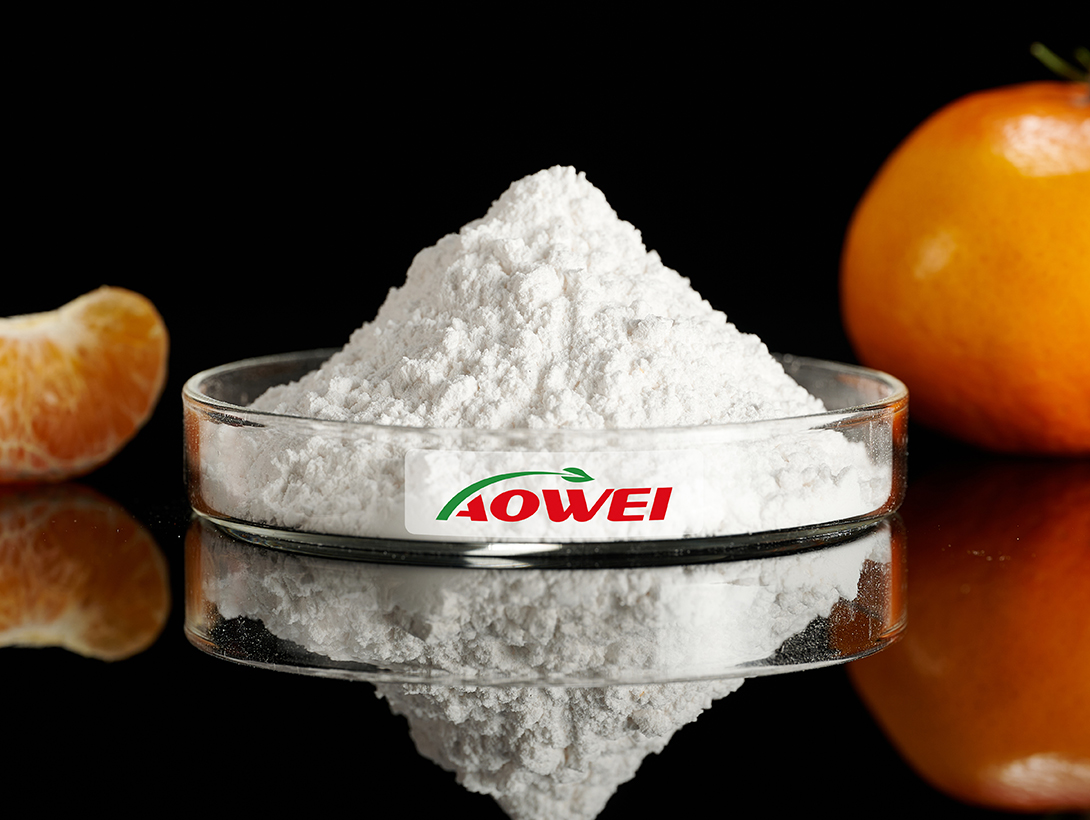
DCPTA is a non-hormonal plant growth regulator that effectively promotes tomato fruit enlargement, increases the content of Vitamin C and soluble sugars, and achieves a yield increase of 86–89%; its efficacy has been validated in numerous studies.
Core Mechanism of Action and Effects of DCPTA:
DCPTA Promotes Fruit Enlargement and Fruit Setting:
DCPTA enhances photosynthetic efficiency by activating the activity of enzymes within plant cell nuclei. This promotes the accumulation of proteins, nucleic acids, and dry matter, thereby significantly accelerating the rate of fruit cell division and expansion. When applied to tomatoes at a concentration of 10 ppm, DCPTA can increase the fruit setting rate by 100%, while notably increasing both individual fruit weight and fruit volume.
DCPTA Enhances Nutritional Quality:
Significant Increase in Vitamin C (VC) Content:DCPTA treatment strengthens the tomato's antioxidant system and promotes VC synthesis, thereby enhancing the nutritional value of the fruit.
11% Increase in Soluble Sugar Content:The accumulation of sugars improves fruit flavor and enhances marketability.
Doubling of Lycopene and Carotenoid Levels: This results in more vibrant fruit coloration and higher nutritional value.
DCPTA Significantly Increases Yield:
At a concentration of 10 ppm, DCPTA can boost tomato fruit yield by 86–89%. Simultaneously, the biomass of the leaves, stems, and roots increases by 16%, 11%, and 30%, respectively, resulting in more vigorous overall plant growth.
DCPTA Enhances Stress Tolerance:
Exogenous DCPTA improves the tolerance of tomato seedlings to adverse conditions—such as low temperatures and drought—by maintaining chlorophyll fluorescence characteristics and antioxidant enzyme activity, thereby mitigating the impact of environmental stress on yield.
DCPTA: Safe and Highly Effective:
As a non-hormonal regulator, DCPTA is non-toxic and leaves no residues. It can be safely tank-mixed with fertilizers, fungicides, and other agricultural inputs to improve fertilizer utilization efficiency without posing any risk of phytotoxicity.