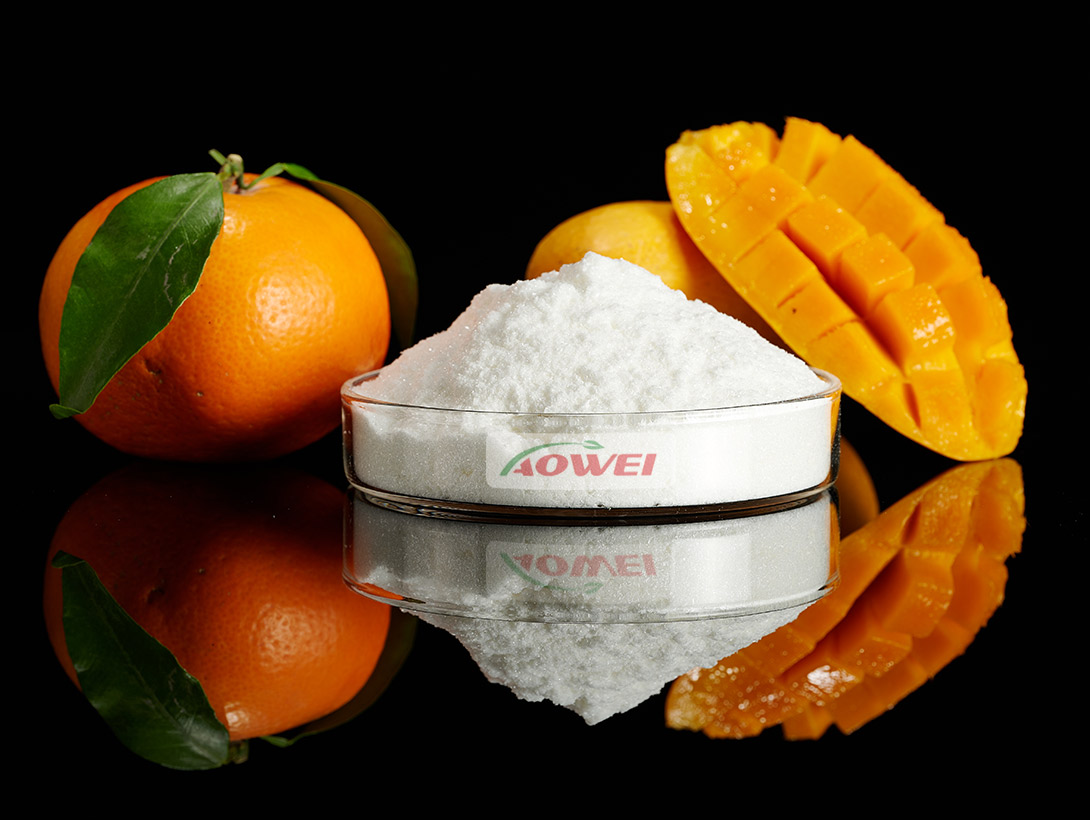
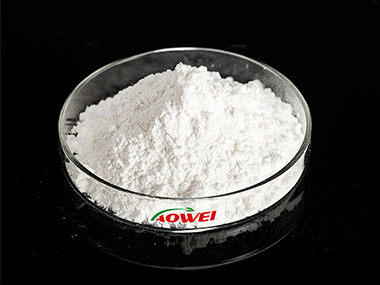
High-concentration Mepiquat chloride precisely regulates crop growth patterns. It excels at promoting balanced development and minimizing the wasteful consumption of nutrients, making it a highly efficient growth regulator in agricultural production.
I. Core Mechanism of Action
Mepiquat chloride works by precisely inhibiting the excessive synthesis of gibberellins, thereby preventing uncontrolled vegetative overgrowth (leggy growth) in stems and leaves. It redirects nutrients—which would otherwise be squandered on excessive shoots and unproductive internodes—toward the root system, reproductive organs, and fruit, achieving a harmonious balance between vegetative and reproductive growth.
II. Practical Application Value
Significantly reduces nutrient waste and prevents "leggy growth" (where plants produce abundant foliage but little fruit), ensuring that every unit of nutrients contributes to higher yields.
Shapes a compact, open plant architecture that improves field ventilation and light penetration, enhances overall photosynthetic efficiency, and further maximizes nutrient utilization.
Balances crop vigor, preventing localized overgrowth or uneven development; this ensures uniform growth across the field, facilitating consistent and efficient subsequent field management.
III. Key Precautions for Application
High-concentration Mepiquat chloride formulations must be diluted strictly according to recommended ratios, following the principle of "lighter application early on, heavier application later" and "small amounts applied frequently." Dosage may be adjusted for fields showing vigorous growth, while concentrations should be reduced or application postponed for fields with weak seedlings to avoid excessive inhibition that could hinder normal crop development.