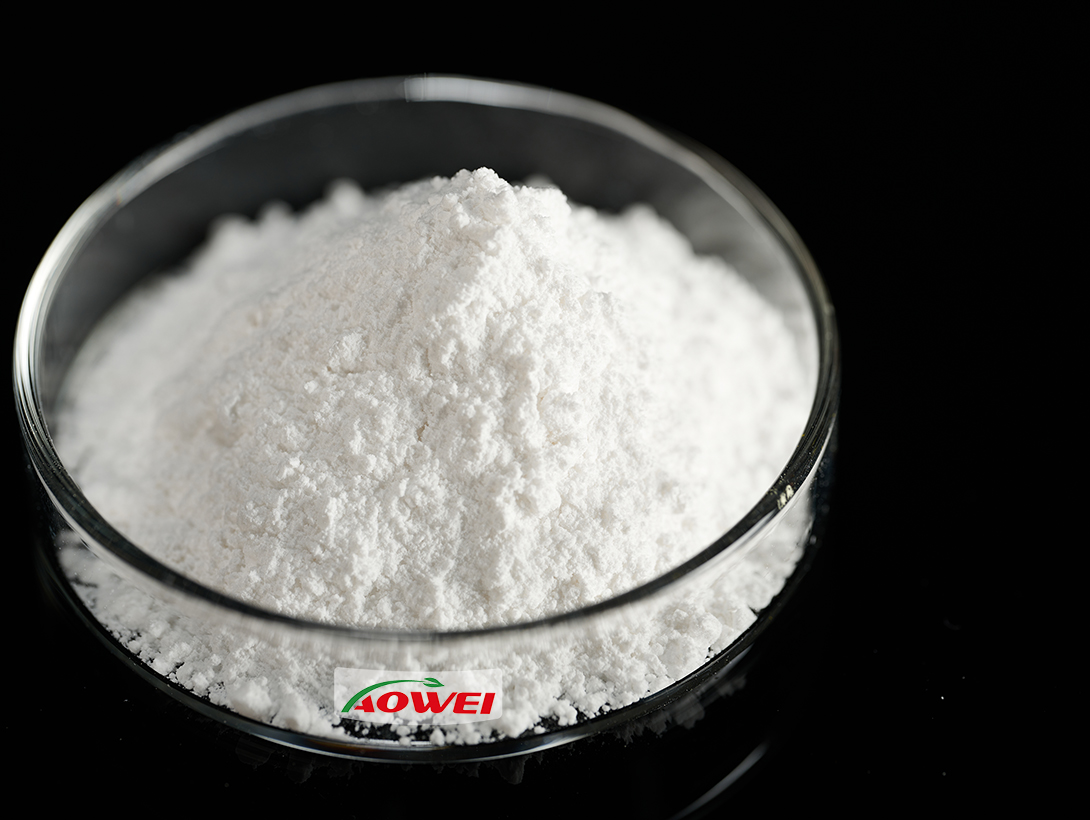
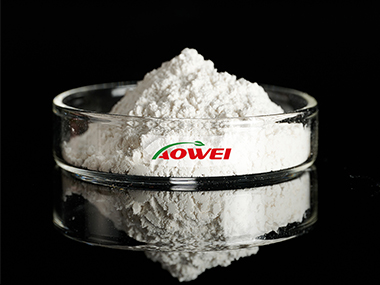
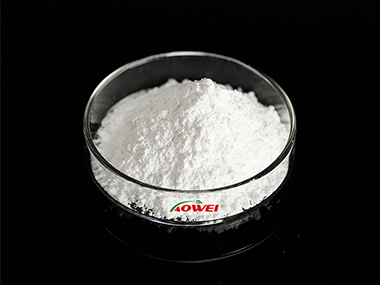
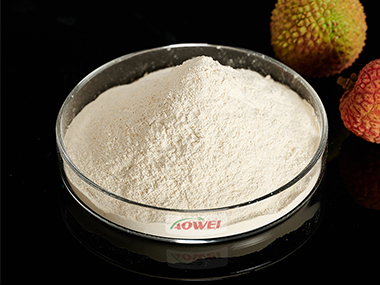
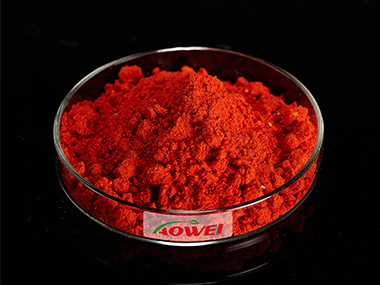
S-abscisic Acid effectively activates stress-resistance genes in rice, significantly enhancing its tolerance to drought, cold, and salinity-alkalinity, while also promoting root system development and increasing the number of effective tillers.
Acting as a "stress-resistance inducer" in plants, this substance triggers the rice plant's internal stress-resistance immune system by regulating the balance of endogenous hormones. Under drought stress, S-abscisic Acid induces stomatal closure to reduce water evaporation; simultaneously, it boosts the activity of protective enzymes—such as superoxide dismutase and catalase—to mitigate membrane lipid peroxidation damage and sustain photosynthetic activity.
In low-temperature environments, it induces the synthesis of cold-resistance proteins and enhances cell membrane stability, thereby reducing the rates of chlorosis and lodging caused by cold injury.
In saline-alkaline soils, S-abscisic Acid activates osmoregulation genes to bolster cellular osmotic adjustment capabilities, significantly improving the growth vigor of rice under high-salinity conditions.
Furthermore, S-abscisic Acid promotes increased root vitality. Treatment with a concentration of 0.5 mg/L has been shown to significantly enhance root vitality in tobacco; when applied analogously to rice, it demonstrates a similar root-promoting effect. Regarding tiller regulation, abscisic acid acts synergistically with strigolactones to suppress the formation of ineffective tillers while promoting the development of effective tillers, thereby optimizing plant architecture and boosting yield.
In practical applications, soaking seeds in a solution of 0.3–0.4 mg/L for 24 to 48 hours can significantly improve germination rates and seedling quality; foliar spraying during the "one-leaf-and-one-heart" to "two-leaves-and-one-heart" stages aids in seedling establishment and promotes tillering.