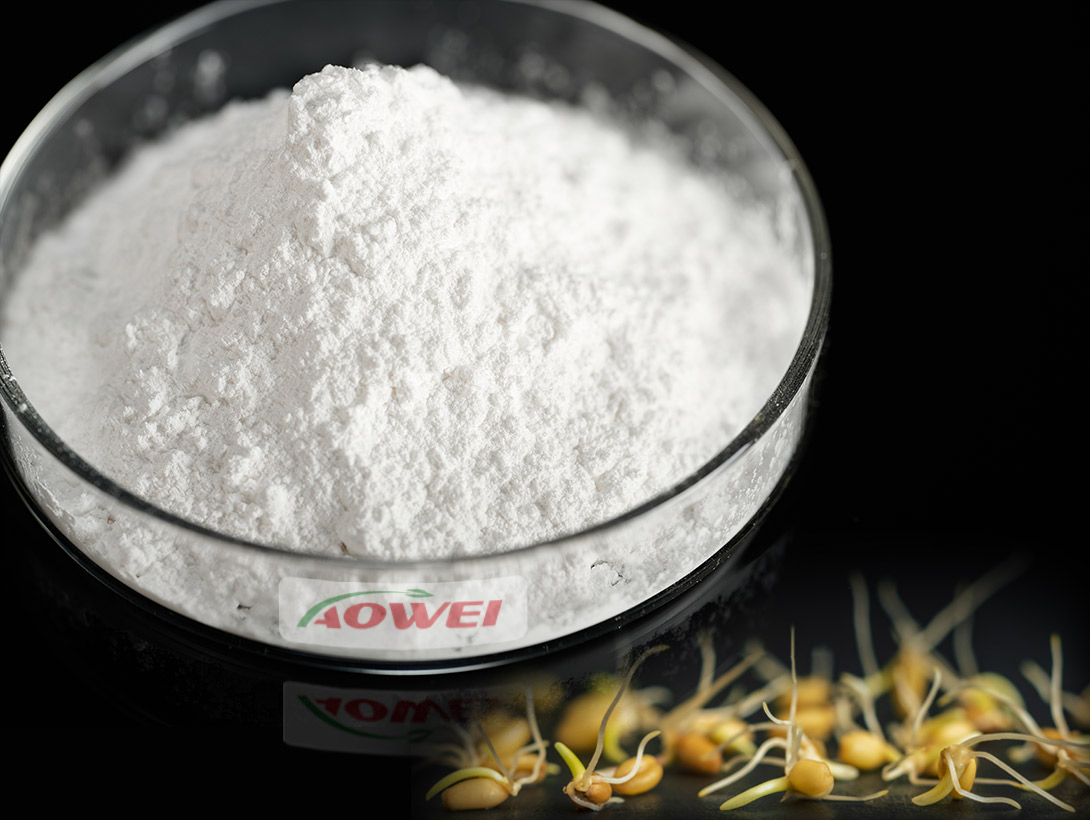
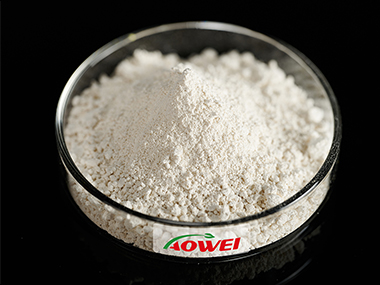
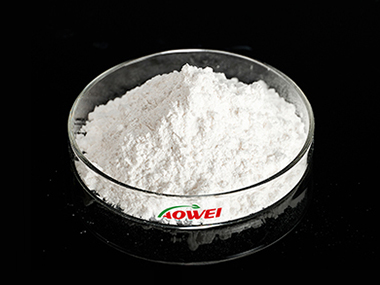
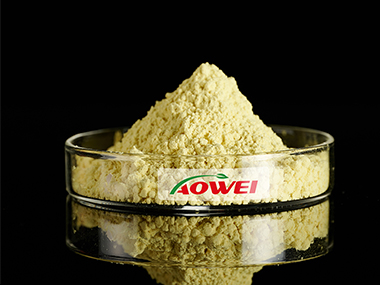
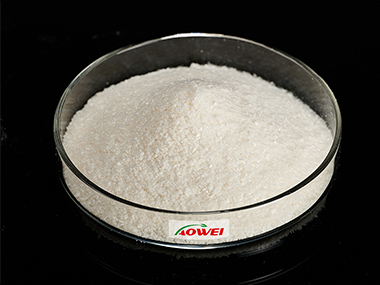
Zeatin is a naturally occurring, highly active cytokinin-type plant growth regulator. It demonstrates clear and potent effects across three core areas: promoting cell division, facilitating bud differentiation, and increasing fruit set rates.
Core Mechanism of Zeatin in Promoting Cell Division
Zeatin was the first natural cytokinin isolated from sweet corn kernels during the grain-filling stage. It directly regulates the expression of genes associated with the cell cycle, specifically promoting cytoplasmic division and accelerating the proliferation of plant meristematic tissue at the source.
It activates cytokinin receptor signaling pathways within plant cells; even at low concentrations, it significantly boosts cell division activity and maintains the sustained vitality of meristematic tissues. Additionally, zeatin inhibits the degradation of chlorophyll and proteins, slows respiration, preserves cell viability, and delays the overall senescence process of the plant.
Application Characteristics of Zeatin in Promoting Bud Differentiation**
Whether in plant tissue culture or field cultivation, zeatin efficiently induces bud formation and development, breaks apical dominance, and promotes the sprouting of lateral buds.
In tissue culture settings, when used in combination with auxins at concentrations of 0.5–2.0 mg/L, zeatin significantly promotes the differentiation of adventitious buds from callus tissue, substantially increasing bud induction rates. High concentrations of zeatin can directly induce adventitious bud differentiation and are widely used for bud proliferation in tissue culture systems for model plants such as tobacco, *Arabidopsis thaliana*, and rice. In field applications, it stimulates the growth of lateral buds and tillers, increasing the number of productive branches; spraying crops like rice and wheat during the booting stage promotes panicle differentiation and increases the number of grains per panicle.