

An Analysis of Fruit Coloration Mechanisms and Strategies for High-Quality Color Development
Fruit coloration is a key indicator of maturity; the surface color and the uniformity of this color largely determine the fruit's final market value and the farmer's economic returns. Farmers are keenly interested in methods to achieve safe, rapid, and uniform coloration, as well as enhanced sweetness and quality, to facilitate early market entry.
I. Mechanisms of Fruit Color Formation
Fruit color comprises both the ground color and the surface color; the process of "fruit coloration" typically refers to the development of the surface color. Three main classes of pigments are involved in the color changes that occur during fruit ripening: chlorophylls, carotenoids, and anthocyanins.
Yellow or orange fruits: Their coloration is linked to the accumulation of carotenoids. As the fruit enters the ripening stage, chlorophyll breakdown accelerates while its synthesis slows down, causing the green color of the skin to fade; simultaneously, carotenoid synthesis in the skin increases, resulting in a yellow or orange appearance (e.g., the color change in citrus).
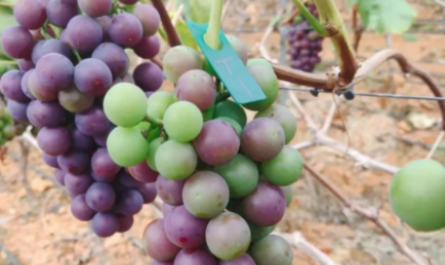
Purple or red fruits: Their coloration is closely associated with the accumulation of anthocyanins; the timing and quantity of anthocyanin synthesis play a decisive role in the onset and intensity of the red or purple coloration.
II. Factors Influencing Fruit Coloration
Under normal conditions, influenced by both external factors (light, temperature, moisture, etc.) and internal factors (hormone levels, soluble sugar content, mineral elements, etc.), chlorophyll in ripening fruit breaks down—with some converting into carotenoids—and anthocyanins begin to accumulate rapidly, resulting in vibrant fruit colors.
1. Impact of external factors on coloration
(1) Light: Adequate light is a crucial factor in the synthesis of carotenoids and anthocyanins. Fruits ripened in total darkness can mature normally but fail to synthesize anthocyanins. Coloration is optimal when light intensity exceeds 70% of full natural sunlight; when light intensity falls below this 70% threshold, anthocyanin content increases in correlation with rising light intensity.
(2) Temperature: The diurnal temperature difference (the difference between day and night temperatures) significantly affects the synthesis of carotenoids and anthocyanins. Within a certain range, higher daytime temperatures enhance photosynthesis and increase carbohydrate accumulation; conversely, lower nighttime temperatures reduce respiration and consumption—thereby relatively increasing carbohydrate accumulation—which provides the essential material basis for the synthesis of carotenoids and anthocyanins.
(3) Moisture: Moderate water deficit during the color-change stage promotes the conversion of carbohydrates into soluble sugars, which aids coloration; additionally, moderate water deficit facilitates the breakdown and transformation of chloroplasts, thereby accelerating the color-change process.
2. Influence of internal factors on coloration
(1) Hormone levels: Ethylene promotes the breakdown of chlorophyll and the formation of carotenoids and anthocyanins, thereby facilitating fruit coloration; abscisic acid is a key trigger for anthocyanin formation.
(2) Soluble sugar content: Both anthocyanins and carotenoids are sugar metabolites; fruit can only undergo normal color change when sugar levels reach a certain concentration. For instance, 'Red Fuji' apples cannot synthesize anthocyanins when sugar content is below 10%, whereas they exhibit excellent coloration at 17% sugar content.
(3) Mineral elements: High nitrogen levels hinder sugar accumulation and inhibit anthocyanin synthesis, making color development difficult. Phosphorus benefits fruit coloration by providing the energy required for anthocyanin formation and stabilization, thereby promoting color change. Potassium ions act as activators for enzymes involved in fruit sugar metabolism; they promote both sugar accumulation within the fruit and the transport of sugars from leaves and shoots to the fruit, thereby increasing sugar content and providing the necessary material basis for anthocyanin synthesis. Calcium can enhance the sugar content and aroma of the fruit. Magnesium deficiency reduces chlorophyll levels, impairing photosynthesis and hindering sugar accumulation. Boron promotes sugar transport and the synthesis of cell wall pectins; it facilitates the formation of aromatic compounds and improves both fruit sugar content and storage quality. III. Issues Encountered During Production
Farmers frequently encounter difficulties with color development or uneven coloring when growing crops such as citrus, grapes, apples, tomatoes, and strawberries.
The primary causes include:
(1) Excessive crop load leading to insufficient nutrient supply, resulting in immature fruit and low soluble sugar content;
(2) Improper fertilization: excessive nitrogen application during the late growth stage, coupled with insufficient use of phosphorus, potassium, and calcium;
(3) Poor ventilation and light penetration: excessive planting density causing foliage to overlap and block light;
IV. Recommendations for Promoting Color Development
To address these issues, the following measures are recommended:
(1) Determine an appropriate crop load based on tree vigor, soil conditions, and fertilization levels to avoid blindly pursuing excessive yields;
(2) Improve light exposure and orchard ventilation through pruning to enhance light penetration and promote better coloration;
(3) Manage irrigation rationally: moderately restrict water supply during the color-change period and avoid heavy flood irrigation;
(4) Apply fertilizer scientifically: limit nitrogen while increasing phosphorus, potassium, and secondary/micro-nutrients once color change begins; apply natural color-enhancing products via foliar spray to promote coloration while also facilitating sugar accumulation.
I. Mechanisms of Fruit Color Formation
Fruit color comprises both the ground color and the surface color; the process of "fruit coloration" typically refers to the development of the surface color. Three main classes of pigments are involved in the color changes that occur during fruit ripening: chlorophylls, carotenoids, and anthocyanins.
Yellow or orange fruits: Their coloration is linked to the accumulation of carotenoids. As the fruit enters the ripening stage, chlorophyll breakdown accelerates while its synthesis slows down, causing the green color of the skin to fade; simultaneously, carotenoid synthesis in the skin increases, resulting in a yellow or orange appearance (e.g., the color change in citrus).
Purple or red fruits: Their coloration is closely associated with the accumulation of anthocyanins; the timing and quantity of anthocyanin synthesis play a decisive role in the onset and intensity of the red or purple coloration.
II. Factors Influencing Fruit Coloration
Under normal conditions, influenced by both external factors (light, temperature, moisture, etc.) and internal factors (hormone levels, soluble sugar content, mineral elements, etc.), chlorophyll in ripening fruit breaks down—with some converting into carotenoids—and anthocyanins begin to accumulate rapidly, resulting in vibrant fruit colors.
1. Impact of external factors on coloration
(1) Light: Adequate light is a crucial factor in the synthesis of carotenoids and anthocyanins. Fruits ripened in total darkness can mature normally but fail to synthesize anthocyanins. Coloration is optimal when light intensity exceeds 70% of full natural sunlight; when light intensity falls below this 70% threshold, anthocyanin content increases in correlation with rising light intensity.
(2) Temperature: The diurnal temperature difference (the difference between day and night temperatures) significantly affects the synthesis of carotenoids and anthocyanins. Within a certain range, higher daytime temperatures enhance photosynthesis and increase carbohydrate accumulation; conversely, lower nighttime temperatures reduce respiration and consumption—thereby relatively increasing carbohydrate accumulation—which provides the essential material basis for the synthesis of carotenoids and anthocyanins.
(3) Moisture: Moderate water deficit during the color-change stage promotes the conversion of carbohydrates into soluble sugars, which aids coloration; additionally, moderate water deficit facilitates the breakdown and transformation of chloroplasts, thereby accelerating the color-change process.
2. Influence of internal factors on coloration
(1) Hormone levels: Ethylene promotes the breakdown of chlorophyll and the formation of carotenoids and anthocyanins, thereby facilitating fruit coloration; abscisic acid is a key trigger for anthocyanin formation.
(2) Soluble sugar content: Both anthocyanins and carotenoids are sugar metabolites; fruit can only undergo normal color change when sugar levels reach a certain concentration. For instance, 'Red Fuji' apples cannot synthesize anthocyanins when sugar content is below 10%, whereas they exhibit excellent coloration at 17% sugar content.
(3) Mineral elements: High nitrogen levels hinder sugar accumulation and inhibit anthocyanin synthesis, making color development difficult. Phosphorus benefits fruit coloration by providing the energy required for anthocyanin formation and stabilization, thereby promoting color change. Potassium ions act as activators for enzymes involved in fruit sugar metabolism; they promote both sugar accumulation within the fruit and the transport of sugars from leaves and shoots to the fruit, thereby increasing sugar content and providing the necessary material basis for anthocyanin synthesis. Calcium can enhance the sugar content and aroma of the fruit. Magnesium deficiency reduces chlorophyll levels, impairing photosynthesis and hindering sugar accumulation. Boron promotes sugar transport and the synthesis of cell wall pectins; it facilitates the formation of aromatic compounds and improves both fruit sugar content and storage quality. III. Issues Encountered During Production
Farmers frequently encounter difficulties with color development or uneven coloring when growing crops such as citrus, grapes, apples, tomatoes, and strawberries.
The primary causes include:
(1) Excessive crop load leading to insufficient nutrient supply, resulting in immature fruit and low soluble sugar content;
(2) Improper fertilization: excessive nitrogen application during the late growth stage, coupled with insufficient use of phosphorus, potassium, and calcium;
(3) Poor ventilation and light penetration: excessive planting density causing foliage to overlap and block light;
IV. Recommendations for Promoting Color Development
To address these issues, the following measures are recommended:
(1) Determine an appropriate crop load based on tree vigor, soil conditions, and fertilization levels to avoid blindly pursuing excessive yields;
(2) Improve light exposure and orchard ventilation through pruning to enhance light penetration and promote better coloration;
(3) Manage irrigation rationally: moderately restrict water supply during the color-change period and avoid heavy flood irrigation;
(4) Apply fertilizer scientifically: limit nitrogen while increasing phosphorus, potassium, and secondary/micro-nutrients once color change begins; apply natural color-enhancing products via foliar spray to promote coloration while also facilitating sugar accumulation.
RECENT POSTS
-
What is the purpose of COA (Certificate of Analysis) verification for plant growth regulators?
-
How do you evaluate the effectiveness of plant growth regulators?
-
Preparation and Application Protocol for Gibberellic Acid GA3 90% TC to Break Dormancy and Promote Rooting and Germination
-
Precise Dilution and Application Guidelines for Diethyl Aminoethyl Hexanoate DA-6 98% TC
Featured News