

Applications of Sodium 1-Naphthyl Acetate in Fruit Tree Fruit Retention Techniques
The application of Sodium 1-Naphthyl Acetate in fruit tree fruit retention techniques primarily encompasses the following aspects:
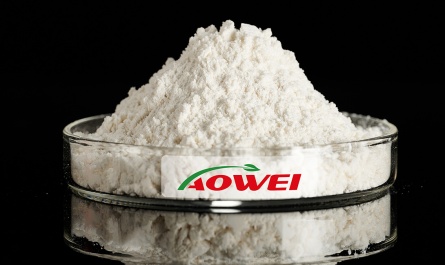
Preventing Fruit Drop: Sodium 1-Naphthyl Acetate effectively reduces the rate of fruit drop by delaying the formation of the abscission layer and reducing ethylene production. Experimental studies indicate that proper application can reduce physiological fruit drop by 30–50%. For crops such as apples, pears, and mangoes, spraying the tree canopy with a Sodium 1-Naphthyl Acetate solution 6–14 days prior to the anticipated fruit drop period effectively prevents pre-harvest fruit drop and improves fruit coloration.
Promoting Rooting:Treating apple cuttings with Sodium 1-Naphthyl Acetate powder promotes the rooting of hardwood cuttings and significantly increases their survival rate.
Flower and Fruit Thinning:Foliar application of a Na-NAA solution can help mitigate the phenomenon of "biennial bearing" (alternate bearing). For crops such as apples, peaches, pears, and citrus, the solution is applied during the full bloom stage or 2–8 days after petal fall; for grapes, application to the vines during the flowering or fruit-setting stage helps to loosen the fruit clusters.
Growth Inhibition at High Concentrations: High concentrations of Na-NAA can inhibit the vegetative growth of fruit trees; for instance, it can be used to treat vigorous "water sprouts" or root suckers on apple trees to control their elongation.
Promoting Flowering and Fruit Development:Once vegetative growth has ceased and flower bud formation has begun, spraying with a Na-NAA solution can promote flower bud differentiation, thereby increasing both the quantity and weight of the fruit yield.
Application of Compound Formulations:Formulations combining Sodium Nitrophenolates with Na-NAA offer rapid efficacy and demonstrate excellent performance in preserving both flowers and fruit; consequently, they have become a widely utilized category of plant growth regulators.
Preventing Fruit Drop: Sodium 1-Naphthyl Acetate effectively reduces the rate of fruit drop by delaying the formation of the abscission layer and reducing ethylene production. Experimental studies indicate that proper application can reduce physiological fruit drop by 30–50%. For crops such as apples, pears, and mangoes, spraying the tree canopy with a Sodium 1-Naphthyl Acetate solution 6–14 days prior to the anticipated fruit drop period effectively prevents pre-harvest fruit drop and improves fruit coloration.
Promoting Rooting:Treating apple cuttings with Sodium 1-Naphthyl Acetate powder promotes the rooting of hardwood cuttings and significantly increases their survival rate.
Flower and Fruit Thinning:Foliar application of a Na-NAA solution can help mitigate the phenomenon of "biennial bearing" (alternate bearing). For crops such as apples, peaches, pears, and citrus, the solution is applied during the full bloom stage or 2–8 days after petal fall; for grapes, application to the vines during the flowering or fruit-setting stage helps to loosen the fruit clusters.
Growth Inhibition at High Concentrations: High concentrations of Na-NAA can inhibit the vegetative growth of fruit trees; for instance, it can be used to treat vigorous "water sprouts" or root suckers on apple trees to control their elongation.
Promoting Flowering and Fruit Development:Once vegetative growth has ceased and flower bud formation has begun, spraying with a Na-NAA solution can promote flower bud differentiation, thereby increasing both the quantity and weight of the fruit yield.
Application of Compound Formulations:Formulations combining Sodium Nitrophenolates with Na-NAA offer rapid efficacy and demonstrate excellent performance in preserving both flowers and fruit; consequently, they have become a widely utilized category of plant growth regulators.
RECENT POSTS
-
What is the purpose of COA (Certificate of Analysis) verification for plant growth regulators?
-
How do you evaluate the effectiveness of plant growth regulators?
-
Preparation and Application Protocol for Gibberellic Acid GA3 90% TC to Break Dormancy and Promote Rooting and Germination
-
Precise Dilution and Application Guidelines for Diethyl Aminoethyl Hexanoate DA-6 98% TC
Featured News