

Detailed Guide to the Applications and Effects of Plant Growth Regulators
Applicable Plant Types
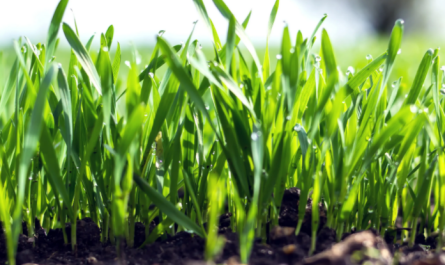
1. Grain Crops: Rice, wheat, corn, etc. Application during the tillering stage increases the number of effective tillers; application during the grain-filling stage prevents premature senescence.
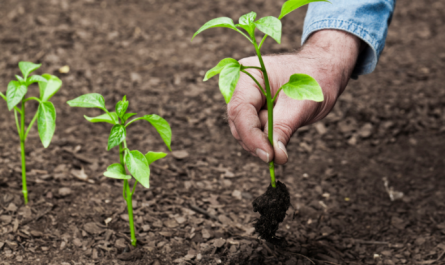
2. Vegetables: Leafy greens (spinach, lettuce)—application during the seedling stage promotes root system growth; fruiting vegetables (tomatoes, cucumbers)—application during the fruit expansion stage reduces the rate of fruit malformation.
3. Fruit Trees: Apples, citrus—application during the bud-break stage stimulates flower bud formation; grapes—application during the color-change stage improves sugar accumulation and fruit coloration.
4. Economic Crops:Tea—application prior to bud emergence results in fuller, more robust buds; cotton—when combined with humic acid, helps alleviate obstacles associated with continuous cropping.
5. Melons & Berries: Strawberries—application during the fruiting stage supplements calcium to prevent fruit malformation; watermelons—application during the fruit expansion stage increases sugar content.
6. Ornamental Flowers:Roses—application during the bud-formation stage optimizes flower bud development; Pothos (Epipremnum)—regular application helps maintain healthy foliage.
Comparison of Application Effects
Grain Crops
1. (Yield Enhancement):Wheat—application during the tillering stage increases the number of effective tillers; application during the grain-filling stage delays senescence and improves grain plumpness.
2. (Stress Resistance):Corn—application during the tasseling stage (in conjunction with insecticides) mitigates the negative impact of high temperatures on pollination.
Vegetables
1. (Yield Enhancement): Leafy greens—leaf thickness increases by 20%–30%, and the growth cycle is shortened by 3–5 days.
2. (Stress Resistance): Greenhouse vegetables—application in continuous-cropping plots (combined with microbial inoculants) helps alleviate issues related to soil salinization and alkalization.
Fruit Trees
1. (Yield Enhancement):Apples—application during the fruit expansion stage reduces the incidence of Bitter Pit; Pears—post-harvest application of nitrogen and magnesium supplements promotes tree recovery.
2. (Stress Resistance):Citrus—application of tryptophan-containing formulations during the color-change stage significantly enhances fruit sweetness and external coloration.
1. Grain Crops: Rice, wheat, corn, etc. Application during the tillering stage increases the number of effective tillers; application during the grain-filling stage prevents premature senescence.
2. Vegetables: Leafy greens (spinach, lettuce)—application during the seedling stage promotes root system growth; fruiting vegetables (tomatoes, cucumbers)—application during the fruit expansion stage reduces the rate of fruit malformation.
3. Fruit Trees: Apples, citrus—application during the bud-break stage stimulates flower bud formation; grapes—application during the color-change stage improves sugar accumulation and fruit coloration.
4. Economic Crops:Tea—application prior to bud emergence results in fuller, more robust buds; cotton—when combined with humic acid, helps alleviate obstacles associated with continuous cropping.
5. Melons & Berries: Strawberries—application during the fruiting stage supplements calcium to prevent fruit malformation; watermelons—application during the fruit expansion stage increases sugar content.
6. Ornamental Flowers:Roses—application during the bud-formation stage optimizes flower bud development; Pothos (Epipremnum)—regular application helps maintain healthy foliage.
Comparison of Application Effects
Grain Crops
1. (Yield Enhancement):Wheat—application during the tillering stage increases the number of effective tillers; application during the grain-filling stage delays senescence and improves grain plumpness.
2. (Stress Resistance):Corn—application during the tasseling stage (in conjunction with insecticides) mitigates the negative impact of high temperatures on pollination.
Vegetables
1. (Yield Enhancement): Leafy greens—leaf thickness increases by 20%–30%, and the growth cycle is shortened by 3–5 days.
2. (Stress Resistance): Greenhouse vegetables—application in continuous-cropping plots (combined with microbial inoculants) helps alleviate issues related to soil salinization and alkalization.
Fruit Trees
1. (Yield Enhancement):Apples—application during the fruit expansion stage reduces the incidence of Bitter Pit; Pears—post-harvest application of nitrogen and magnesium supplements promotes tree recovery.
2. (Stress Resistance):Citrus—application of tryptophan-containing formulations during the color-change stage significantly enhances fruit sweetness and external coloration.
RECENT POSTS
-
What is the purpose of COA (Certificate of Analysis) verification for plant growth regulators?
-
How do you evaluate the effectiveness of plant growth regulators?
-
Preparation and Application Protocol for Gibberellic Acid GA3 90% TC to Break Dormancy and Promote Rooting and Germination
-
Precise Dilution and Application Guidelines for Diethyl Aminoethyl Hexanoate DA-6 98% TC
Featured News