

Combination of Different Plant Growth Regulators with Rooting Hormone
The technology of combining rooting hormones involves using different plant growth regulators in combination to synergistically enhance rooting effects, improve crop stress resistance, or optimize agronomic traits. The following lists common and highly effective combinations, categorized and explained based on their functional characteristics.
Sodium Nitrophenolates with Sodium 1-Naphthyl Acetic Acid (Na-NAA)
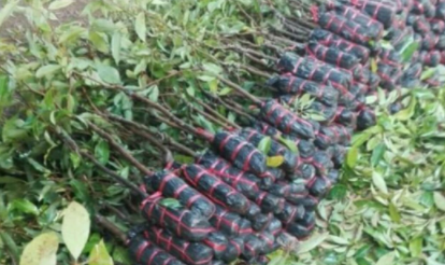
This combination is a typical rooting-promoting combination. Sodium Nitrophenolates, as a growth balancer, works synergistically with Na-NAA to accelerate root germination and tillering. For example, when applied to rootstocks at a 1:3 ratio, the number of roots is significantly higher than when Na-NAA is used alone; foliar spraying with a 2000-3000 times dilution during the wheat rooting period can increase yield by approximately 15% and improve root structure.
Indole-3-Butyric Acid (IBA) and 1-Naphthyl Acetic Acid (NAA)
This combination is commonly used for cuttings or transplanted crops. For example, a 5% IBA·NAA soluble powder (containing 2.5% IBA and 2.5% NAA) can activate cell differentiation and promote root primordia formation, suitable for fruit trees, flowers, and other woody plants.

Sodium Nitrophenolates and Urea
This combination combines a regulator with a fertilizer. Sodium Nitrophenolates enhances urea absorption efficiency and promotes seedling growth. For example, when used as a foliar fertilizer or base fertilizer, thicker, darker green leaves can be observed within 40 hours, leading to a significant increase in yield later on.
Triacontanol and Potassium Dihydrogen Phosphate
This combination focuses on enhancing photosynthesis and supplementing nutrients. Spraying triacontanol with potassium dihydrogen phosphate can increase crop yield; for example, the yield increase in soybeans can reach over 20%, while also strengthening stress resistance.
Brassinolide and Triadimefon:
This combination promotes both growth and disease control. Brassinolide accelerates seed germination and root growth, while triadimefon provides fungicidal protection, showing over 70% control efficacy against damping-off in cotton and delaying leaf decay.
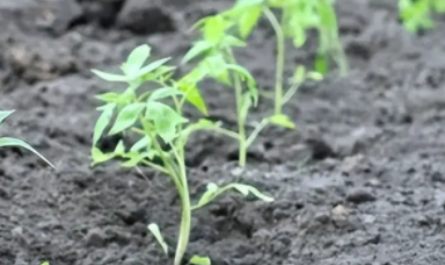
Other rooting agent combinations include Indole Acetic Acid (IAA) and Naphthyl Acetic Acid (suitable for rice and tomato transplanting), and humic acid and Indole Butyric Acid IBA (improves soil-root interaction), but the concentration and application method need to be adjusted according to crop type and growth stage.
Sodium Nitrophenolates with Sodium 1-Naphthyl Acetic Acid (Na-NAA)
This combination is a typical rooting-promoting combination. Sodium Nitrophenolates, as a growth balancer, works synergistically with Na-NAA to accelerate root germination and tillering. For example, when applied to rootstocks at a 1:3 ratio, the number of roots is significantly higher than when Na-NAA is used alone; foliar spraying with a 2000-3000 times dilution during the wheat rooting period can increase yield by approximately 15% and improve root structure.
Indole-3-Butyric Acid (IBA) and 1-Naphthyl Acetic Acid (NAA)
This combination is commonly used for cuttings or transplanted crops. For example, a 5% IBA·NAA soluble powder (containing 2.5% IBA and 2.5% NAA) can activate cell differentiation and promote root primordia formation, suitable for fruit trees, flowers, and other woody plants.
Sodium Nitrophenolates and Urea
This combination combines a regulator with a fertilizer. Sodium Nitrophenolates enhances urea absorption efficiency and promotes seedling growth. For example, when used as a foliar fertilizer or base fertilizer, thicker, darker green leaves can be observed within 40 hours, leading to a significant increase in yield later on.
Triacontanol and Potassium Dihydrogen Phosphate
This combination focuses on enhancing photosynthesis and supplementing nutrients. Spraying triacontanol with potassium dihydrogen phosphate can increase crop yield; for example, the yield increase in soybeans can reach over 20%, while also strengthening stress resistance.
Brassinolide and Triadimefon:
This combination promotes both growth and disease control. Brassinolide accelerates seed germination and root growth, while triadimefon provides fungicidal protection, showing over 70% control efficacy against damping-off in cotton and delaying leaf decay.
Other rooting agent combinations include Indole Acetic Acid (IAA) and Naphthyl Acetic Acid (suitable for rice and tomato transplanting), and humic acid and Indole Butyric Acid IBA (improves soil-root interaction), but the concentration and application method need to be adjusted according to crop type and growth stage.
RECENT POSTS
-
What is the purpose of COA (Certificate of Analysis) verification for plant growth regulators?
-
How do you evaluate the effectiveness of plant growth regulators?
-
Preparation and Application Protocol for Gibberellic Acid GA3 90% TC to Break Dormancy and Promote Rooting and Germination
-
Precise Dilution and Application Guidelines for Diethyl Aminoethyl Hexanoate DA-6 98% TC
Featured News