

Rational Use of Plant Growth Regulators to Promote Fruit Tree Yield and Quality Improvement
Fruit Tree Yield Increase and Quality Improvement
1. Bud Germination Regulation
In fruit tree production, Gibberellic Acid (GA3) is widely used to break the dormancy of seeds or buds in certain tree species, thereby promoting rapid germination and shortening seed treatment time to advance germination and increase germination rate. On the other hand, growth regulators such as methyl naphthaleneacetate can prolong the dormancy period of buds, thereby inhibiting or delaying bud germination. This characteristic is particularly important during the storage of fruit tree seeds or scions.
2. Promoting Rooting
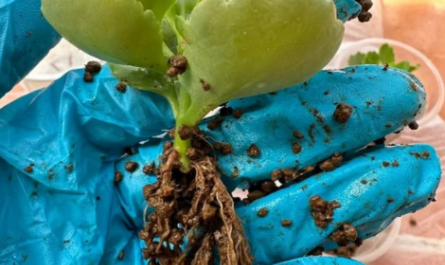
In fruit tree production, appropriate concentrations of auxin-based plant growth regulators, such as Indole Acetic Acid (IAA), Indole-3-Butyric Acid (IBA), and Naphthyl Acetic Acid (NAA), are widely used to treat scions or seedlings. These regulators can effectively promote rooting in fruit trees and significantly increase the number of roots. Although Indole Acetic Acid is more effective in promoting root growth, Naphthyl Acetic Acid is more commonly used in actual production due to its higher cost.
3. Regulation of Vegetative Growth
In fruit tree management, the use of growth retardants such as Paclobutrazol (Paclo) and Chlormequat Chloride (CCC) can effectively delay or inhibit the growth of new shoots, resulting in physiological dwarfing of the plant without damaging the apical meristem or interfering with its development. These regulators help control excessive vegetative growth, shortening internodes, thickening stems, increasing leaf color and thickness, increasing the number of lateral branches, and promoting more developed root systems. Furthermore, the application of cytokinin-based growth regulators such as 6-Benzylaminopurine (6-BA) can promote the germination of lateral buds and the formation of secondary shoots, while also stimulating previously dormant branches to resume growth.
4. Flower Bud Differentiation and Flowering Timing
The use of growth regulators such as Paclobutrazol (Paclo) and Ethephon can effectively inhibit excessive vegetative growth in fruit trees such as peaches, thereby promoting the formation and differentiation of flower buds, increasing the number of flower buds, achieving earlier fruiting, and improving fruit set rate. Applying gibberellic acid during the flower bud differentiation stage can reduce the number of flower buds or inhibit their differentiation, achieving the effect of flower thinning, saving labor, and helping to balance fruit tree yield.
5. Fruit Set Rate Regulation
Plant growth regulators can improve the fruit set rate of fruit trees. For example, spraying plant growth regulators such as Gibberellic Acid (GA) and 2,4-D before or during flowering can effectively increase the fruit set rate. These regulators can also be used for fruit thinning to balance yield.
6. Fruit Quality Enhancement
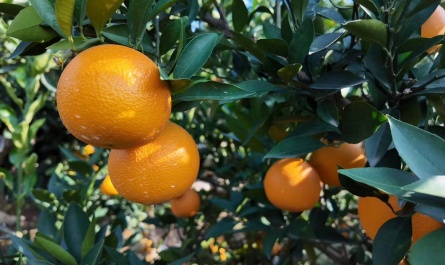
Plant growth regulators are widely used in fruit production to improve fruit quality. For example, using Gibberellic Acid (GA3) or cytokinin-like substances during the young fruit stage can effectively promote fruit enlargement or elongation. This technique not only improves fruit quality but also helps increase economic benefits.
7. Fruit Ripening Regulation
Ethephon promotes fruit ripening, while Gibberellic Acid (GA3) delays it. For example, spraying with appropriate concentrations of Gibberellic Acid (GA3) or salicylic acid can increase fruit firmness, inhibit ethylene synthesis, and thus postpone the ripening and market availability of fruits such as apples.
8. Parthenocarpy Induction
Plant growth regulators such as auxins and Gibberellic Acid can stimulate ovary development in plants. By treating certain fruit trees with IAA or GA3, parthenocarpy can be induced, resulting in seedless fruit. This technique not only improves fruit quality but also helps increase economic benefits.
9. Enhanced Stress Resistance
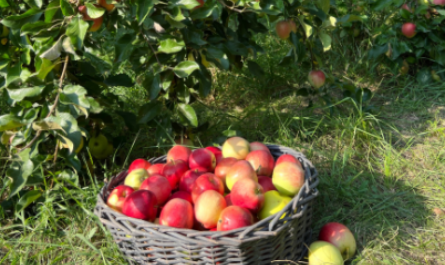
Plant growth regulators have a significant effect on improving the stress resistance of fruit trees. Ethephon effectively enhances the cold and frost resistance of apples, while jasmonic acid and its methyl ester are closely related to the disease resistance and drought resistance of fruit trees.
10. Tissue Culture Applications
Plant growth regulators play a crucial role in the tissue culture of fruit trees. They significantly influence the morphogenesis and regulation of in vitro tissue cultures. By rationally selecting the basic culture medium, controlling light conditions, culture temperature and humidity, and combining appropriate hormone types and concentrations, the regeneration of fruit trees can be effectively promoted.
11. Mechanical Harvesting Technology
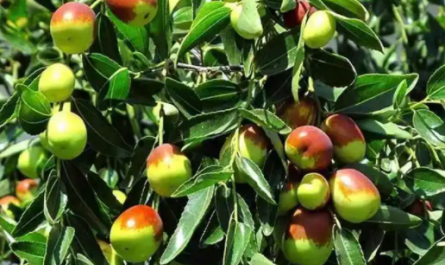
For fruit trees such as jujubes and plums, mechanical harvesting is a highly efficient method. Spraying with 200-300 mg/L of ethylene sulfide promotes natural fruit drop, greatly reducing the burden of manual harvesting.
12. Storage and Preservation Technology
Treating fruits with plant growth regulators, such as ethylene inhibitors or thiophanate-methyl, can effectively extend the shelf life of fruits, thereby reducing losses and increasing profits.
13. Weed Control
Some plant growth regulators can be mixed with herbicides to improve weed control and increase fruit yield, while remaining safe and harmless to the fruit trees. When 2,4-D is used in combination with herbicides, it can effectively eliminate weeds.
1. Bud Germination Regulation
In fruit tree production, Gibberellic Acid (GA3) is widely used to break the dormancy of seeds or buds in certain tree species, thereby promoting rapid germination and shortening seed treatment time to advance germination and increase germination rate. On the other hand, growth regulators such as methyl naphthaleneacetate can prolong the dormancy period of buds, thereby inhibiting or delaying bud germination. This characteristic is particularly important during the storage of fruit tree seeds or scions.
2. Promoting Rooting
In fruit tree production, appropriate concentrations of auxin-based plant growth regulators, such as Indole Acetic Acid (IAA), Indole-3-Butyric Acid (IBA), and Naphthyl Acetic Acid (NAA), are widely used to treat scions or seedlings. These regulators can effectively promote rooting in fruit trees and significantly increase the number of roots. Although Indole Acetic Acid is more effective in promoting root growth, Naphthyl Acetic Acid is more commonly used in actual production due to its higher cost.
3. Regulation of Vegetative Growth
In fruit tree management, the use of growth retardants such as Paclobutrazol (Paclo) and Chlormequat Chloride (CCC) can effectively delay or inhibit the growth of new shoots, resulting in physiological dwarfing of the plant without damaging the apical meristem or interfering with its development. These regulators help control excessive vegetative growth, shortening internodes, thickening stems, increasing leaf color and thickness, increasing the number of lateral branches, and promoting more developed root systems. Furthermore, the application of cytokinin-based growth regulators such as 6-Benzylaminopurine (6-BA) can promote the germination of lateral buds and the formation of secondary shoots, while also stimulating previously dormant branches to resume growth.
4. Flower Bud Differentiation and Flowering Timing
The use of growth regulators such as Paclobutrazol (Paclo) and Ethephon can effectively inhibit excessive vegetative growth in fruit trees such as peaches, thereby promoting the formation and differentiation of flower buds, increasing the number of flower buds, achieving earlier fruiting, and improving fruit set rate. Applying gibberellic acid during the flower bud differentiation stage can reduce the number of flower buds or inhibit their differentiation, achieving the effect of flower thinning, saving labor, and helping to balance fruit tree yield.
5. Fruit Set Rate Regulation
Plant growth regulators can improve the fruit set rate of fruit trees. For example, spraying plant growth regulators such as Gibberellic Acid (GA) and 2,4-D before or during flowering can effectively increase the fruit set rate. These regulators can also be used for fruit thinning to balance yield.
6. Fruit Quality Enhancement
Plant growth regulators are widely used in fruit production to improve fruit quality. For example, using Gibberellic Acid (GA3) or cytokinin-like substances during the young fruit stage can effectively promote fruit enlargement or elongation. This technique not only improves fruit quality but also helps increase economic benefits.
7. Fruit Ripening Regulation
Ethephon promotes fruit ripening, while Gibberellic Acid (GA3) delays it. For example, spraying with appropriate concentrations of Gibberellic Acid (GA3) or salicylic acid can increase fruit firmness, inhibit ethylene synthesis, and thus postpone the ripening and market availability of fruits such as apples.
8. Parthenocarpy Induction
Plant growth regulators such as auxins and Gibberellic Acid can stimulate ovary development in plants. By treating certain fruit trees with IAA or GA3, parthenocarpy can be induced, resulting in seedless fruit. This technique not only improves fruit quality but also helps increase economic benefits.
9. Enhanced Stress Resistance
Plant growth regulators have a significant effect on improving the stress resistance of fruit trees. Ethephon effectively enhances the cold and frost resistance of apples, while jasmonic acid and its methyl ester are closely related to the disease resistance and drought resistance of fruit trees.
10. Tissue Culture Applications
Plant growth regulators play a crucial role in the tissue culture of fruit trees. They significantly influence the morphogenesis and regulation of in vitro tissue cultures. By rationally selecting the basic culture medium, controlling light conditions, culture temperature and humidity, and combining appropriate hormone types and concentrations, the regeneration of fruit trees can be effectively promoted.
11. Mechanical Harvesting Technology
For fruit trees such as jujubes and plums, mechanical harvesting is a highly efficient method. Spraying with 200-300 mg/L of ethylene sulfide promotes natural fruit drop, greatly reducing the burden of manual harvesting.
12. Storage and Preservation Technology
Treating fruits with plant growth regulators, such as ethylene inhibitors or thiophanate-methyl, can effectively extend the shelf life of fruits, thereby reducing losses and increasing profits.
13. Weed Control
Some plant growth regulators can be mixed with herbicides to improve weed control and increase fruit yield, while remaining safe and harmless to the fruit trees. When 2,4-D is used in combination with herbicides, it can effectively eliminate weeds.
RECENT POSTS
-
What is the purpose of COA (Certificate of Analysis) verification for plant growth regulators?
-
How do you evaluate the effectiveness of plant growth regulators?
-
Preparation and Application Protocol for Gibberellic Acid GA3 90% TC to Break Dormancy and Promote Rooting and Germination
-
Precise Dilution and Application Guidelines for Diethyl Aminoethyl Hexanoate DA-6 98% TC
Featured News