
Knowledge
-
Detailed Guide to the Applications and Effects of Plant Growth RegulatorsDate: 2026-05-15Applicable Plant Types
1. Grain Crops: Rice, wheat, corn, etc. Application during the tillering stage increases the number of effective tillers; application during the grain-filling stage prevents premature senescence.
-
Moving Beyond Hormone Panic:Enabling Plant Growth Regulators to Truly Boost Agricultural EfficiencyDate: 2026-05-08Plant Growth Regulators (PGRs) are a class of compounds—either chemically synthesized or extracted from biological sources—that structurally resemble and functionally mimic natural plant hormones. However, they possess the unique ability to precisely regulate vital crop processes

-
Gibberellic Acid GA3:The Yield-Boosting Marvel Scientific Regulation Doubles Crop OutputDate: 2026-05-06Gibberellic Acid is not merely a simple fertilizer or hormone; rather, it is a naturally occurring signaling molecule found within plants. It precisely regulates the plant's entire life cycle, from germination through to fruit-bearing.

-
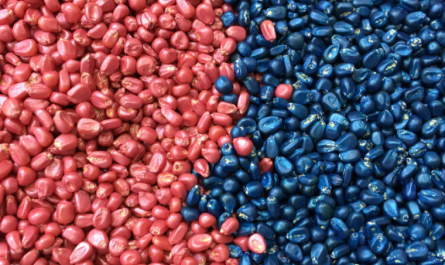
Which Plant Growth Regulators Should Be Used for Seed Dressing to Promote Rooting and Germination?Date: 2026-04-30For seed dressing aimed at promoting rooting and germination, we recommend using Brassinolide, Gibberellic Acid (GA₃), and Sodium Nitrophenolates. These plant growth regulators effectively break seed dormancy, increase germination rates, and stimulate root system development, resulting in uniform and robust seedling growth.