

These Plant Growth Regulators Can Help Crops Enhance Photosynthesis and Accelerate Cell Division
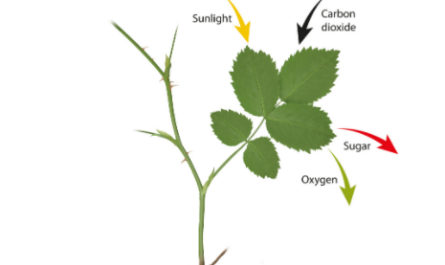
To enhance photosynthesis and accelerate cell division, the following categories of plant growth regulators may be selected. They achieve these two objectives through various mechanisms, with some offering additional benefits such as enhanced stress resistance, increased yields, and improved crop quality.
Key Recommended Plant Growth Regulator
Diethyl aminoethyl hexanoate (DA-6)
Mechanism of Action: Increases the content of chlorophyll, proteins, and nucleic acids, thereby boosting the rate of photosynthesis; regulates endogenous hormones (such as auxins and cytokinins) to promote cell division and elongation.
Characteristics: Effective over a wide range of concentrations (1–100 ppm); effective even at low temperatures; non-toxic and leaves no residues; compatible for tank-mixing with fertilizers and pesticides.
Applicable Crops:Rice, wheat, corn, fruit trees, vegetables, flowers, etc.
Typical Application:Foliar spray at a concentration of 10–20 ppm, applied 2–3 times; typically results in a 10%–40% increase in yield.
1. Brassinolide (BR)
Chemical Nature: A steroidal endogenous plant hormone (classified as the sixth major category of plant hormones).
Mechanism of Action:Significantly increases chlorophyll content and photosynthetic efficiency; promotes cell division and elongation; enhances resistance to drought, cold, and salinity/alkalinity.
Characteristics: Broad-spectrum and highly efficient; effective at very low concentrations
(typically applied at 0.01–0.5 mg/kg); compatible for tank-mixing with foliar fertilizers.
Applicable Crops:Rice, wheat, corn, soybeans, fruit trees, melons, vegetables, etc.
Typical Application: Applied as a spray during the seedling stage to promote root development and strengthen seedlings; applied during the flowering stage to increase the fruit-setting rate.
2. Thidiazuron
Mechanism of Action:Exhibits potent cytokinin activity, directly inducing cell division; delays senescence, maintains chlorophyll synthesis, and extends the duration of photosynthetic function.
Key Features: Demonstrates significant yield-enhancing effects (potentially exceeding 20%) in high-light-demand crops such as soybeans, corn, and rice.
Application: Apply as a foliar spray using a 150–500-fold dilution; efficacy is maximized when applied after the onset of flowering.
3. Forchlorfenuron (KT-30/CPPU)
Mechanism of Action: Promotes cell division and expansion, enhances photosynthetic efficiency, and delays leaf senescence.
Applicable Crops:Cucurbits (watermelons, cucumbers), tomatoes, grapes, cotton, soybeans, etc.
Caution: Must be applied strictly according to recommended concentrations; excessive application may lead to deformities or a decline in crop quality.
4. DCPTA
Unique Advantages:By regulating gene expression, it directly boosts photosynthetic efficiency, enabling a more efficient conversion of CO₂ into biochemical substances.
Results:Increases protein content in soybeans by 68%, fat content by 20%, and overall yield by 35%.
Application Recommendations
Prioritize DA-6 or Brassinolide:Both compounds possess a dual function—promoting both photosynthesis and cell division—and are characterized by high safety profiles and broad applicability.
Optimal Efficacy via Combination: Combining agents—such as DA-6 with Brassinolide, or mixing them with foliar fertilizers containing zinc and boron—creates a synergistic effect that enhances overall efficacy.
Timing of Application:Generally, the most effective results are achieved when spraying during the seedling stage, tillering stage, pre-flowering stage, or early fruit development stage.
Avoid Alkaline Environments:Compounds such as DA-6 and Brassinolide are prone to decomposition under alkaline conditions; therefore, they must not be mixed with alkaline pesticides or fertilizers.
Key Recommended Plant Growth Regulator
Diethyl aminoethyl hexanoate (DA-6)
Mechanism of Action: Increases the content of chlorophyll, proteins, and nucleic acids, thereby boosting the rate of photosynthesis; regulates endogenous hormones (such as auxins and cytokinins) to promote cell division and elongation.
Characteristics: Effective over a wide range of concentrations (1–100 ppm); effective even at low temperatures; non-toxic and leaves no residues; compatible for tank-mixing with fertilizers and pesticides.
Applicable Crops:Rice, wheat, corn, fruit trees, vegetables, flowers, etc.
Typical Application:Foliar spray at a concentration of 10–20 ppm, applied 2–3 times; typically results in a 10%–40% increase in yield.
1. Brassinolide (BR)
Chemical Nature: A steroidal endogenous plant hormone (classified as the sixth major category of plant hormones).
Mechanism of Action:Significantly increases chlorophyll content and photosynthetic efficiency; promotes cell division and elongation; enhances resistance to drought, cold, and salinity/alkalinity.
Characteristics: Broad-spectrum and highly efficient; effective at very low concentrations
(typically applied at 0.01–0.5 mg/kg); compatible for tank-mixing with foliar fertilizers.
Applicable Crops:Rice, wheat, corn, soybeans, fruit trees, melons, vegetables, etc.
Typical Application: Applied as a spray during the seedling stage to promote root development and strengthen seedlings; applied during the flowering stage to increase the fruit-setting rate.
2. Thidiazuron
Mechanism of Action:Exhibits potent cytokinin activity, directly inducing cell division; delays senescence, maintains chlorophyll synthesis, and extends the duration of photosynthetic function.
Key Features: Demonstrates significant yield-enhancing effects (potentially exceeding 20%) in high-light-demand crops such as soybeans, corn, and rice.
Application: Apply as a foliar spray using a 150–500-fold dilution; efficacy is maximized when applied after the onset of flowering.
3. Forchlorfenuron (KT-30/CPPU)
Mechanism of Action: Promotes cell division and expansion, enhances photosynthetic efficiency, and delays leaf senescence.
Applicable Crops:Cucurbits (watermelons, cucumbers), tomatoes, grapes, cotton, soybeans, etc.
Caution: Must be applied strictly according to recommended concentrations; excessive application may lead to deformities or a decline in crop quality.
4. DCPTA
Unique Advantages:By regulating gene expression, it directly boosts photosynthetic efficiency, enabling a more efficient conversion of CO₂ into biochemical substances.
Results:Increases protein content in soybeans by 68%, fat content by 20%, and overall yield by 35%.
Application Recommendations
Prioritize DA-6 or Brassinolide:Both compounds possess a dual function—promoting both photosynthesis and cell division—and are characterized by high safety profiles and broad applicability.
Optimal Efficacy via Combination: Combining agents—such as DA-6 with Brassinolide, or mixing them with foliar fertilizers containing zinc and boron—creates a synergistic effect that enhances overall efficacy.
Timing of Application:Generally, the most effective results are achieved when spraying during the seedling stage, tillering stage, pre-flowering stage, or early fruit development stage.
Avoid Alkaline Environments:Compounds such as DA-6 and Brassinolide are prone to decomposition under alkaline conditions; therefore, they must not be mixed with alkaline pesticides or fertilizers.
RECENT POSTS
-
What is the purpose of COA (Certificate of Analysis) verification for plant growth regulators?
-
How do you evaluate the effectiveness of plant growth regulators?
-
Preparation and Application Protocol for Gibberellic Acid GA3 90% TC to Break Dormancy and Promote Rooting and Germination
-
Precise Dilution and Application Guidelines for Diethyl Aminoethyl Hexanoate DA-6 98% TC
Featured News