

Spring Application of Plant Growth Regulators Promoting Root Development Preserving Flowers and Enhancing Stress Resistance
During the spring season, crop management strategies—specifically the selection of plant growth regulators—should be tailored to the unique growth characteristics of each specific crop. The core objectives are to control excessive vegetative growth, stimulate root development, preserve flowers and fruit set, enhance resistance to environmental stresses, and ultimately improve both crop quality and yield. As of early April 2026, we are currently in a critical phase: wheat is undergoing stem elongation (jointing), fruit trees are in the young fruit stage, and vegetables are in their active growth phase. The following are precise, crop-specific recommendations:
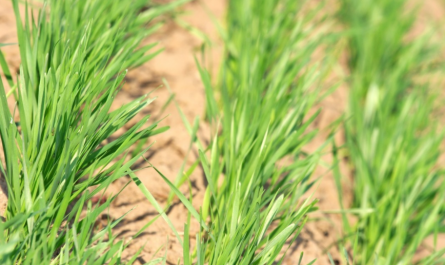
I. Wheat: Controlling Excessive Growth to Prevent Lodging; Promoting Grain Filling to Increase Grain Weight
The current period—spanning from the onset of stem elongation (jointing) to the booting stage—represents a critical window for controlling excessive vegetative growth and enhancing the crop's overall stress resistance.
Recommended Plant Growth Regulators:
Chlormequat Chloride: Inhibits internode elongation, strengthens stem rigidity, and prevents lodging (falling over) later in the season.
Brassinolide + Monopotassium Phosphate (KH₂PO₄): Enhances resistance to cold temperatures and drought, and promotes the translocation of photosynthetic products toward the grain heads.
(Wheat Strengthener): When applied after flowering, it prevents premature senescence and promotes grain filling. Field trials have demonstrated an increase in thousand-grain weight of 2–3 grams, a yield increase of over 5% per acre (approx. 0.067 hectares), and an improvement in protein content.
Key Application Points:
Applications of growth retardants (to control excessive growth) should be completed between the end of the green-up stage and the onset of stem elongation (typically mid-to-late March). Exercise caution when applying Paclobutrazol after the stem elongation phase has begun, as it may inhibit the proper development of the grain heads.
During the grain-filling stage, foliar spraying with a solution of "0.2% Monopotassium Phosphate + Brassinolide" helps delay senescence and increases grain plumpness.
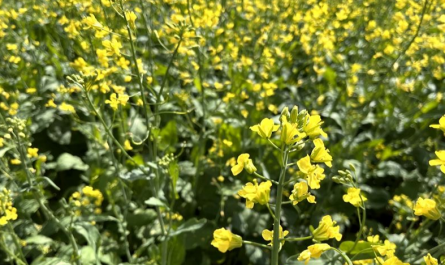
II. Rapeseed (Canola): Preventing Premature Senescence; Promoting Silique Filling
The current period—spanning from the end of flowering to the silique-setting stage—focuses primarily on extending the functional lifespan of the leaves and preventing premature ripening induced by high temperatures.
Recommended Plant Growth Regulators:
Brassinolide: Mitigates the adverse effects of low temperatures or herbicide injury, enhances overall stress resistance, and promotes the development of siliques (seed pods).
DCPTA: Enhances photosynthetic efficiency. Field trials have demonstrated yield increases ranging from 15% to 25%, with increases exceeding 30% achievable under high-yield management systems.
Key Application Points:
After the flowering period has concluded, apply a foliar spray of Brassinolide combined with boron fertilizer to reduce the incidence of "blind flowers" (flowers that fail to set seed) and improve the overall seed-setting rate. Avoid using strong-acting growth regulators to prevent the inhibition of silique elongation.
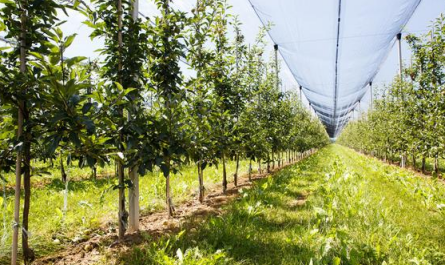
III. Fruit Trees (Citrus, Apples, etc.): Fruit Retention and Stabilization; Promoting Shoot Growth and Greening
The current stage—spanning from post-bloom to the young fruit stage—is a period prone to physiological fruit drop.
Recommended Plant Growth Regulators:
Natural Brassinolide: High safety profile; regulates hormonal balance, reduces fruit drop, and prevents fruit malformation. Suitable for application during both the flowering and young fruit stages.
Gibberellic Acid (GA3): Used for fruit retention in seedless varieties; however, concentration must be carefully controlled to prevent excessive thickening of the fruit peel.
Combination Suggestion: Spray a mixture of "Brassinolide + Phosphorus-Potassium Foliar Fertilizer + Calcium Fertilizer" 7 days after flowering to promote uniform fruit development and prevent fruit cracking.
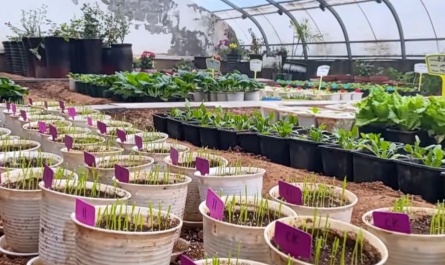
IV. Vegetables (Tomatoes, Cucumbers, Peppers, etc.): Cold Protection, Stress Resistance, and Growth Stabilization
Spring weather is often subject to "late spring cold snaps," to which seedlings and flowering crops are particularly sensitive.
Recommended Plant Growth Regulators:
Brassinolide: Enhances cold and drought tolerance; application before or after frost events can significantly mitigate damage.
Chitin or Alginate-based Regulators: Strengthen cell wall integrity and improve disease resistance.
Chlormequat Chloride: Used in solanaceous crops (e.g., tomatoes, peppers) to control excessive vegetative growth (preventing "legginess") and to promote flowering and fruit setting.
Application Guidelines:
Avoid spraying during periods of high temperature or intense sunlight; opt for early morning or late evening application instead.
Exercise caution when using strong growth inhibitors during the seedling stage to prevent growth stagnation.
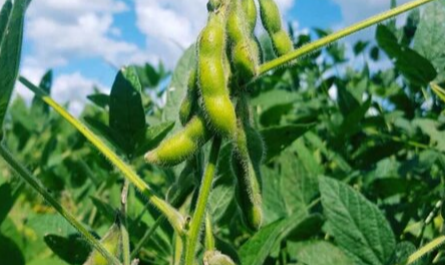
V. Leguminous Crops (Peanuts, Soybeans, etc.): Promoting Pegging/Branching to Build a High-Yield Canopy Structure
The current stage—spanning from the seedling stage to early flowering—is a critical period for establishing a high-yield crop population.
Recommended Plant Growth Regulators:
DCPTA: Can significantly increase the number of pegs (gynophores) in peanuts and branches in soybeans; field trials have demonstrated a yield increase of 20%–25% ^[A2]^.
Brassinolide: Promotes root system development and enhances stress resistance, thereby laying a solid foundation for subsequent fruit/pod enlargement.
Application Guidelines:
For peanuts, spray a mixture of DCPTA + Boron fertilizer when approximately 50% of the plants are in bloom to encourage pegs to penetrate the soil. Spraying soybeans during the early flowering stage regulates nutrient allocation and reduces flower and pod shedding.
I. Wheat: Controlling Excessive Growth to Prevent Lodging; Promoting Grain Filling to Increase Grain Weight
The current period—spanning from the onset of stem elongation (jointing) to the booting stage—represents a critical window for controlling excessive vegetative growth and enhancing the crop's overall stress resistance.
Recommended Plant Growth Regulators:
Chlormequat Chloride: Inhibits internode elongation, strengthens stem rigidity, and prevents lodging (falling over) later in the season.
Brassinolide + Monopotassium Phosphate (KH₂PO₄): Enhances resistance to cold temperatures and drought, and promotes the translocation of photosynthetic products toward the grain heads.
(Wheat Strengthener): When applied after flowering, it prevents premature senescence and promotes grain filling. Field trials have demonstrated an increase in thousand-grain weight of 2–3 grams, a yield increase of over 5% per acre (approx. 0.067 hectares), and an improvement in protein content.
Key Application Points:
Applications of growth retardants (to control excessive growth) should be completed between the end of the green-up stage and the onset of stem elongation (typically mid-to-late March). Exercise caution when applying Paclobutrazol after the stem elongation phase has begun, as it may inhibit the proper development of the grain heads.
During the grain-filling stage, foliar spraying with a solution of "0.2% Monopotassium Phosphate + Brassinolide" helps delay senescence and increases grain plumpness.
II. Rapeseed (Canola): Preventing Premature Senescence; Promoting Silique Filling
The current period—spanning from the end of flowering to the silique-setting stage—focuses primarily on extending the functional lifespan of the leaves and preventing premature ripening induced by high temperatures.
Recommended Plant Growth Regulators:
Brassinolide: Mitigates the adverse effects of low temperatures or herbicide injury, enhances overall stress resistance, and promotes the development of siliques (seed pods).
DCPTA: Enhances photosynthetic efficiency. Field trials have demonstrated yield increases ranging from 15% to 25%, with increases exceeding 30% achievable under high-yield management systems.
Key Application Points:
After the flowering period has concluded, apply a foliar spray of Brassinolide combined with boron fertilizer to reduce the incidence of "blind flowers" (flowers that fail to set seed) and improve the overall seed-setting rate. Avoid using strong-acting growth regulators to prevent the inhibition of silique elongation.
III. Fruit Trees (Citrus, Apples, etc.): Fruit Retention and Stabilization; Promoting Shoot Growth and Greening
The current stage—spanning from post-bloom to the young fruit stage—is a period prone to physiological fruit drop.
Recommended Plant Growth Regulators:
Natural Brassinolide: High safety profile; regulates hormonal balance, reduces fruit drop, and prevents fruit malformation. Suitable for application during both the flowering and young fruit stages.
Gibberellic Acid (GA3): Used for fruit retention in seedless varieties; however, concentration must be carefully controlled to prevent excessive thickening of the fruit peel.
Combination Suggestion: Spray a mixture of "Brassinolide + Phosphorus-Potassium Foliar Fertilizer + Calcium Fertilizer" 7 days after flowering to promote uniform fruit development and prevent fruit cracking.
IV. Vegetables (Tomatoes, Cucumbers, Peppers, etc.): Cold Protection, Stress Resistance, and Growth Stabilization
Spring weather is often subject to "late spring cold snaps," to which seedlings and flowering crops are particularly sensitive.
Recommended Plant Growth Regulators:
Brassinolide: Enhances cold and drought tolerance; application before or after frost events can significantly mitigate damage.
Chitin or Alginate-based Regulators: Strengthen cell wall integrity and improve disease resistance.
Chlormequat Chloride: Used in solanaceous crops (e.g., tomatoes, peppers) to control excessive vegetative growth (preventing "legginess") and to promote flowering and fruit setting.
Application Guidelines:
Avoid spraying during periods of high temperature or intense sunlight; opt for early morning or late evening application instead.
Exercise caution when using strong growth inhibitors during the seedling stage to prevent growth stagnation.
V. Leguminous Crops (Peanuts, Soybeans, etc.): Promoting Pegging/Branching to Build a High-Yield Canopy Structure
The current stage—spanning from the seedling stage to early flowering—is a critical period for establishing a high-yield crop population.
Recommended Plant Growth Regulators:
DCPTA: Can significantly increase the number of pegs (gynophores) in peanuts and branches in soybeans; field trials have demonstrated a yield increase of 20%–25% ^[A2]^.
Brassinolide: Promotes root system development and enhances stress resistance, thereby laying a solid foundation for subsequent fruit/pod enlargement.
Application Guidelines:
For peanuts, spray a mixture of DCPTA + Boron fertilizer when approximately 50% of the plants are in bloom to encourage pegs to penetrate the soil. Spraying soybeans during the early flowering stage regulates nutrient allocation and reduces flower and pod shedding.
RECENT POSTS
-
What is the purpose of COA (Certificate of Analysis) verification for plant growth regulators?
-
How do you evaluate the effectiveness of plant growth regulators?
-
Preparation and Application Protocol for Gibberellic Acid GA3 90% TC to Break Dormancy and Promote Rooting and Germination
-
Precise Dilution and Application Guidelines for Diethyl Aminoethyl Hexanoate DA-6 98% TC
Featured News