

What is the relationship between Choline Chloride and Chlormequat Chloride?
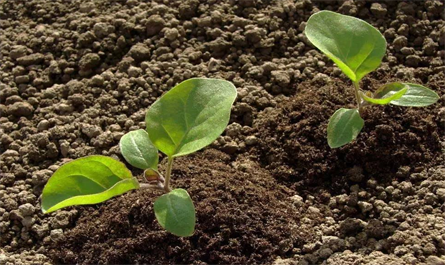
Choline Chloride and Chlormequat Chloride are homologs; while they share similarities, they also possess numerous differences.
Chlormequat Chloride is not readily metabolized within plant tissues, whereas Choline Chloride can be rapidly utilized by the plant.
Choline Chloride is low in toxicity and is easily decomposed by microorganisms once it enters the soil, endowing it with broad potential for development and application.
During plant growth, after being absorbed by the stems, leaves, and roots, Choline Chloride is rapidly translocated to the sites where it exerts its physiological effects. It promotes leaf photosynthesis, inhibits photorespiration in C3 plants, and stimulates root system development. Furthermore, it facilitates the maximum possible translocation of photosynthetic products to underground tubers and storage roots, thereby significantly increasing the yield and improving the quality of these underground storage organs. It enhances various physiological activities within plants, boosting crop seed germination rates, promoting rooting, fostering the development of robust seedlings, increasing yields, and improving overall crop quality. It increases the content and proportion of phosphatidylcholine within the plasma membrane, thereby influencing membrane structure and stability and reducing ion leakage. Additionally, it acts as a scavenger for oxygen free radicals—such as superoxide anions and hydroxyl radicals—that are harmful to plant cells, playing a crucial role in helping plants withstand environmental stresses such as low temperatures, weak light, and drought.
Chlormequat Chloride is a quaternary ammonium plant growth regulator currently widely used in my country. It can be absorbed by plants through their leaves, tender shoots, buds, and root systems, and subsequently translocated to the sites where it exerts its effects.
Its primary function is to inhibit the biosynthesis of gibberellins. Physiologically, it serves to control excessive vegetative growth (etiolation), promote reproductive growth, and shorten internodes, resulting in plants that are shorter, sturdier, and more robust, with well-developed root systems and enhanced resistance to lodging. Simultaneously, it deepens leaf color, increases leaf thickness and chlorophyll content, and enhances photosynthetic activity. Consequently, it improves the fruit-setting rate in certain crops, enhances the quality of fruits and seeds, boosts yields, and increases the crops' resistance to drought, cold, and pests and diseases.
Chlormequat Chloride is an excellent plant growth regulator suitable for use on cotton, wheat, maize, rice, tobacco, tomatoes, and various root crops.
It reduces plant height, thickens stems, intensifies leaf color, prevents excessive vegetative growth and lodging, and improves the crops' tolerance to drought, waterlogging, and saline-alkaline conditions. It exhibits slight toxicity to humans and animals. Particular attention must be paid to the fact that Chlormequat Chloride should not be mixed with alkaline pesticides. Its aqueous solution is stable but corrosive to metals; therefore, it should be stored in containers made of glass, high-density plastic, rubber, or metal coated with epoxy resin. It is rapidly degraded by microorganisms in the soil.
RECENT POSTS
-
What is the purpose of COA (Certificate of Analysis) verification for plant growth regulators?
-
How do you evaluate the effectiveness of plant growth regulators?
-
Preparation and Application Protocol for Gibberellic Acid GA3 90% TC to Break Dormancy and Promote Rooting and Germination
-
Precise Dilution and Application Guidelines for Diethyl Aminoethyl Hexanoate DA-6 98% TC
Featured News