

Using Plant Growth Regulators to Assist in High-Yield Peanut Cultivation Techniques
Peanuts are annual herbaceous plants belonging to the genus Arachis of the family Fabaceae. They originated in South America. More than 100 countries worldwide cultivate peanuts, with Asia being the most common, followed by Africa. The following section, using summer peanuts in northern China as an example, lists the monthly peanut plant protection management work from pre-sowing to harvest.
I. Pre-sowing Preparation Period
1. Field Management Indicators: Site Selection, Fertilization, Seed Selection, Seed Treatment
(1) Site Selection
Avoid continuous cropping. After the previous crop is harvested, promptly shallowly cultivate to remove stubble, generally 10-17 cm, harrow and level the soil for planting. After emergence, promptly cultivate and apply quick-acting fertilizer. For intercropping peanuts in wheat ridges, deep plow and harrow before wheat sowing, to a depth of over 26 cm, and apply organic fertilizer. For ridge planting, the ridge height is generally 17 cm, the ridge spacing is 33-40 cm, and one row is sown per ridge. Sow immediately after ridge planting to prevent moisture loss from affecting seedling emergence.
(2) Apply sufficient base fertilizer.
The amount of base fertilizer applied to peanuts should generally account for 70%-80% of the total fertilizer application, mainly consisting of well-rotted organic fertilizer, supplemented with inorganic fertilizers such as superphosphate, potassium chloride, and lime. The nitrogen, phosphorus, and potassium in the base fertilizer can be applied in a ratio of 1:1:2.
(3) Select seeds carefully.
Before sowing, carefully select seeds, removing diseased, rotten, and other substandard seeds, and sun-dry them for 1-2 days on a sunny day.
(4) Seed coating and seed treatment.
The main targets for prevention and control are root and stem base diseases, such as crown rot, root rot, stem rot, and cyst nematode disease. Pay attention to the prevention and control of underground pests such as thread crickets, grubs, and wireworms. A mixture of fungicides, insecticides, and plant growth regulators can be used for seed treatment or seed coating.
2. Chemical weed control
Spraying pre-emergence herbicides on the soil surface after peanut sowing but before seedling emergence can effectively control weeds.
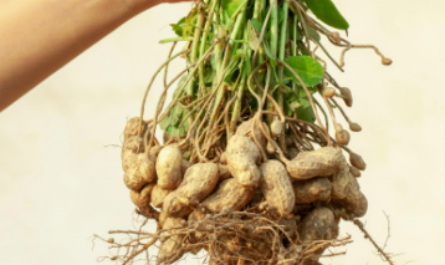
II. Seed Germination and Seedling Stage
The seed germination and seedling stage is defined as the period from sowing to when 50% of the seedlings emerge and develop their first true leaf.
1. Field Management Indicators
Cultivation requires full and uniform seedling emergence from sowing.
2. Main Cultivation Techniques
Timely thinning or removing seedlings from the mulch film, checking for seedlings and replanting, preventing frost damage, and applying growth regulators such as polyphenols, DA-6 amino acid ester, and S-inducer per acre, depending on weather conditions, to enhance stress resistance and cultivate strong seedlings.
III. Seedling Stage
The seedling stage is defined as the period from emergence to when 50% of the plants open their first flower.
1. Field Management Indicators
Maintain full seedling emergence, promote root growth and strong seedlings, encourage early and abundant flowering, and strive for dense branching and internode growth to lay the foundation for a high yield.
2. Main Cultivation Techniques
(1) Fertilization: Seedlings absorb little nitrogen and phosphorus, but during the rosette stage, plant growth accelerates significantly, while the nutrients from the seeds are largely depleted, and root nodules have not yet formed. Therefore, appropriate application of N and P during the seedling stage can promote root nodule development, facilitate nitrogen fixation by rhizobia, significantly promote flower bud differentiation, and increase the number of effective flowers. It is recommended that at this time, in accordance with the peanut's nutrient requirements, foliar spraying of calcium nitrate and potassium dinitrogen phosphate be applied, along with the use of one or two regulators such as Sodium Nitrophenolates, DA-6, Brassinolide, Triacontanol, Chlormequat Chloride, and Mepiquat chloride to promote root and leaf growth and cultivate strong seedlings.
(2) Pest and Disease Management: The main disease to be controlled during this period is leaf spot. Spraying per acre with fungicides such as mancozeb or imazalil manganese salt, combined with regulators such as sodium nitrophenolate, can improve efficacy and restore seedling vigor. The main pest to control is aphids, which can be controlled by spraying with imidacloprid, acetamiprid, etc.
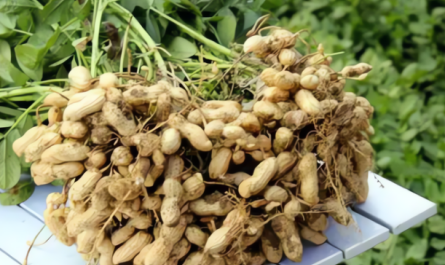
IV. Flowering and Peg-forming Stage
The flowering and pegging stage, also known as the pegging stage, is from the beginning of flowering until 50% of the plants show chicken-head-shaped young fruits.
1. Field Management Indicators
Promote early and abundant flowering, aiming for more branches and denser nodes to lay the foundation for a high yield.
2. Main Cultivation Techniques
(1) Fertilizer Management: The absorption of N, P, and K is approximately 23-33% of the total absorption. At this stage, a large number of root nodules form, providing peanuts with increasing amounts of nitrogen. It is recommended to apply potassium, calcium, and boron fertilizers foliar at this time to supplement the nutritional needs of the peanut.
(2) Pest and Disease Management: Pest and disease management should continue to focus on preventing leaf spot disease, while also preventing peanut rust. Spraying per acre with flusilazole or imazalil manganese salt, combined with spraying Sodium Nitrophenolates or DA-6, and then spraying again every 7-10 days will yield better results. Simultaneously, due to rising temperatures, attention should be paid to preventing the occurrence of peanut dwarfing virus disease. Aphid control is crucial during planting. If viral disease damage is found, in conjunction with aphid control, spraying per acre with antiviral agents such as methylphenidate can effectively prevent and reduce viral disease damage.
V. Pod Formation Stage
The pod formation stage is from the appearance of young pods to 50% of the plants having full pods.
1. Field Management Indicators
Control excessive growth to prevent lodging, prevent leaf diseases, foliar spray boron to increase fruit weight, and improve fruit set rate and fullness rate.
2. Main Cultivation Techniques
(1) Fertilizer Management: Nitrogen and phosphorus absorption during this period accounts for about 50% of the total absorption during the entire growth period. Ensuring calcium supply during this period can improve the fullness rate; ensuring phosphorus supply can improve seed oil content. Foliar spraying of calcium nitrate and boric acid, combined with the use of amino acid esters, can promote root and fruit expansion, increase leaf photosynthetic efficiency, and at the same time, it is necessary to select and use regulators such as calcium cyclamate and paclobutrazol to control excessive growth.
(2) Pest and Disease Management: The main diseases to be controlled during the pod-setting period are leaf spot and rust. At this time, attention should be paid to continuing to spray flusilazole or imazalil manganese salt per acre in conjunction with foliar fertilizer. In addition, the peanut pod-setting period after wheat stubble coincides with the high temperature and rainy season, and peanut bacterial wilt is very likely to occur after heavy rain. At this time, attention should be paid to spraying agricultural streptomycin and other agents to prevent the occurrence of bacterial diseases. In areas with severe underground pest infestations, 40% phoxim EC or 40% methyl isofenphos EC can be mixed with fine soil to create toxic soil per mu (approximately 0.067 hectares). This toxic soil should be evenly spread on the ground before plowing and then incorporated into the soil during plowing. Microencapsulated formulations of phoxim or methyl isofenphos are even more effective.
VI. Fruit Maturity Stage
The fruit maturity stage is defined as the period from when 50% of the plants have fruit to when most pods are fully mature.
1. Field Management Indicators
Protect functional leaves, prevent lodging, prevent premature aging, spray with phosphorus and potassium fertilizers to promote the transfer of nutrients from stems and leaves to pods, increase pod content, and increase fruit weight.
2. Main Cultivation Techniques
(1) Fertilizer Management: Water consumption and fertilizer requirements decrease during the second fruit maturity stage. If drought occurs and there is no capacity to compensate, the fruit maturity stage will be shortened, leading to reduced yield. At this time, attention should be paid to combining foliar spraying of phosphorus and potassium fertilizers with the application of regulators such as Sodium Nitrophenolates, DA-6, and 6-BA to improve leaf function, promote the accelerated conversion of carbohydrates into fat, and prevent physiological leaf drop.
(2) Pest and disease management: The pod-filling maturity period is the late stage of peanut growth. At this time, the number of leaf spot and rust pathogens has accumulated to a large value. The control agents should focus on reducing the number of spores. Spraying mancozeb or imazalil manganese salt per mu, combined with the application of growth regulators such as Sodium Nitrophenolates or DA-6, will have a better effect.
VII. Timely harvesting and storage in shells
1. Timely harvesting
(1) Based on plant growth;
(2) Based on pod filling rate: 80%;
(3) Based on temperature changes or the requirements for subsequent peanut planting.
2. Storage in shells
The safe storage moisture content of pods is 10%.
I. Pre-sowing Preparation Period
1. Field Management Indicators: Site Selection, Fertilization, Seed Selection, Seed Treatment
(1) Site Selection
Avoid continuous cropping. After the previous crop is harvested, promptly shallowly cultivate to remove stubble, generally 10-17 cm, harrow and level the soil for planting. After emergence, promptly cultivate and apply quick-acting fertilizer. For intercropping peanuts in wheat ridges, deep plow and harrow before wheat sowing, to a depth of over 26 cm, and apply organic fertilizer. For ridge planting, the ridge height is generally 17 cm, the ridge spacing is 33-40 cm, and one row is sown per ridge. Sow immediately after ridge planting to prevent moisture loss from affecting seedling emergence.
(2) Apply sufficient base fertilizer.
The amount of base fertilizer applied to peanuts should generally account for 70%-80% of the total fertilizer application, mainly consisting of well-rotted organic fertilizer, supplemented with inorganic fertilizers such as superphosphate, potassium chloride, and lime. The nitrogen, phosphorus, and potassium in the base fertilizer can be applied in a ratio of 1:1:2.
(3) Select seeds carefully.
Before sowing, carefully select seeds, removing diseased, rotten, and other substandard seeds, and sun-dry them for 1-2 days on a sunny day.
(4) Seed coating and seed treatment.
The main targets for prevention and control are root and stem base diseases, such as crown rot, root rot, stem rot, and cyst nematode disease. Pay attention to the prevention and control of underground pests such as thread crickets, grubs, and wireworms. A mixture of fungicides, insecticides, and plant growth regulators can be used for seed treatment or seed coating.
2. Chemical weed control
Spraying pre-emergence herbicides on the soil surface after peanut sowing but before seedling emergence can effectively control weeds.
II. Seed Germination and Seedling Stage
The seed germination and seedling stage is defined as the period from sowing to when 50% of the seedlings emerge and develop their first true leaf.
1. Field Management Indicators
Cultivation requires full and uniform seedling emergence from sowing.
2. Main Cultivation Techniques
Timely thinning or removing seedlings from the mulch film, checking for seedlings and replanting, preventing frost damage, and applying growth regulators such as polyphenols, DA-6 amino acid ester, and S-inducer per acre, depending on weather conditions, to enhance stress resistance and cultivate strong seedlings.
III. Seedling Stage
The seedling stage is defined as the period from emergence to when 50% of the plants open their first flower.
1. Field Management Indicators
Maintain full seedling emergence, promote root growth and strong seedlings, encourage early and abundant flowering, and strive for dense branching and internode growth to lay the foundation for a high yield.
2. Main Cultivation Techniques
(1) Fertilization: Seedlings absorb little nitrogen and phosphorus, but during the rosette stage, plant growth accelerates significantly, while the nutrients from the seeds are largely depleted, and root nodules have not yet formed. Therefore, appropriate application of N and P during the seedling stage can promote root nodule development, facilitate nitrogen fixation by rhizobia, significantly promote flower bud differentiation, and increase the number of effective flowers. It is recommended that at this time, in accordance with the peanut's nutrient requirements, foliar spraying of calcium nitrate and potassium dinitrogen phosphate be applied, along with the use of one or two regulators such as Sodium Nitrophenolates, DA-6, Brassinolide, Triacontanol, Chlormequat Chloride, and Mepiquat chloride to promote root and leaf growth and cultivate strong seedlings.
(2) Pest and Disease Management: The main disease to be controlled during this period is leaf spot. Spraying per acre with fungicides such as mancozeb or imazalil manganese salt, combined with regulators such as sodium nitrophenolate, can improve efficacy and restore seedling vigor. The main pest to control is aphids, which can be controlled by spraying with imidacloprid, acetamiprid, etc.
IV. Flowering and Peg-forming Stage
The flowering and pegging stage, also known as the pegging stage, is from the beginning of flowering until 50% of the plants show chicken-head-shaped young fruits.
1. Field Management Indicators
Promote early and abundant flowering, aiming for more branches and denser nodes to lay the foundation for a high yield.
2. Main Cultivation Techniques
(1) Fertilizer Management: The absorption of N, P, and K is approximately 23-33% of the total absorption. At this stage, a large number of root nodules form, providing peanuts with increasing amounts of nitrogen. It is recommended to apply potassium, calcium, and boron fertilizers foliar at this time to supplement the nutritional needs of the peanut.
(2) Pest and Disease Management: Pest and disease management should continue to focus on preventing leaf spot disease, while also preventing peanut rust. Spraying per acre with flusilazole or imazalil manganese salt, combined with spraying Sodium Nitrophenolates or DA-6, and then spraying again every 7-10 days will yield better results. Simultaneously, due to rising temperatures, attention should be paid to preventing the occurrence of peanut dwarfing virus disease. Aphid control is crucial during planting. If viral disease damage is found, in conjunction with aphid control, spraying per acre with antiviral agents such as methylphenidate can effectively prevent and reduce viral disease damage.
V. Pod Formation Stage
The pod formation stage is from the appearance of young pods to 50% of the plants having full pods.
1. Field Management Indicators
Control excessive growth to prevent lodging, prevent leaf diseases, foliar spray boron to increase fruit weight, and improve fruit set rate and fullness rate.
2. Main Cultivation Techniques
(1) Fertilizer Management: Nitrogen and phosphorus absorption during this period accounts for about 50% of the total absorption during the entire growth period. Ensuring calcium supply during this period can improve the fullness rate; ensuring phosphorus supply can improve seed oil content. Foliar spraying of calcium nitrate and boric acid, combined with the use of amino acid esters, can promote root and fruit expansion, increase leaf photosynthetic efficiency, and at the same time, it is necessary to select and use regulators such as calcium cyclamate and paclobutrazol to control excessive growth.
(2) Pest and Disease Management: The main diseases to be controlled during the pod-setting period are leaf spot and rust. At this time, attention should be paid to continuing to spray flusilazole or imazalil manganese salt per acre in conjunction with foliar fertilizer. In addition, the peanut pod-setting period after wheat stubble coincides with the high temperature and rainy season, and peanut bacterial wilt is very likely to occur after heavy rain. At this time, attention should be paid to spraying agricultural streptomycin and other agents to prevent the occurrence of bacterial diseases. In areas with severe underground pest infestations, 40% phoxim EC or 40% methyl isofenphos EC can be mixed with fine soil to create toxic soil per mu (approximately 0.067 hectares). This toxic soil should be evenly spread on the ground before plowing and then incorporated into the soil during plowing. Microencapsulated formulations of phoxim or methyl isofenphos are even more effective.
VI. Fruit Maturity Stage
The fruit maturity stage is defined as the period from when 50% of the plants have fruit to when most pods are fully mature.
1. Field Management Indicators
Protect functional leaves, prevent lodging, prevent premature aging, spray with phosphorus and potassium fertilizers to promote the transfer of nutrients from stems and leaves to pods, increase pod content, and increase fruit weight.
2. Main Cultivation Techniques
(1) Fertilizer Management: Water consumption and fertilizer requirements decrease during the second fruit maturity stage. If drought occurs and there is no capacity to compensate, the fruit maturity stage will be shortened, leading to reduced yield. At this time, attention should be paid to combining foliar spraying of phosphorus and potassium fertilizers with the application of regulators such as Sodium Nitrophenolates, DA-6, and 6-BA to improve leaf function, promote the accelerated conversion of carbohydrates into fat, and prevent physiological leaf drop.
(2) Pest and disease management: The pod-filling maturity period is the late stage of peanut growth. At this time, the number of leaf spot and rust pathogens has accumulated to a large value. The control agents should focus on reducing the number of spores. Spraying mancozeb or imazalil manganese salt per mu, combined with the application of growth regulators such as Sodium Nitrophenolates or DA-6, will have a better effect.
VII. Timely harvesting and storage in shells
1. Timely harvesting
(1) Based on plant growth;
(2) Based on pod filling rate: 80%;
(3) Based on temperature changes or the requirements for subsequent peanut planting.
2. Storage in shells
The safe storage moisture content of pods is 10%.
RECENT POSTS
-
What is the purpose of COA (Certificate of Analysis) verification for plant growth regulators?
-
How do you evaluate the effectiveness of plant growth regulators?
-
Preparation and Application Protocol for Gibberellic Acid GA3 90% TC to Break Dormancy and Promote Rooting and Germination
-
Precise Dilution and Application Guidelines for Diethyl Aminoethyl Hexanoate DA-6 98% TC
Featured News