

How to correctly use plant growth regulators in vegetable production?
Currently, the main plant growth regulators used in vegetable production include 1-Naphthyl Acetic Acid (NAA), Indole Acetic Acid (IAA), Gibberellic Acid (GA3), Chlormequat Chloride (CCC), methyl naphthaleneacetate, quinacrine, Ethephon, Paclobutrazol (Paclo), and B9. The application effects and usage methods of various plant growth regulators are briefly described below:
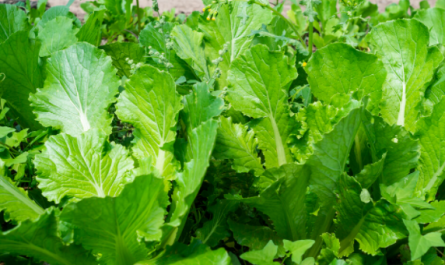
1. For promoting growth and improving vegetable quality, the following plant hormones can be selected:
Spraying leafy vegetables with Gibberellic Acid is most effective. For example, spraying celery with 100 ml/kg of Gibberellic Acid twice, 20 and 30 days before harvest, can increase yield by 30%–50%.
2. plant Hormones to promote fruit set and prevent flower and fruit drop:
In early spring or late autumn, tomatoes can be dipped in a 10-25 ml/kg solution of 2,4-D when they first bloom. This not only prevents flower and fruit drop but also advances ripening by 10-15 days and increases the sugar content of the fruit.
3. plant Hormones to break dormancy and promote sprouting:
When using spring-harvested potato tubers as seed potatoes for autumn planting, a dormancy period is necessary. Soaking the tubers in 0.5 ml/kg Gibberellic Acid for 15-20 minutes can break dormancy, promote early sprouting, and reduce seed potato rot.
4. Plant hormones to promote rooting of cuttings:
For planting and harvesting Chinese cabbage and kale, leaf bud cuttings can be used to increase the propagation rate. The method involves quickly dipping leaf buds in a 1000-2000 ml/kg Naphthyl Acetic Acid solution to encourage rooting and the formation of independent plants. When propagating tomatoes by cuttings, dipping the base of the cuttings in a solution of 50 ml/kg Naphthyl Acetic Acid or 100 ml/kg Indole Acetic Acid for 10 minutes can shorten the seedling time.
5. Plant hormones that can be used to inhibit sprouting and extend the storage period of vegetables:
Garlic and onions can be sprayed with 2500 ml/kg of chloroquine 15 days before harvest to prevent sprouting for up to 8 months; radishes and carrots can be sprayed with 100 ml/kg of 2,4-D 21 days before harvest to prevent sprouting and extend the storage period; potatoes can be effectively inhibited from sprouting by spraying with methyl naphthaleneacetate during storage.
6. Plant hormones to prevent excessive vegetative growth and cultivate strong seedlings:
For early spring vegetable seedlings, applying 250-500 ml/kg of Chlormequat Chloride to the soil can inhibit excessive seedling growth. For early spring solanaceous vegetables, foliar spraying with 1000-2000 ml/kg of B9 can dwarf and strengthen seedlings, preventing excessive growth. For potatoes at the initial flowering stage, spraying the plants with 250 ml/kg of Chlormequat Chloride can promote lateral growth, prevent excessive vegetative growth, and result in dwarf, compact plants with dark green leaves.
7. Plant hormones to control sex and promote more female ears:
When zucchini seedlings have three true leaves, spraying the plants with 150 ml/kg of Ethephon, followed by a repeat spray every 10-15 days for a total of three applications, can increase the number of female flowers and advance maturity by 7-10 days. When cucumber seedlings have four true leaves, spraying the plants with 150 ml/kg of Ethephon can significantly increase the number of female flowers and improve yield.
8. Plant hormones that can be used to promote fruit ripening:
After tomatoes and peppers are harvested at green ripeness and color change, soaking the fruits in a 2000 ml/kg Ethephon solution for 1 minute, draining them, and placing them at room temperature (20-25℃) will quickly turn them red.
9. Plant hormones that can be used to control bolting and flowering:
Applying 20-50 ml/kg of GA3 to the growing point of carrots, cabbage, and celery can promote bolting and flowering in the same year. Spraying cabbage and celery with 4000-8000 ml/kg of Chlormequat Chloride can inhibit bolting and flowering.
1. For promoting growth and improving vegetable quality, the following plant hormones can be selected:
Spraying leafy vegetables with Gibberellic Acid is most effective. For example, spraying celery with 100 ml/kg of Gibberellic Acid twice, 20 and 30 days before harvest, can increase yield by 30%–50%.
2. plant Hormones to promote fruit set and prevent flower and fruit drop:
In early spring or late autumn, tomatoes can be dipped in a 10-25 ml/kg solution of 2,4-D when they first bloom. This not only prevents flower and fruit drop but also advances ripening by 10-15 days and increases the sugar content of the fruit.
3. plant Hormones to break dormancy and promote sprouting:
When using spring-harvested potato tubers as seed potatoes for autumn planting, a dormancy period is necessary. Soaking the tubers in 0.5 ml/kg Gibberellic Acid for 15-20 minutes can break dormancy, promote early sprouting, and reduce seed potato rot.
4. Plant hormones to promote rooting of cuttings:
For planting and harvesting Chinese cabbage and kale, leaf bud cuttings can be used to increase the propagation rate. The method involves quickly dipping leaf buds in a 1000-2000 ml/kg Naphthyl Acetic Acid solution to encourage rooting and the formation of independent plants. When propagating tomatoes by cuttings, dipping the base of the cuttings in a solution of 50 ml/kg Naphthyl Acetic Acid or 100 ml/kg Indole Acetic Acid for 10 minutes can shorten the seedling time.
5. Plant hormones that can be used to inhibit sprouting and extend the storage period of vegetables:
Garlic and onions can be sprayed with 2500 ml/kg of chloroquine 15 days before harvest to prevent sprouting for up to 8 months; radishes and carrots can be sprayed with 100 ml/kg of 2,4-D 21 days before harvest to prevent sprouting and extend the storage period; potatoes can be effectively inhibited from sprouting by spraying with methyl naphthaleneacetate during storage.
6. Plant hormones to prevent excessive vegetative growth and cultivate strong seedlings:
For early spring vegetable seedlings, applying 250-500 ml/kg of Chlormequat Chloride to the soil can inhibit excessive seedling growth. For early spring solanaceous vegetables, foliar spraying with 1000-2000 ml/kg of B9 can dwarf and strengthen seedlings, preventing excessive growth. For potatoes at the initial flowering stage, spraying the plants with 250 ml/kg of Chlormequat Chloride can promote lateral growth, prevent excessive vegetative growth, and result in dwarf, compact plants with dark green leaves.
7. Plant hormones to control sex and promote more female ears:
When zucchini seedlings have three true leaves, spraying the plants with 150 ml/kg of Ethephon, followed by a repeat spray every 10-15 days for a total of three applications, can increase the number of female flowers and advance maturity by 7-10 days. When cucumber seedlings have four true leaves, spraying the plants with 150 ml/kg of Ethephon can significantly increase the number of female flowers and improve yield.
8. Plant hormones that can be used to promote fruit ripening:
After tomatoes and peppers are harvested at green ripeness and color change, soaking the fruits in a 2000 ml/kg Ethephon solution for 1 minute, draining them, and placing them at room temperature (20-25℃) will quickly turn them red.
9. Plant hormones that can be used to control bolting and flowering:
Applying 20-50 ml/kg of GA3 to the growing point of carrots, cabbage, and celery can promote bolting and flowering in the same year. Spraying cabbage and celery with 4000-8000 ml/kg of Chlormequat Chloride can inhibit bolting and flowering.
RECENT POSTS
Featured News