

Using Plant Growth Regulators to Improve Celery Yield and Quality
Celery is currently in high demand, leading to a surge in celery cultivation. So, how can celery farmers improve both yield and quality?
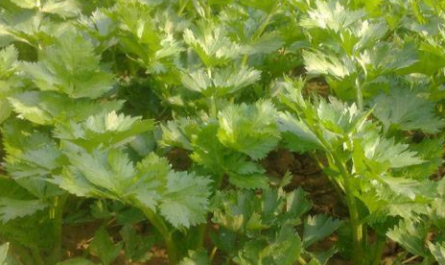
These 5 plant growth regulators can enhance celery yield and quality:
1. Triacontanol:
After transplanting, apply a 0.5 mg/L Triacontanol solution at a rate of 50 liters per acre, spraying once every 10 days for a total of 3-4 applications. Stop spraying two weeks before harvest. This method promotes plant growth, increases yield, and improves quality. Applying Triacontanol 15-20 days before harvest is crucial for increased yield. When applying Triacontanol in winter, take measures to maintain warmth to maximize the yield-enhancing effect.
2. Brassinolide (BRs)
During the celery's tillering stage, foliar spraying with a 0.01 mg/L solution of brassinolide can increase celery plant height by 5%–12%, weight by 8%–15%, and chlorophyll content by 0.55%–2.81%, resulting in dark green, glossy leaves. A second foliar spray 10 days before harvest can further enhance celery's physiological activity and resistance to adverse conditions, making it more suitable for storage and transportation.
3. Gibberellic Acid (GA3):
Two to three weeks before celery harvest, spray with a 20-50 mg/L Gibberellic Acid solution 1-2 times, using 40-50 liters of solution per acre each time. This method enhances celery's cold resistance, lightens leaf color, accelerates growth, enlarges stems and leaves, lengthens petioles of edible parts, reduces cellulose, and increases yield by about 20%, achieving the goal of earlier harvest. Note that the concentration of Gibberellic Acid should not be too high when spraying celery to avoid making the plants too thin and elongated. Within 1-2 days after spraying Gibberellic Acid, apply fertilizer and harvest at the appropriate time to prevent plant aging. Additionally, soaking seeds in a solution of 5 mg/L Gibberellic Acid (20 ml per vial, diluted in 4 kg of water) for 12 hours can improve germination rate.
4. Chlormequat Chloride (CCC):
Spraying the growing point with a 4000-8000 mg/L Chlormequat Chloride solution can inhibit bolting and flowering, improving quality.
5. Paclobutrazol (Paclo):
Starting from 4-5 true leaves, spray the leaves with a 200-500 mg/kg solution every 10-15 days. This method can promote the growth of roots, stems, and leaves, improve photosynthesis, increase disease resistance, and increase yield by 25%-40%.
These 5 plant growth regulators can enhance celery yield and quality:
1. Triacontanol:
After transplanting, apply a 0.5 mg/L Triacontanol solution at a rate of 50 liters per acre, spraying once every 10 days for a total of 3-4 applications. Stop spraying two weeks before harvest. This method promotes plant growth, increases yield, and improves quality. Applying Triacontanol 15-20 days before harvest is crucial for increased yield. When applying Triacontanol in winter, take measures to maintain warmth to maximize the yield-enhancing effect.
2. Brassinolide (BRs)
During the celery's tillering stage, foliar spraying with a 0.01 mg/L solution of brassinolide can increase celery plant height by 5%–12%, weight by 8%–15%, and chlorophyll content by 0.55%–2.81%, resulting in dark green, glossy leaves. A second foliar spray 10 days before harvest can further enhance celery's physiological activity and resistance to adverse conditions, making it more suitable for storage and transportation.
3. Gibberellic Acid (GA3):
Two to three weeks before celery harvest, spray with a 20-50 mg/L Gibberellic Acid solution 1-2 times, using 40-50 liters of solution per acre each time. This method enhances celery's cold resistance, lightens leaf color, accelerates growth, enlarges stems and leaves, lengthens petioles of edible parts, reduces cellulose, and increases yield by about 20%, achieving the goal of earlier harvest. Note that the concentration of Gibberellic Acid should not be too high when spraying celery to avoid making the plants too thin and elongated. Within 1-2 days after spraying Gibberellic Acid, apply fertilizer and harvest at the appropriate time to prevent plant aging. Additionally, soaking seeds in a solution of 5 mg/L Gibberellic Acid (20 ml per vial, diluted in 4 kg of water) for 12 hours can improve germination rate.
4. Chlormequat Chloride (CCC):
Spraying the growing point with a 4000-8000 mg/L Chlormequat Chloride solution can inhibit bolting and flowering, improving quality.
5. Paclobutrazol (Paclo):
Starting from 4-5 true leaves, spray the leaves with a 200-500 mg/kg solution every 10-15 days. This method can promote the growth of roots, stems, and leaves, improve photosynthesis, increase disease resistance, and increase yield by 25%-40%.
RECENT POSTS
Featured News