

Summer Open-Field Vegetable Production Management
I. Open-Field Vegetable Production Management
Currently, the main vegetables growing in open fields include fruit-bearing vegetables—such as cucumbers, tomatoes, eggplants, peppers, cowpeas, and kidney beans—and cruciferous vegetables, such as cabbage and cauliflower.
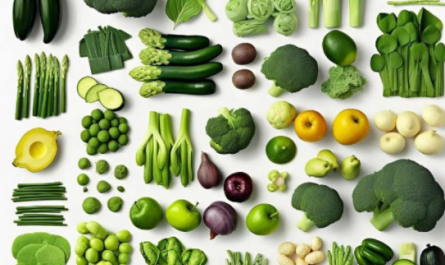
(A) Fruit-Bearing Vegetables
1. Plant Management. For crops requiring trellising (such as cucurbits, solanaceous vegetables, and legumes), install supports early. Perform field tasks such as pruning, removing lateral shoots, and topping in a timely manner to improve ventilation and light penetration. Keep the vegetable garden clean, reinforce trellises, remove diseased fruit and plant debris, and hill up soil around the base of plants to enhance their resistance to lodging. In areas with high light intensity, take measures to prevent sunscald on tomatoes and peppers; for instance, retain some leaves above the fruit to shield them from direct sunlight.
2. Water and Fertilizer Management. For fruit-bearing vegetables like tomatoes and cucumbers, moderately restrict water and perform shallow cultivation during the early flowering stage to encourage root development and fruit setting. Once the crops enter the fruit development stage, follow the principle of "frequent, light applications" for water and fertilizer; integrated water-fertilizer systems are recommended. Apply a balanced mix of nitrogen, phosphorus, and potassium fertilizers. During critical periods of yield formation, apply foliar fertilizers based on plant growth status; options include a mixture of 0.3%–0.5% potassium dihydrogen phosphate and 0.3% urea, or amino acid-based foliar fertilizers. Spray every 7–10 days for a total of 2–3 applications to prevent premature plant senescence. During periods of high summer temperatures, irrigate before 10:00 AM or after 4:00 PM. In the event of sustained high temperatures and drought, irrigate promptly to maintain soil moisture; following heavy rainfall, clear drainage ditches immediately to minimize the duration of waterlogging.
3. Pest and Disease Control. Summer vegetables are susceptible to diseases such as Phytophthora blight, anthracnose, root rot, wilt, downy mildew, and powdery mildew, as well as pests such as tobacco whiteflies, bean pod borers, diamondback moths, beet armyworms, and peach aphids. During periods of high temperature and humidity, apply broad-spectrum fungicides—such as carbendazim or thiophanate-methyl—one or two times to prevent disease. Promptly clear weeds from the vegetable fields and surrounding areas to eliminate hosts for pests and diseases, thereby reducing the incidence of disease.
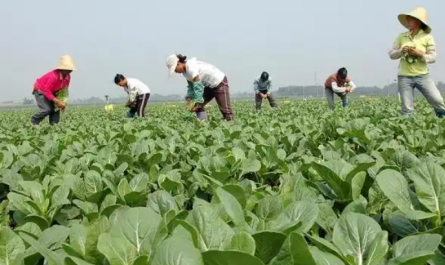
2) Leafy Vegetables
For leafy vegetables characterized by intensive cropping cycles, short growing periods, and direct seeding, the following measures should be prioritized: First, select plots that are elevated and dry, possess fertile soil, and offer convenient irrigation and good drainage. Second, prioritize varieties that are tolerant to high temperatures, drought, and waterlogging. Third, employ raised-bed cultivation to improve field ventilation and light penetration while reducing water accumulation. Fourth, after sowing, use lightweight covering materials—such as black shade nets (with approximately 60% shading) or thin non-woven fabrics—as a floating cover to lower soil temperature, retain moisture, and ensure uniform seedling emergence; for fast-growing leafy greens like baby bok choy and choy sum, a 40-mesh insect-proof net can be used as a floating cover throughout the entire growth period to reduce pesticide use and ensure product safety.
For cruciferous crops with longer growing periods—such as cabbage, cauliflower, and Napa cabbage—manage water and fertilizer by initially restricting inputs and later boosting them; employ water-saving techniques such as sprinkler irrigation, alternate-furrow irrigation, or furrow irrigation beneath plastic mulch. Fertilization should focus on nitrogen, applying small amounts frequently. Implement "green" pest and disease control measures, such as installing insecticidal lamps or blacklight traps and using pheromone traps or mating disruption techniques; control diseases promptly, rotate between two or three different pesticides, and strictly observe safety intervals before harvest. For vegetables requiring multiple harvests, apply pesticides only after harvesting to ensure safety. Closely monitor weather forecasts and rush to harvest vegetables that meet maturity standards before severe weather events—such as typhoons, hailstorms, or heavy rainfall—occur, thereby minimizing potential losses.
Currently, the main vegetables growing in open fields include fruit-bearing vegetables—such as cucumbers, tomatoes, eggplants, peppers, cowpeas, and kidney beans—and cruciferous vegetables, such as cabbage and cauliflower.
(A) Fruit-Bearing Vegetables
1. Plant Management. For crops requiring trellising (such as cucurbits, solanaceous vegetables, and legumes), install supports early. Perform field tasks such as pruning, removing lateral shoots, and topping in a timely manner to improve ventilation and light penetration. Keep the vegetable garden clean, reinforce trellises, remove diseased fruit and plant debris, and hill up soil around the base of plants to enhance their resistance to lodging. In areas with high light intensity, take measures to prevent sunscald on tomatoes and peppers; for instance, retain some leaves above the fruit to shield them from direct sunlight.
2. Water and Fertilizer Management. For fruit-bearing vegetables like tomatoes and cucumbers, moderately restrict water and perform shallow cultivation during the early flowering stage to encourage root development and fruit setting. Once the crops enter the fruit development stage, follow the principle of "frequent, light applications" for water and fertilizer; integrated water-fertilizer systems are recommended. Apply a balanced mix of nitrogen, phosphorus, and potassium fertilizers. During critical periods of yield formation, apply foliar fertilizers based on plant growth status; options include a mixture of 0.3%–0.5% potassium dihydrogen phosphate and 0.3% urea, or amino acid-based foliar fertilizers. Spray every 7–10 days for a total of 2–3 applications to prevent premature plant senescence. During periods of high summer temperatures, irrigate before 10:00 AM or after 4:00 PM. In the event of sustained high temperatures and drought, irrigate promptly to maintain soil moisture; following heavy rainfall, clear drainage ditches immediately to minimize the duration of waterlogging.
3. Pest and Disease Control. Summer vegetables are susceptible to diseases such as Phytophthora blight, anthracnose, root rot, wilt, downy mildew, and powdery mildew, as well as pests such as tobacco whiteflies, bean pod borers, diamondback moths, beet armyworms, and peach aphids. During periods of high temperature and humidity, apply broad-spectrum fungicides—such as carbendazim or thiophanate-methyl—one or two times to prevent disease. Promptly clear weeds from the vegetable fields and surrounding areas to eliminate hosts for pests and diseases, thereby reducing the incidence of disease.
2) Leafy Vegetables
For leafy vegetables characterized by intensive cropping cycles, short growing periods, and direct seeding, the following measures should be prioritized: First, select plots that are elevated and dry, possess fertile soil, and offer convenient irrigation and good drainage. Second, prioritize varieties that are tolerant to high temperatures, drought, and waterlogging. Third, employ raised-bed cultivation to improve field ventilation and light penetration while reducing water accumulation. Fourth, after sowing, use lightweight covering materials—such as black shade nets (with approximately 60% shading) or thin non-woven fabrics—as a floating cover to lower soil temperature, retain moisture, and ensure uniform seedling emergence; for fast-growing leafy greens like baby bok choy and choy sum, a 40-mesh insect-proof net can be used as a floating cover throughout the entire growth period to reduce pesticide use and ensure product safety.
For cruciferous crops with longer growing periods—such as cabbage, cauliflower, and Napa cabbage—manage water and fertilizer by initially restricting inputs and later boosting them; employ water-saving techniques such as sprinkler irrigation, alternate-furrow irrigation, or furrow irrigation beneath plastic mulch. Fertilization should focus on nitrogen, applying small amounts frequently. Implement "green" pest and disease control measures, such as installing insecticidal lamps or blacklight traps and using pheromone traps or mating disruption techniques; control diseases promptly, rotate between two or three different pesticides, and strictly observe safety intervals before harvest. For vegetables requiring multiple harvests, apply pesticides only after harvesting to ensure safety. Closely monitor weather forecasts and rush to harvest vegetables that meet maturity standards before severe weather events—such as typhoons, hailstorms, or heavy rainfall—occur, thereby minimizing potential losses.
RECENT POSTS
Featured News