

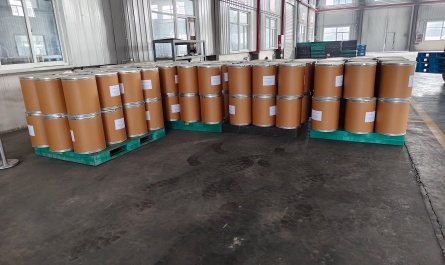
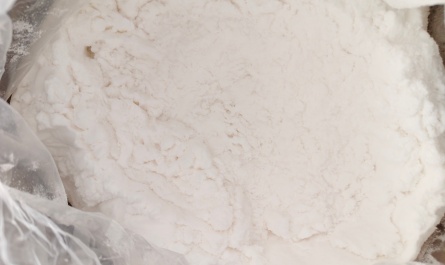
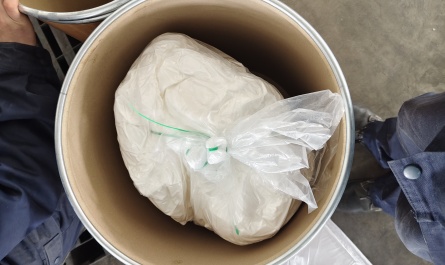
3000KG Mepiquat chloride ready to shipping
Mepiquat Chloride(plant growth regulator)
CAS NO.: 24307-26-4
Formulation:98% TC, 25%SL
Mepiquat chloride is a plant growth regulator primarily used to inhibit excessive vegetative growth in crops, promote reproductive growth, and enhance yields. It functions by regulating the hormonal balance within the plant, thereby controlling the overgrowth of stems and foliage, and boosting photosynthetic efficiency. This enables crops to achieve higher yields while maintaining an optimal plant architecture; it is particularly effective for crops prone to excessive elongation, such as cotton and wheat.
Mepiquat chloride exerts its effects by inhibiting the synthesis of gibberellins. Gibberellins are key hormones that promote cell elongation; an excess of these hormones can lead to etiolation—or "legginess"—in plants. Mepiquat chloride blocks the gibberellin biosynthesis pathway, thereby slowing down the longitudinal elongation of cells. This results in shortened internodes and sturdier stems, which improves the overall plant architecture, minimizes the wasteful consumption of nutrients, and redirects energy resources toward the development of fruits or grains.
CAS NO.: 24307-26-4
Formulation:98% TC, 25%SL
Mepiquat chloride is a plant growth regulator primarily used to inhibit excessive vegetative growth in crops, promote reproductive growth, and enhance yields. It functions by regulating the hormonal balance within the plant, thereby controlling the overgrowth of stems and foliage, and boosting photosynthetic efficiency. This enables crops to achieve higher yields while maintaining an optimal plant architecture; it is particularly effective for crops prone to excessive elongation, such as cotton and wheat.
Mepiquat chloride exerts its effects by inhibiting the synthesis of gibberellins. Gibberellins are key hormones that promote cell elongation; an excess of these hormones can lead to etiolation—or "legginess"—in plants. Mepiquat chloride blocks the gibberellin biosynthesis pathway, thereby slowing down the longitudinal elongation of cells. This results in shortened internodes and sturdier stems, which improves the overall plant architecture, minimizes the wasteful consumption of nutrients, and redirects energy resources toward the development of fruits or grains.
RECENT POSTS
-
13th National Plant Growth Regulator Industry Conference Held in Hebi Henan
-
Key Innovation Directions for Plant Hormone Technologies
-
Latest Growth Forecast for the Southeast Asian Plant Growth Regulator Market
-
Experiments have demonstrated excellent results using the plant hormone "Pineapple King" in Vietnamese pineapple cultivation
Featured News