

Focus on Key Factors During Fruit Coloration: Using Plant Growth Regulators Scientifically for High Yields!
External color is a crucial indicator of fruit quality and a primary selling point for commercial fruit; consequently, it is highly valued by growers, traders, and consumers alike.
The type, content, and distribution of anthocyanins determine fruit color. Anthocyanin synthesis in the fruit skin increases as chlorophyll degrades, and varieties with deeper red coloration typically possess higher anthocyanin levels. Anthocyanins also influence internal fruit quality; a highly significant linear correlation exists between anthocyanin formation and the sugar-to-acid ratio.
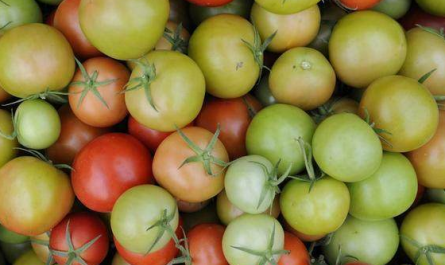
1. Effects of Plant Growth Regulators on Fruit Coloration
Applying plant growth regulators, such as Ethephon, two weeks prior to normal fruit ripening can promote anthocyanin formation.
Sodium Nitrophenolate (Atonik) enhances cytoplasmic streaming and improves nutrient uptake and utilization, thereby promoting coloration; the rate of coloration can increase by approximately 10% compared to untreated controls.
Exogenous Brassinolide affects both the external appearance and internal quality of the fruit. Treatment with exogenous Brassinolide increases soluble sugar content and accelerates fruit ripening and coloration.
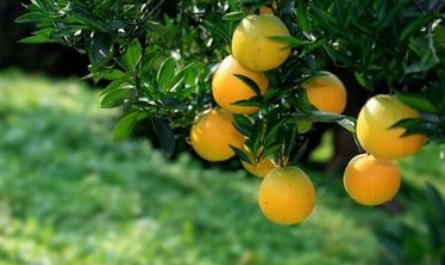
2. Effects of Nutrient Status on Fruit Coloration
High soil nitrogen levels during the fruit coloration stage hinder anthocyanin accumulation and coloration. Nitrogen fertilizer inhibits anthocyanin accumulation; excessive nitrogen—particularly during the late growth stage—triggers vigorous vegetative growth and disrupts nutrient partitioning, thereby impairing coloration. In vitro experiments indicate that nitrogen inhibits the sugar-induced accumulation of anthocyanins.
Potassium promotes coloration, resulting in more vibrant fruit color and improved juice sugar content and acidity. As an activator for various enzymes—particularly those involved in sugar metabolism—potassium facilitates sugar accumulation and transport from leaves and shoots to the fruit, thereby increasing sugar content and enhancing coloration.
Phosphorus promotes fruit coloration; phosphorus deficiency can halt anthocyanin accumulation.
The type, content, and distribution of anthocyanins determine fruit color. Anthocyanin synthesis in the fruit skin increases as chlorophyll degrades, and varieties with deeper red coloration typically possess higher anthocyanin levels. Anthocyanins also influence internal fruit quality; a highly significant linear correlation exists between anthocyanin formation and the sugar-to-acid ratio.
1. Effects of Plant Growth Regulators on Fruit Coloration
Applying plant growth regulators, such as Ethephon, two weeks prior to normal fruit ripening can promote anthocyanin formation.
Sodium Nitrophenolate (Atonik) enhances cytoplasmic streaming and improves nutrient uptake and utilization, thereby promoting coloration; the rate of coloration can increase by approximately 10% compared to untreated controls.
Exogenous Brassinolide affects both the external appearance and internal quality of the fruit. Treatment with exogenous Brassinolide increases soluble sugar content and accelerates fruit ripening and coloration.
2. Effects of Nutrient Status on Fruit Coloration
High soil nitrogen levels during the fruit coloration stage hinder anthocyanin accumulation and coloration. Nitrogen fertilizer inhibits anthocyanin accumulation; excessive nitrogen—particularly during the late growth stage—triggers vigorous vegetative growth and disrupts nutrient partitioning, thereby impairing coloration. In vitro experiments indicate that nitrogen inhibits the sugar-induced accumulation of anthocyanins.
Potassium promotes coloration, resulting in more vibrant fruit color and improved juice sugar content and acidity. As an activator for various enzymes—particularly those involved in sugar metabolism—potassium facilitates sugar accumulation and transport from leaves and shoots to the fruit, thereby increasing sugar content and enhancing coloration.
Phosphorus promotes fruit coloration; phosphorus deficiency can halt anthocyanin accumulation.