

How can fruit color development be enhanced?
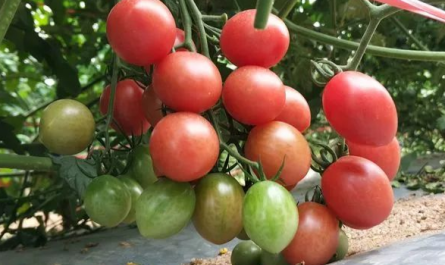
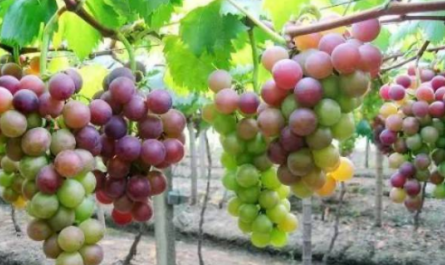
During the process of fruit color change, chlorophyll gradually breaks down and disappears under the action of hydrolases; carotenoid levels increase slightly, while anthocyanins are produced in large quantities and accumulate continuously.
As the fruit ripens, its ground color is primarily determined by carotenoids (along with some residual, incompletely degraded chlorophyll), while anthocyanins determine the surface color. Therefore, the key to enhancing fruit coloration lies in boosting the accumulation of carotenoids and anthocyanins.
I. How can carotenoid accumulation be increased?
Carotenoids are photosynthetic pigments found in chloroplasts (the plant's photosynthetic organs). Increasing chloroplast content and enhancing the photosynthetic performance of leaves and young fruit can boost carotenoid levels in the developing fruit.
II. How can anthocyanin production be promoted?
Anthocyanins are water-soluble pigments. Their synthesis begins once sugar accumulation in the fruit reaches a critical threshold, accompanied by the production of specific endogenous hormones—most notably abscisic acid and ethylene. Additionally, light exposure and the balance of intracellular mineral elements are crucial factors influencing anthocyanin production.
III. What measures can be taken to promote fruit coloration?
1. Improve light conditions
Rational planting density: Maintain appropriate spacing between plants and rows to maximize the leaf surface area exposed to light;
Proper pruning: Establish an open framework of scaffold branches to improve light penetration within the canopy;
Leaf removal, fruit turning, and reflective mulching: Increase the amount of light reaching the fruit and vegetables to promote coloration.
2. Balance nutrition
Rational fertilization: Apply fertilizer scientifically to ensure balanced nutrition. This boosts plant vigor, improves photosynthetic efficiency, and promotes sugar accumulation, thereby meeting the conditions required for anthocyanin synthesis. Generally, low nitrogen and phosphorus levels combined with high potassium levels favor coloration; additionally, foliar supplementation with calcium, magnesium, and rare earth elements can further enhance color development. Supplemental Nutrition: Foliar applications of sucrose, glucose, or galactose can promote fruit coloration. Additionally, foliar sprays containing substances such as chitin, chitosan, chitooligosaccharides, anthocyanins, carotenoids, photosynthetic bacteria, methyl jasmonate, glutamic acid, molybdenum-amino acid complexes, or tryptophan can stimulate anthocyanin formation and aid in fruit coloration.
3. Regulation via Plant Growth Regulators
Commonly used regulators for promoting fruit coloration and ripening include abscisic acid (ABA), 6-BA, and ethephon, with ethephon being the most frequently used.
As the fruit ripens, its ground color is primarily determined by carotenoids (along with some residual, incompletely degraded chlorophyll), while anthocyanins determine the surface color. Therefore, the key to enhancing fruit coloration lies in boosting the accumulation of carotenoids and anthocyanins.
I. How can carotenoid accumulation be increased?
Carotenoids are photosynthetic pigments found in chloroplasts (the plant's photosynthetic organs). Increasing chloroplast content and enhancing the photosynthetic performance of leaves and young fruit can boost carotenoid levels in the developing fruit.
II. How can anthocyanin production be promoted?
Anthocyanins are water-soluble pigments. Their synthesis begins once sugar accumulation in the fruit reaches a critical threshold, accompanied by the production of specific endogenous hormones—most notably abscisic acid and ethylene. Additionally, light exposure and the balance of intracellular mineral elements are crucial factors influencing anthocyanin production.
III. What measures can be taken to promote fruit coloration?
1. Improve light conditions
Rational planting density: Maintain appropriate spacing between plants and rows to maximize the leaf surface area exposed to light;
Proper pruning: Establish an open framework of scaffold branches to improve light penetration within the canopy;
Leaf removal, fruit turning, and reflective mulching: Increase the amount of light reaching the fruit and vegetables to promote coloration.
2. Balance nutrition
Rational fertilization: Apply fertilizer scientifically to ensure balanced nutrition. This boosts plant vigor, improves photosynthetic efficiency, and promotes sugar accumulation, thereby meeting the conditions required for anthocyanin synthesis. Generally, low nitrogen and phosphorus levels combined with high potassium levels favor coloration; additionally, foliar supplementation with calcium, magnesium, and rare earth elements can further enhance color development. Supplemental Nutrition: Foliar applications of sucrose, glucose, or galactose can promote fruit coloration. Additionally, foliar sprays containing substances such as chitin, chitosan, chitooligosaccharides, anthocyanins, carotenoids, photosynthetic bacteria, methyl jasmonate, glutamic acid, molybdenum-amino acid complexes, or tryptophan can stimulate anthocyanin formation and aid in fruit coloration.
3. Regulation via Plant Growth Regulators
Commonly used regulators for promoting fruit coloration and ripening include abscisic acid (ABA), 6-BA, and ethephon, with ethephon being the most frequently used.