

Key Points for Mixing Foliar Fertilizers with Pesticides!
Foliar fertilizers cannot be mixed with just any pesticide. For instance, it is best to avoid mixing copper-based preparations with inorganic nutrient-type foliar fertilizers; copper-based products rely on copper ions to function, and the various ions present in inorganic nutrient fertilizers can alter the release rate of these copper ions, thereby compromising efficacy.
Regarding the compatibility of foliar fertilizers and pesticides, one must consult the specific product details. Always read the instructions carefully before mixing to ensure a clear understanding. In practice, due to the differing properties of various fertilizers and pesticides, improper mixing can reduce effectiveness or even cause fertilizer or pesticide burn (phytotoxicity).
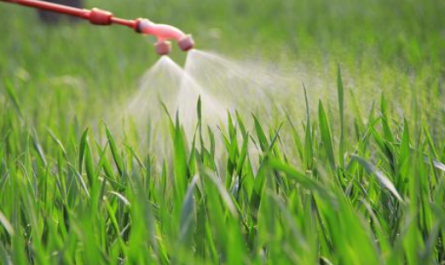
Precautions for Mixing Foliar Fertilizers with Pesticides
I. Ensure the stability of the mixture's physical state
Foliar fertilizers may undergo chemical or physical reactions with pesticides, potentially reducing pesticide efficacy or causing phytotoxicity. If the mixture shows signs of instability or adverse reactions, it should not be used. Even if the mixture appears physically stable, conduct a small-scale test to check for potential phytotoxicity before applying it over a large area.
II. Pay attention to the mixing order
Generally, prepare a solution of one product using the full required amount of water first, then use that solution to dilute the second product. Do not mix the two concentrated products together before adding water, as this can trigger adverse reactions, destroying active ingredients or degrading the mixture's physical properties.
When mixing foliar fertilizers with pesticides, the typical order of addition is: foliar fertilizer, wettable powder, suspension concentrate, aqueous solution, and emulsifiable concentrate. Stir thoroughly after adding each component before proceeding to the next.
III. Pay attention to water quality and quantity
Water significantly influences the mixture; factors such as pH and ion concentration can affect efficacy. Ideally, use neutral water with low ion concentration—such as clean rainwater or river water—when preparing the mixture.
IV. Prepare and use immediately
Even if a mixture shows no adverse reactions immediately after preparation, prolonged storage can lead to slow chemical reactions, resulting in a loss of efficacy or an increased risk of phytotoxicity. For instance, while some pesticide varieties remain relatively stable under mildly alkaline conditions, they should still be prepared immediately before use; leaving them to sit for extended periods can cause them to lose their effectiveness.
**Contraindications for Mixing Foliar Fertilizers with Pesticides**
1. Alkaline pesticides should not be mixed with fertilizers containing ammonium nitrogen or superphosphate; doing so leads to ammonia volatilization and loss, thereby reducing fertilizer efficiency.
2. Arsenic-containing pesticides should not be mixed with potassium or sodium-based fertilizers; such mixtures can generate soluble arsenic, resulting in phytotoxicity.
3. Alkaline fertilizers—such as aqueous ammonia, lime, and plant ash—should not be mixed with pesticides (including insecticides), as this can diminish the pesticide's efficacy.
4. Chemical fertilizers should not be mixed with microbial pesticides.
Because chemical fertilizers are often volatile and corrosive, mixing them with microbial pesticides (such as *Bacillus thuringiensis* strains targeting rice stem borers or cabbage worms) can kill the microorganisms and reduce pest control effectiveness.
Regarding the compatibility of foliar fertilizers and pesticides, one must consult the specific product details. Always read the instructions carefully before mixing to ensure a clear understanding. In practice, due to the differing properties of various fertilizers and pesticides, improper mixing can reduce effectiveness or even cause fertilizer or pesticide burn (phytotoxicity).
Precautions for Mixing Foliar Fertilizers with Pesticides
I. Ensure the stability of the mixture's physical state
Foliar fertilizers may undergo chemical or physical reactions with pesticides, potentially reducing pesticide efficacy or causing phytotoxicity. If the mixture shows signs of instability or adverse reactions, it should not be used. Even if the mixture appears physically stable, conduct a small-scale test to check for potential phytotoxicity before applying it over a large area.
II. Pay attention to the mixing order
Generally, prepare a solution of one product using the full required amount of water first, then use that solution to dilute the second product. Do not mix the two concentrated products together before adding water, as this can trigger adverse reactions, destroying active ingredients or degrading the mixture's physical properties.
When mixing foliar fertilizers with pesticides, the typical order of addition is: foliar fertilizer, wettable powder, suspension concentrate, aqueous solution, and emulsifiable concentrate. Stir thoroughly after adding each component before proceeding to the next.
III. Pay attention to water quality and quantity
Water significantly influences the mixture; factors such as pH and ion concentration can affect efficacy. Ideally, use neutral water with low ion concentration—such as clean rainwater or river water—when preparing the mixture.
IV. Prepare and use immediately
Even if a mixture shows no adverse reactions immediately after preparation, prolonged storage can lead to slow chemical reactions, resulting in a loss of efficacy or an increased risk of phytotoxicity. For instance, while some pesticide varieties remain relatively stable under mildly alkaline conditions, they should still be prepared immediately before use; leaving them to sit for extended periods can cause them to lose their effectiveness.
**Contraindications for Mixing Foliar Fertilizers with Pesticides**
1. Alkaline pesticides should not be mixed with fertilizers containing ammonium nitrogen or superphosphate; doing so leads to ammonia volatilization and loss, thereby reducing fertilizer efficiency.
2. Arsenic-containing pesticides should not be mixed with potassium or sodium-based fertilizers; such mixtures can generate soluble arsenic, resulting in phytotoxicity.
3. Alkaline fertilizers—such as aqueous ammonia, lime, and plant ash—should not be mixed with pesticides (including insecticides), as this can diminish the pesticide's efficacy.
4. Chemical fertilizers should not be mixed with microbial pesticides.
Because chemical fertilizers are often volatile and corrosive, mixing them with microbial pesticides (such as *Bacillus thuringiensis* strains targeting rice stem borers or cabbage worms) can kill the microorganisms and reduce pest control effectiveness.
RECENT POSTS
-
13th National Plant Growth Regulator Industry Conference Held in Hebi Henan
-
Key Innovation Directions for Plant Hormone Technologies
-
Latest Growth Forecast for the Southeast Asian Plant Growth Regulator Market
-
Experiments have demonstrated excellent results using the plant hormone "Pineapple King" in Vietnamese pineapple cultivation
Featured News