

Which plant growth regulators promote green leaf growth?
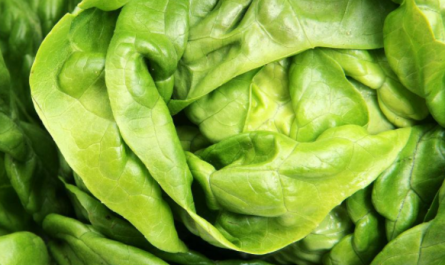
Extensive trials indicate that most plant growth regulators have a noticeable effect on the green foliage of plants. Among them, Mepiquat chloride, Chlormequat chloride, and Paclobutrazol are the most effective.
Sodium nitrophenolates act quickly but lack long-lasting effects. Triacontanol's performance is significantly influenced by purity, formulation, and particle size, often resulting in inconsistent outcomes. Mepiquat chloride requires relatively high dosage rates, leading to higher costs, while Chlormequat chloride and Paclobutrazol raise safety concerns regarding their use. Consequently, in practical applications, sodium nitrophenolates are often combined with trace elements (ideally chelated forms) and vitamins to enhance their persistence and efficacy.
Generally, applying a combination of plant growth regulators and trace elements during the early to mid-stages of crop growth yields significant results. Adding growth retardants—such as Chlormequat chloride or Mepiquat chloride—during the mid-to-late stages tends to produce even better outcomes (though careful attention must be paid to the concentration of the retardants).
RECENT POSTS
-
13th National Plant Growth Regulator Industry Conference Held in Hebi Henan
-
Key Innovation Directions for Plant Hormone Technologies
-
Latest Growth Forecast for the Southeast Asian Plant Growth Regulator Market
-
Experiments have demonstrated excellent results using the plant hormone "Pineapple King" in Vietnamese pineapple cultivation
Featured News