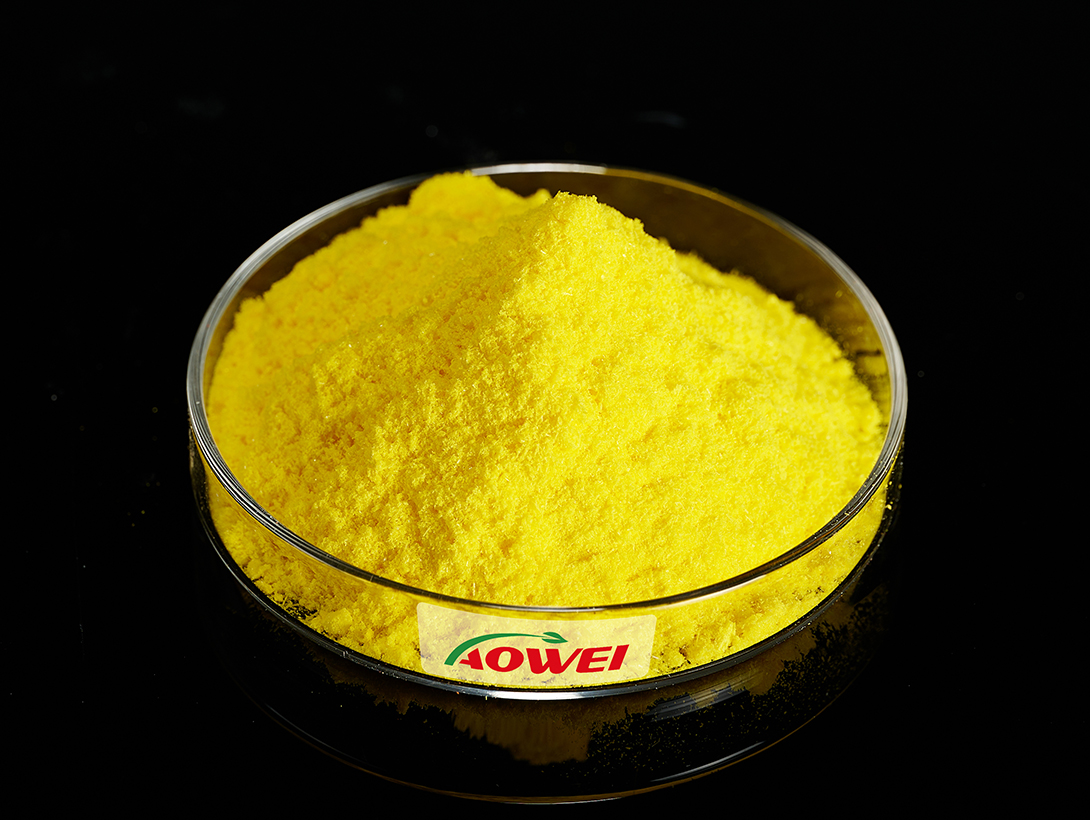
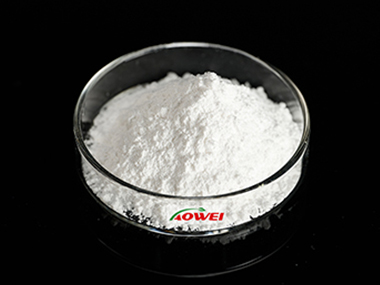
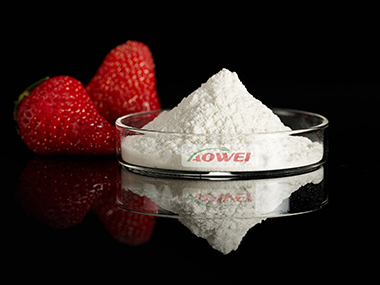
Sodium Para-Nitrophenolate serves as an auxiliary regulator for controlling excessive vegetative growth and preventing shedding in cotton; however, it is more commonly utilized in a compounded form, such as in the product Atonik.
It stimulates cellular activity and enhances photosynthesis; when applied judiciously, it helps harmonize cotton growth and minimizes the shedding of buds and bolls. Nevertheless, it is important to note that its primary effect leans toward "growth promotion"; therefore, controlling excessive vegetative growth should be achieved through a combination of other chemical agents and appropriate management practices.
Specific application methods are as follows:
Mechanism for Controlling Excessive Growth: Sodium Para-Nitrophenolate itself does not directly inhibit growth; rather, it functions by regulating cellular metabolic balance and enhancing the plant's resistance to stress. If cotton plants exhibit excessive vegetative growth, it is recommended to use this product in combination with growth-inhibiting regulators—such as Chlormequat Chloride or Mepiquat Chloride—to achieve a balanced strategy of "one for promotion, one for control."
Effectiveness in Preventing Shedding:Foliar application of Atonik (containing Sodium Para-Nitrophenolate) during the cotton budding and flowering-bolling stages can boost photosynthetic efficiency and improve nutrient transport. This significantly reduces the shedding of buds and bolls caused by nutrient competition or environmental stress.
Recommended Usage: Use a 1.8% Atonik aqueous solution, diluted 2,000 to 3,000 times. Apply 25 to 30 kg of the diluted solution per *mu* (approx. 0.067 hectares) via foliar spray. Apply 2 to 3 times during the budding, early flowering, and flowering-bolling stages to promote robust plant development, increase the number of bolls set, and enhance fiber quality.